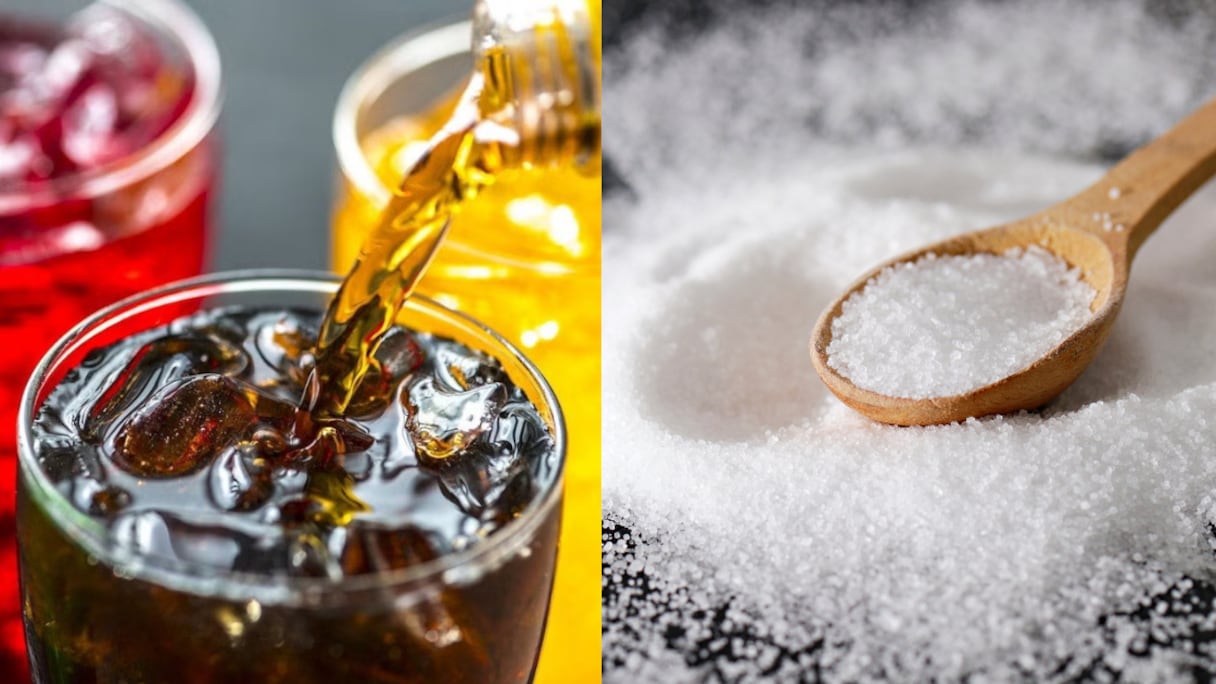
Researchers analyzed 46 commercial beverages and surveyed 412 students at Mohammed VI University of Health Sciences (UM6SS) between February and May 2025. The study found that only 28.3% of the tested drinks were fully compliant with their ingredient labels.
Acesulfame K was detected in 84.8% of the samples, while sodium benzoate appeared in 93.5% and potassium sorbate in 78.3%. Aspartame was found in 32.6% of the beverages, while sodium saccharin was detected in only one sample.
The researchers also found cases where additives were present but not declared on the label. Acesulfame K was undeclared in 28.3% of samples, while potassium sorbate was undeclared in 19.6%.
Caffeine levels varied considerably. The highest concentration measured was 298.03 mg/L in an energy drink, close to the 320 mg/L limit cited in European regulations. Some products also contained caffeine at levels that differed from what was indicated on their labels.
The study did not find that the measured concentrations of the additives generally exceeded established safety limits. The researchers instead pointed to the repeated labeling discrepancies as a concern, especially for consumers who need to avoid specific ingredients.
Sugar content also differed from labels
The researchers used Fourier-transform infrared spectroscopy to measure sugars and organic acids in the same 46 beverages.
Read also : Bloating and digestive discomfort: how to keep your gut happy this summer
Regular carbonated soft drinks contained an average of 10.2 grams of simple sugars per 100 milliliters. Some samples exceeded 14 grams.
More striking discrepancies were found in products marketed as light or sugar-free. One sample labeled with no sugar was measured at 5.81 grams of simple sugars per 100 milliliters. Another beverage with no sugar information declared on the label contained 8.51 grams per 100 milliliters, while a separate sample reached 15.55 grams.
The researchers also found differences between measured and declared carbohydrate levels. In one case, laboratory analysis found 14 grams of total carbohydrates per 100 milliliters, compared with 8.67 grams indicated in the product information.
Citric acid was detected in 87% of the samples, with concentrations reaching 1.792 grams per 100 milliliters. Malic acid was less common and was found mainly in energy drinks and fruit-based beverages.
Students often did not check ingredient labels
The consumer survey produced a second finding: high consumption was not matched by strong knowledge of beverage ingredients.
Among the 412 students surveyed, 84.47% said they consumed sugary soft drinks at least occasionally, while 30.58% described themselves as regular consumers. Nearly 60% also reported consuming light or zero-sugar soft drinks.
Energy drinks were less common. More than half of the students, 55.58%, said they never consumed them, while 36.17% consumed them occasionally and 8.25% regularly.
Among regular energy-drink consumers, staying awake was the most frequently cited reason, followed by the stimulating effect of caffeine and taste.
Knowledge of individual additives was limited. While 61.17% could identify aspartame, only 6.55% recognized sodium saccharin and 0.24% identified acesulfame potassium. Nearly one-third, 31.55%, could not name any artificial sweetener.
Label reading was also uncommon. More than six in 10 students said they never read ingredient labels, while only 6.31% said they always did.
Read also : Sardine deaths in South Africa? Fisheries officials say Morocco has a different species
Still, 50.97% said they would reduce their soft-drink consumption if they were given clearer information about potential risks, and 75.24% supported the use of natural alternatives to synthetic additives.
The researchers said the findings point to the need for closer monitoring of beverages on the Moroccan market, clearer labeling and greater consumer education.
The study, published in Scientific African, combined laboratory analysis with a consumer survey and described itself as the first Moroccan study to use both approaches to assess additives in commercially available soft and energy drinks.
