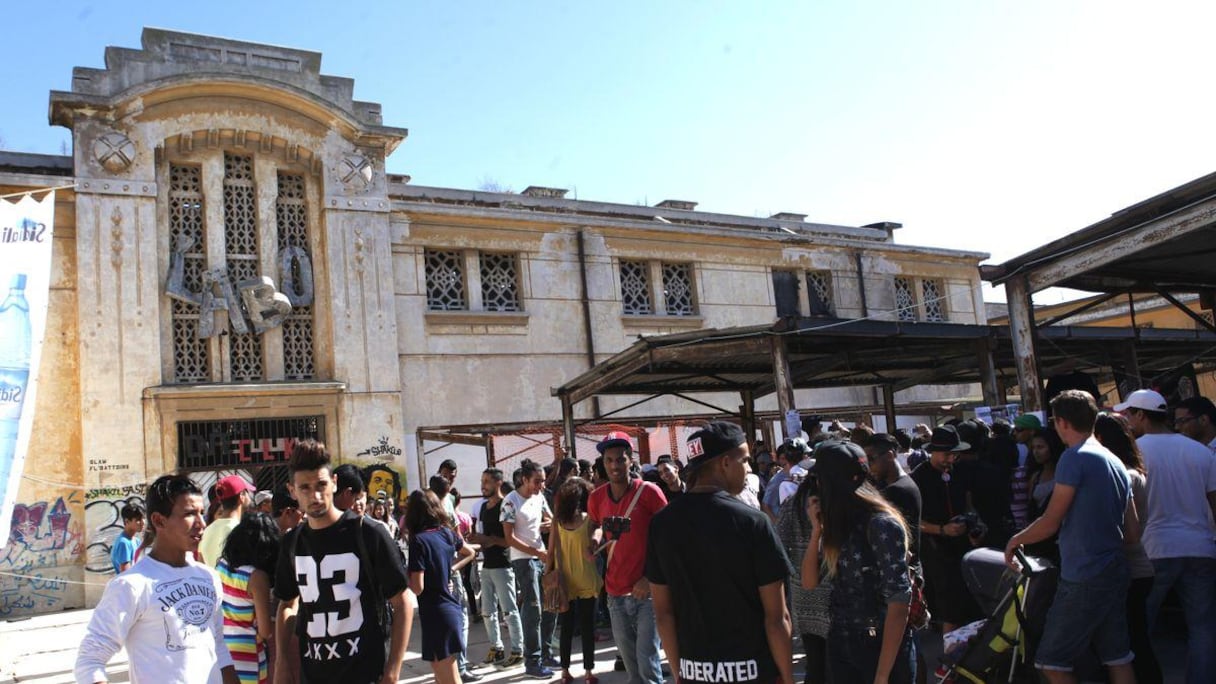
Casa Aménagement has launched a tender to appoint an engineering project manager for the restoration and rehabilitation of Casablanca’s former slaughterhouses, moving the site’s cultural and creative hub project into a new phase after years of delays.
The selected firm will be responsible for carrying out technical assessments and studies, preparing tender documents, assisting with procurement, overseeing execution studies and supervising the works through to provisional and final acceptance. The assignment is expected to run for 24 months, with an estimated cost of around 2 million dirhams.
Bids were opened on August 13, although the name of the successful bidder has not yet been made public. The assignment is valued at nearly 2 million dirhams, while the estimated cost of the restoration works stands at 95 million dirhams.
During its regular session in May 2026, the Casablanca City Council approved the framework needed for the site’s full rehabilitation. The former slaughterhouses were added to Morocco’s list of historic monuments in 2003, a year after they permanently ceased operating as the city’s slaughterhouses.
The site was later turned into a cultural incubator through the Fabrique Culturelle in 2009. Over the following years, it hosted more than 200 artists and attracted more than 400,000 visitors, including local residents, foreign students, visitors from across Morocco and international professionals. The initiative ran for three years.
“The project was initially based on a partnership between the cities of Amsterdam and Casablanca. Mohamed Sajid was mayor of Casablanca at the time. We set up focus groups to consult with cultural professionals in the city and explore how the former slaughterhouses, which had been closed since 2002, could be put to use,” Aadel Essaadani, a civil society figure and former president of the Fabrique culturelle des Anciens Abattoirs de Casablanca collective, previously told Le360.
The rehabilitation project goes beyond restoring the existing structures. It also calls for the creation of a permanent space for creators, including artist residencies, exhibition galleries, and workspaces for local associations.
Part of the site or its buildings will also be allocated to the future headquarters of the Casablanca-Settat Regional Chamber of Handicrafts. The facility is intended to address the chamber’s lack of suitable administrative premises while creating a link between the site’s historic architecture and Morocco’s traditional craftsmanship.
The works will cover all buildings within the former slaughterhouse complex. They include restoring the facades and roofs to their original appearance, redesigning the outer perimeter fence, and carrying out necessary demolition work.
The project also includes improvements to the site’s outdoor areas while preserving its architectural identity.
The new phase comes after several changes to the project’s financial structure. In October 2025, the Casablanca-Settat Regional Council approved two major changes: the overall project budget was reduced to 160 million dirhams from the initially planned 170 million, while the Moroccan Society for Tourism Engineering (SMIT) and the Ministry of Tourism were removed from the partnership agreement.
Casa Aménagement had previously awarded the engineering project management contract for the rehabilitation and redevelopment program to consulting firm SOGEC for 1.8 million dirhams. At that stage, the overall program budget was estimated at 144 million dirhams.