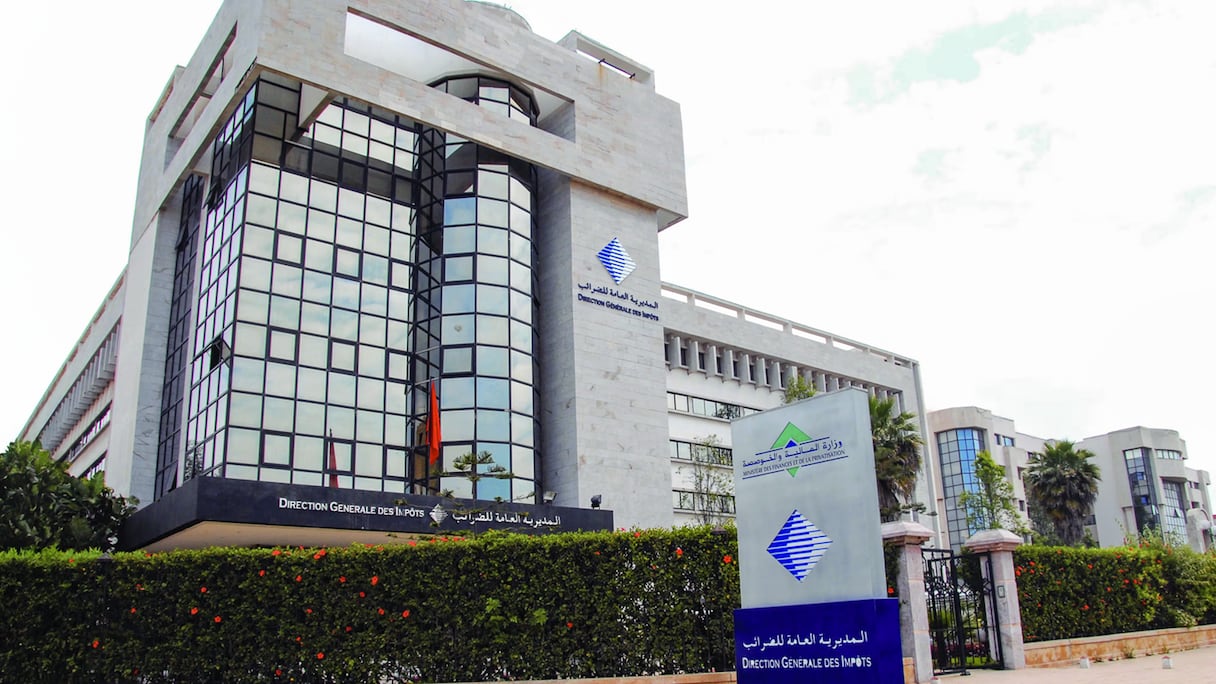
Tax policy remains one of the key factors shaping the competitiveness of transport companies. Against this backdrop, the Directorate General of Taxes (DGI) on Friday, July 10, published the 2026 edition of its guide on tax exemptions, reductions, and special tax regimes applicable to the sector. The document consolidates the main provisions of the General Tax Code and local tax legislation into a single reference, providing operators with a simplified overview of the existing tax framework.
According to the DGI guide, seven taxes account for most of the relief measures available to transport companies and operators. These include corporate income tax (IS), personal income tax (IR), value-added tax (VAT), stamp duties, the annual special vehicle tax (TSAV), the air transport solidarity and tourism promotion tax, and the business tax.
The guide details the conditions governing tax exemptions, reduced rates, and special tax regimes established under current legislation.
Its publication comes as investments in Morocco’s road, rail, port, and airport infrastructure increasingly focus not on expanding networks, but on improving their economic efficiency and their capacity to support industrialization.
According to the guide, lawmakers have introduced “a series of attractive tax incentives” designed to encourage investment in a sector regarded as strategic. The DGI notes that these incentives take various forms, including temporary tax exemptions, reduced rates, and special tax rules depending on the nature of the investment or business activity.
This approach reflects an evolution in Morocco’s tax policy. Tax incentives are no longer aimed solely at reducing the fiscal burden but are also intended to steer investment toward activities that generate broader economic benefits. Fleet renewal, the acquisition of productive equipment, and the expansion of logistics capacity are among the investments that may qualify, provided they meet the legal requirements.
The policy also addresses persistent challenges facing Morocco’s transport sector. Despite significant progress in infrastructure development, logistics costs remain a major factor affecting the competitiveness of Moroccan businesses, particularly industrial SMEs and exporters. Studies by the World Bank and Bank Al-Maghrib have consistently identified improved logistics performance as a key driver of productivity gains and lower operating costs.
Beyond the tax incentives themselves, the guide is also intended to simplify the regulatory framework. It brings together provisions that were previously scattered across multiple legal texts, offering a consolidated reference based on the type of transport activity involved.
According to the DGI, this format makes it easier for taxpayers to identify the tax measures applicable to their specific circumstances, whether related to investment, day-to-day operations, or vehicle ownership. Clearer regulations can also reduce administrative compliance costs, which are often particularly burdensome for small and medium-sized enterprises with limited access to tax advisory services.
The initiative forms part of Morocco’s broader effort to modernize its tax administration. In recent years, the DGI has accelerated the digitalization of tax procedures, expanded its online services, and published practical guides aimed at improving legal certainty for taxpayers and promoting more consistent application of tax rules.
The economic significance of these measures extends well beyond the transport sector. Logistics competitiveness has become a key factor in Morocco’s attractiveness to international investors. National strategies in the automotive, aerospace, agribusiness, and renewable energy industries all depend on the country’s ability to ensure efficient, reliable, and competitive supply chains.
Investments in Tanger Med Port, the extension of the high-speed rail network, the modernization of ONCF’s railway system, and the development of logistics platforms all reflect this national priority. According to official data from the Moroccan Agency for Logistics Development (AMDL), the national logistics strategy aims to improve supply chain efficiency in order to gradually reduce logistics costs across the Moroccan economy.
The DGI nevertheless emphasizes that the guide is intended solely as an informational resource. It explicitly states that the publication “cannot replace the legislative and regulatory texts currently in force,” which remain the only legal basis for determining eligibility for any specific tax regime.
