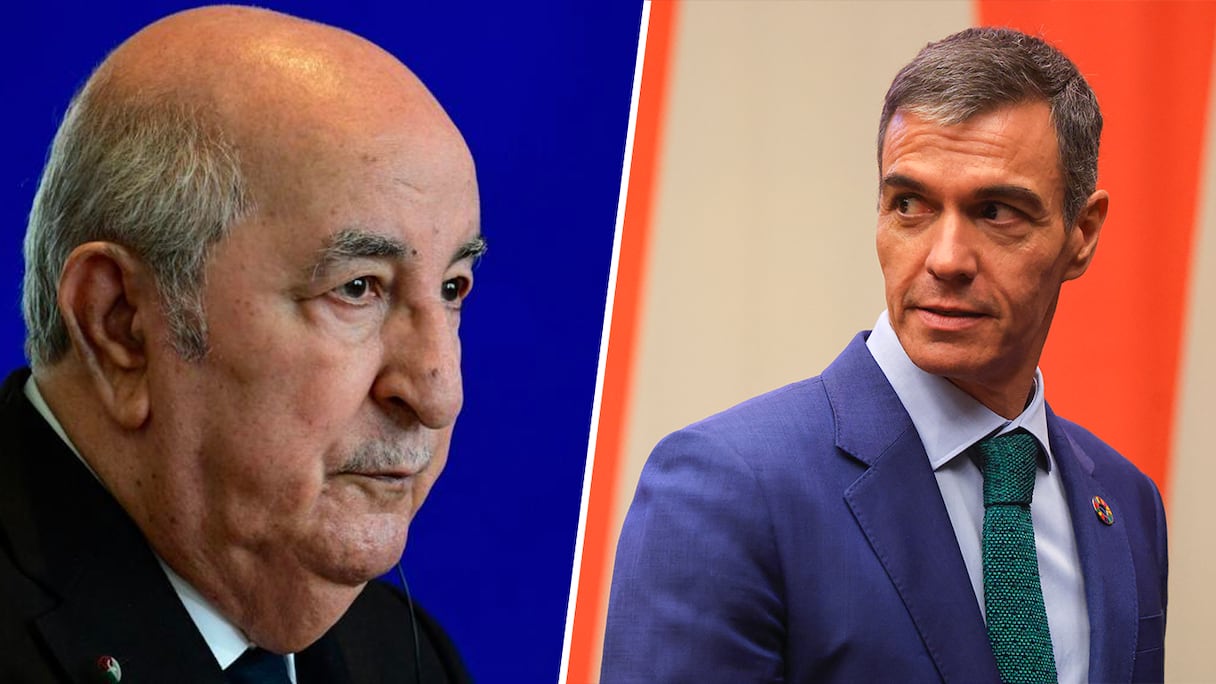
The shockwave that rattled Algerian diplomacy came by way of a revelation from Spanish outlet The Objective: Spanish Prime Minister Pedro Sánchez has unilaterally decided to postpone the High-Level Meeting that Spain and Algeria were due to hold in Madrid on October 20 and 21. According to diplomatic sources cited by the newspaper, the Spanish government notified Algiers of the postponement completely out of the blue, even as logistical and official preparations were in full swing.
The summit has now been postponed sine die, all the more surprising given that the high-level meeting was supposed to seal, at the highest institutional level, the thaw in relations between the two countries. It was intended to bring Sánchez and Algerian President Abdelmadjid Tebboune face to face, with official talks initially scheduled for October 20, followed the next day by business forums and a broad program of joint institutional events.
In Algiers, the prospect had been greeted with undisguised jubilation. The Algerian regime had revelled in the diplomatic sequence, presenting it as a vindication of its foreign policy. An entire communications campaign, orchestrated through the country’s official and media channels, had sprung up around the event, hailing it as a historic “reconciliation.” Algiers was keen to drive home the idea that it was making a triumphant return to the Mediterranean stage—and that Madrid was somehow repenting after years in which Algeria itself had unilaterally frozen cooperation.
Read also : Algeria capitulates to Sánchez and rolls out the red carpet
The now-aborted summit was supposed to crown the improvement in relations that followed Sánchez’s lightning visit to Algiers on July 20, when he met Tebboune to formally seal the resumption of bilateral ties.
To grasp the significance of this failed rapprochement, it is worth recalling how the crisis began. It erupted into the open in March 2022, when the Spanish government officially endorsed Morocco’s autonomy plan for Western Sahara under Moroccan sovereignty, describing it as the “most serious, credible and realistic basis” for resolving the dispute. Madrid’s sovereign decision sent the Algiers regime into a fury. It immediately recalled its ambassador, imposed a trade blockade and suspended the friendship treaty with Spain altogether, before economic pressure and realpolitik forced Algiers to change course. Once the anger subsided, Tebboune’s Algeria quite simply backed down, conceding everything in order to reopen dialogue with Madrid, whose position on the Moroccan Sahara has not shifted by an inch.
Back to square one, with another crisis looming
With this sudden postponement, the entire diplomatic edifice painstakingly built by Algiers over the summer is collapsing, sending relations abruptly back to square one. The prospect of another open crisis between Madrid and Algiers is no longer far off.
Sources cited by The Objective partly attribute the postponement to Madrid’s desire to avoid further straining relations with Morocco. This comes as Spain’s King and Queen prepare to visit Ceuta and Melilla on October 13 and 14, with significant diplomatic turbulence expected. Officially, preparations for the royal visit weighed heavily in the decision to postpone the summit with Algeria. For Spanish diplomacy, following a visit to the occupied presidios immediately with a reconciliation summit with Algeria in October would have created an untenable diplomatic calendar, risking a succession of fresh frictions with Rabat. But the deeper cause of the tensions lies elsewhere.
The real reason—the one that landed like a bombshell in Algiers and prompted this last-minute reversal—lies in the explosive case of Algerian businessman and opposition figure Ayoub Aïssiou, who lives in Spain and is regarded by the Tebboune regime as its most wanted man abroad.
Read also : From insults to rupture: Algiers cuts ties with UAE and retreats further into isolation
The circumstances surrounding the case are extraordinarily sensitive for Algiers. Aïssiou was jailed in Spain in late July while the Audiencia Nacional considered a formal extradition request submitted by Algeria. In early September, following a change of position by prosecutors, the Audiencia Nacional granted Aïssiou provisional release. He walked out of Brians prison on September 4 after 41 days in custody, subject to precautionary measures—the surrender of his passport, a ban on leaving Spain and twice-monthly court appearances—but with no extradition to Algeria.
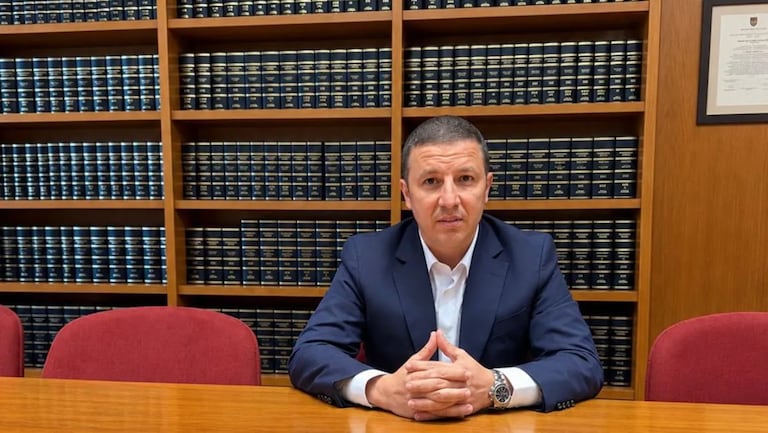
His release, handled discreetly by his defense team to avoid political and media pressure, sent shockwaves through Algiers, where it is regarded as an intolerable affront and as protection extended to one of the regime’s most formidable adversaries. Before falling foul of the authorities, Aïssiou headed one of the country’s most powerful business conglomerates, which claimed to employ 3,000 people across food processing, pharmaceuticals, plastics, chocolate manufacturing and the representation of European brands. His main source of influence was the El Djazairia One television channel and its digital networks, which amassed hundreds of millions of views—a formidable influence machine that the Algerian authorities suspect him of wielding against Tebboune.
Fearing for his life and warning that the consequences of his freedom would be “unpredictable,” Aïssiou had himself anticipated the diplomatic storm now brewing between Madrid and Algiers, abruptly dashing hopes of a honeymoon between Spain and its neighbor.
