
Morocco’s World Cup quarterfinal against France on Thursday, July 9, has sparked an unprecedented wave of marketing campaigns, with businesses, brands, and social media influencers promising extravagant discounts and giveaways if the Atlas Lions secure victory.
In recent days, brands, retailers, restaurants, influencers, and small businesses have tied promotional campaigns to a potential Atlas Lions victory in an effort to generate online engagement and attract customers.
Among the most widely shared promotions was a jewelry retailer that initially announced it would give away all of its merchandise free of charge for one day if Morocco defeated France, before clarifying in the accompanying text that it would instead offer a 50% discount.
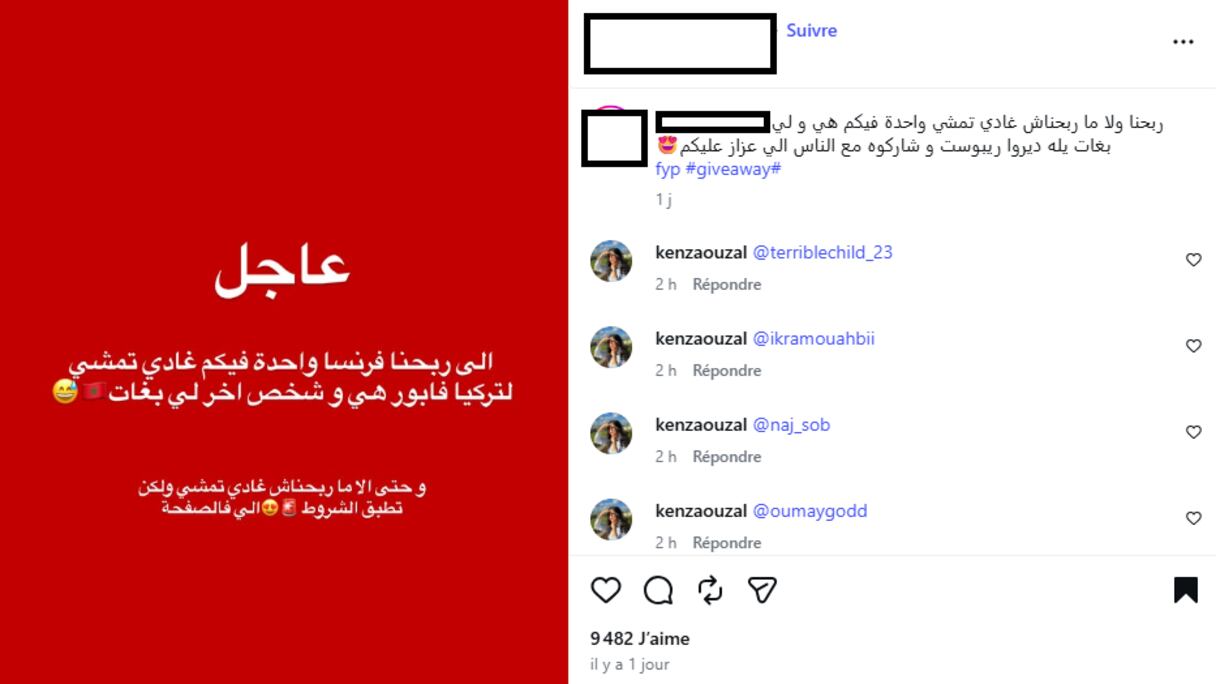
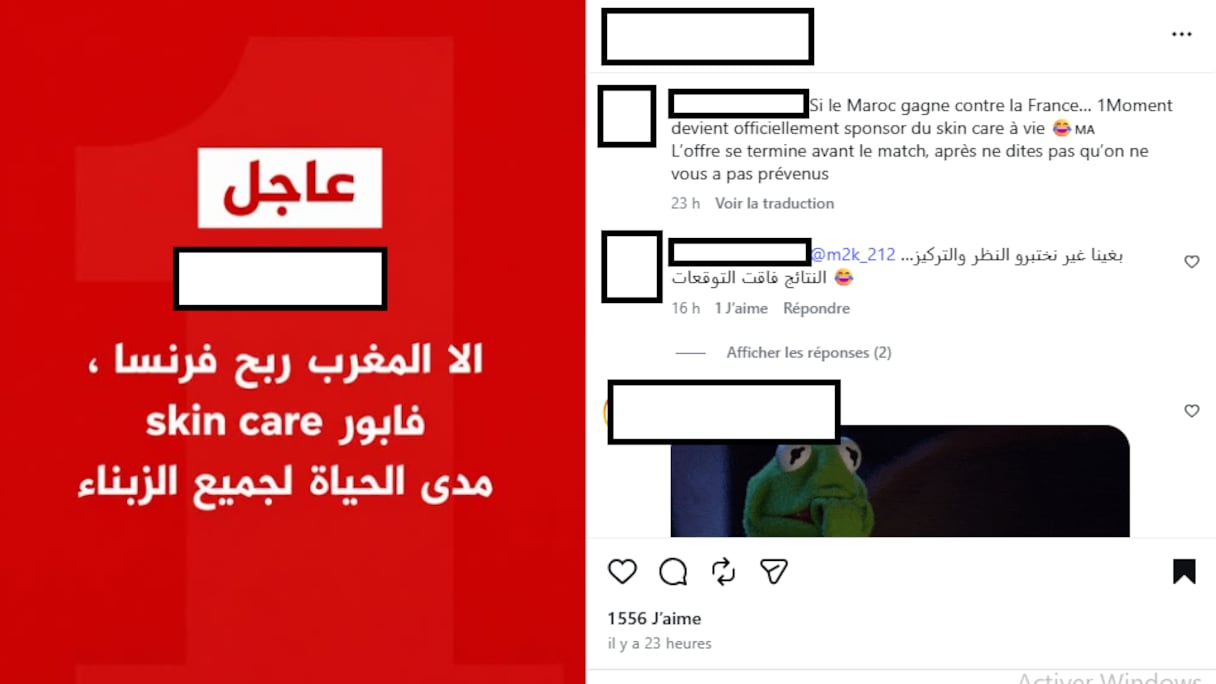
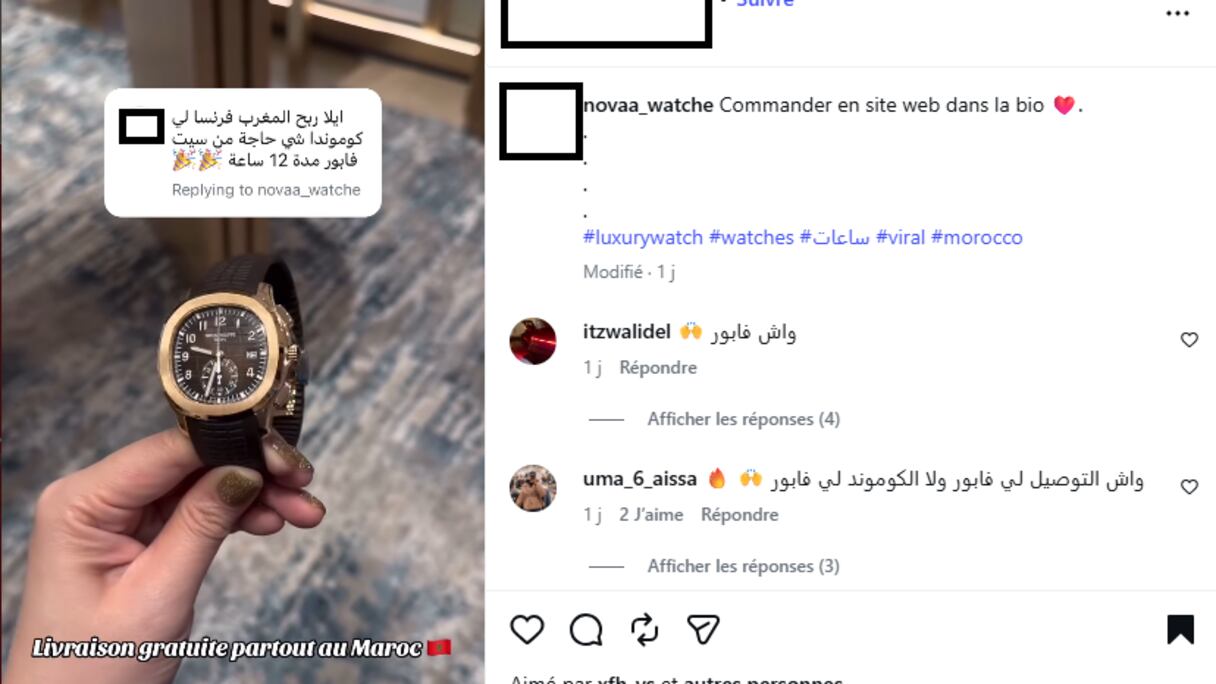
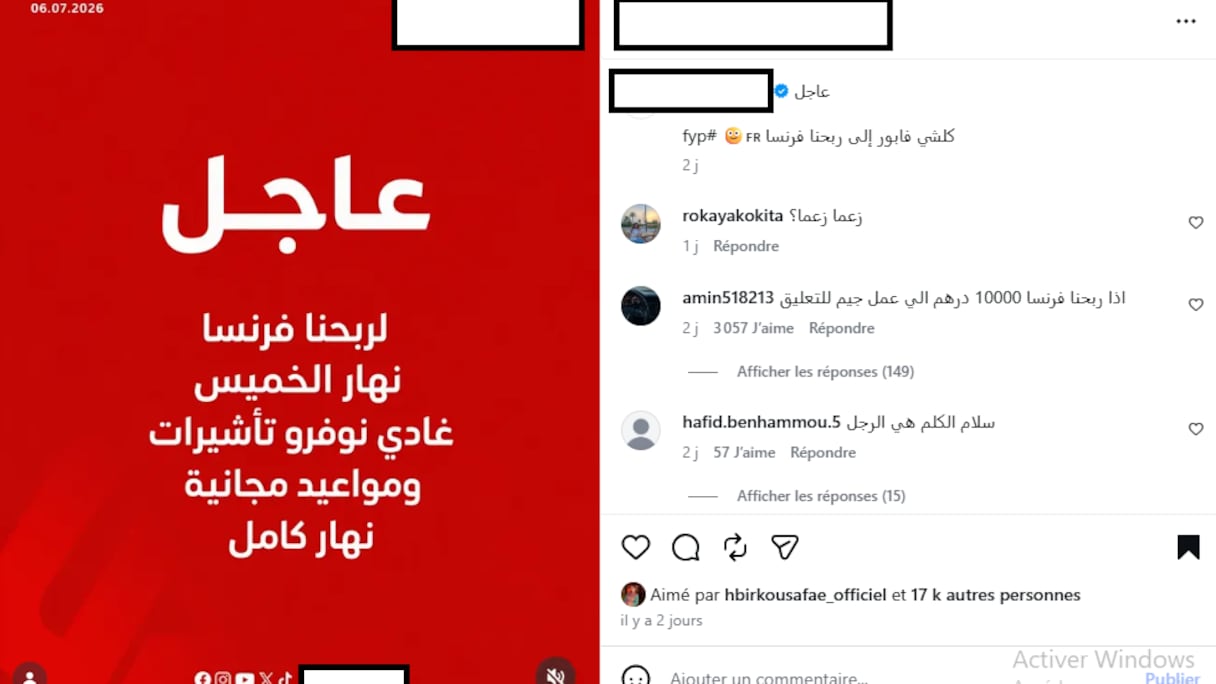
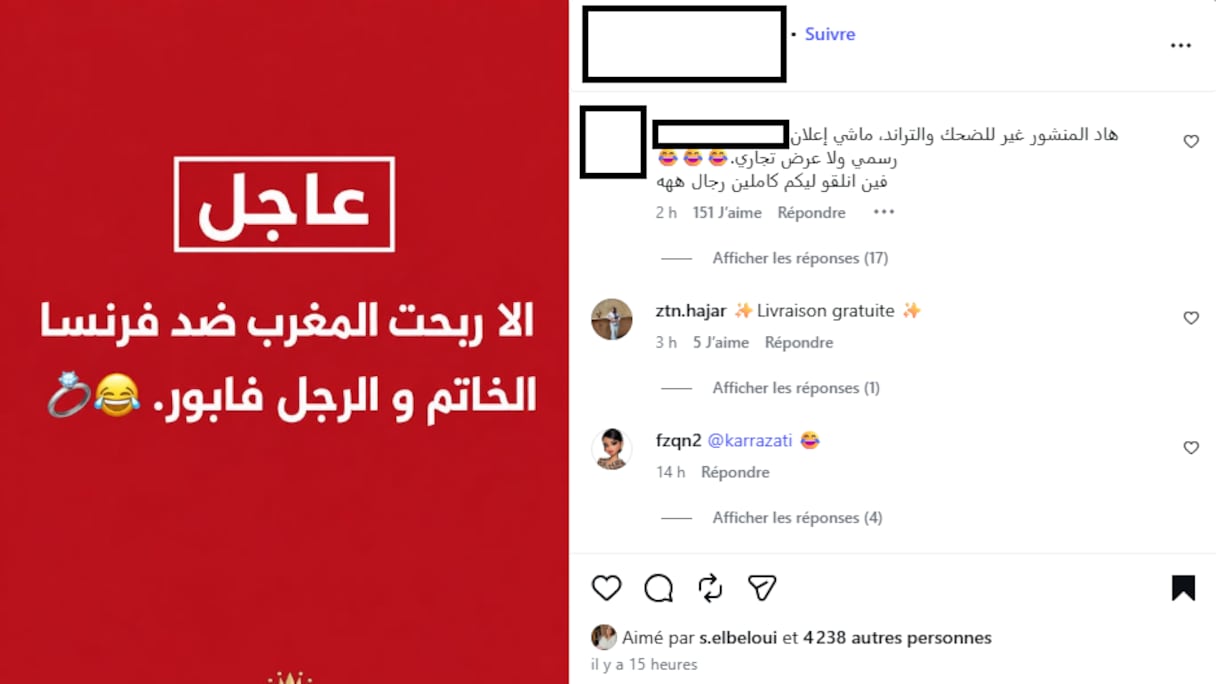
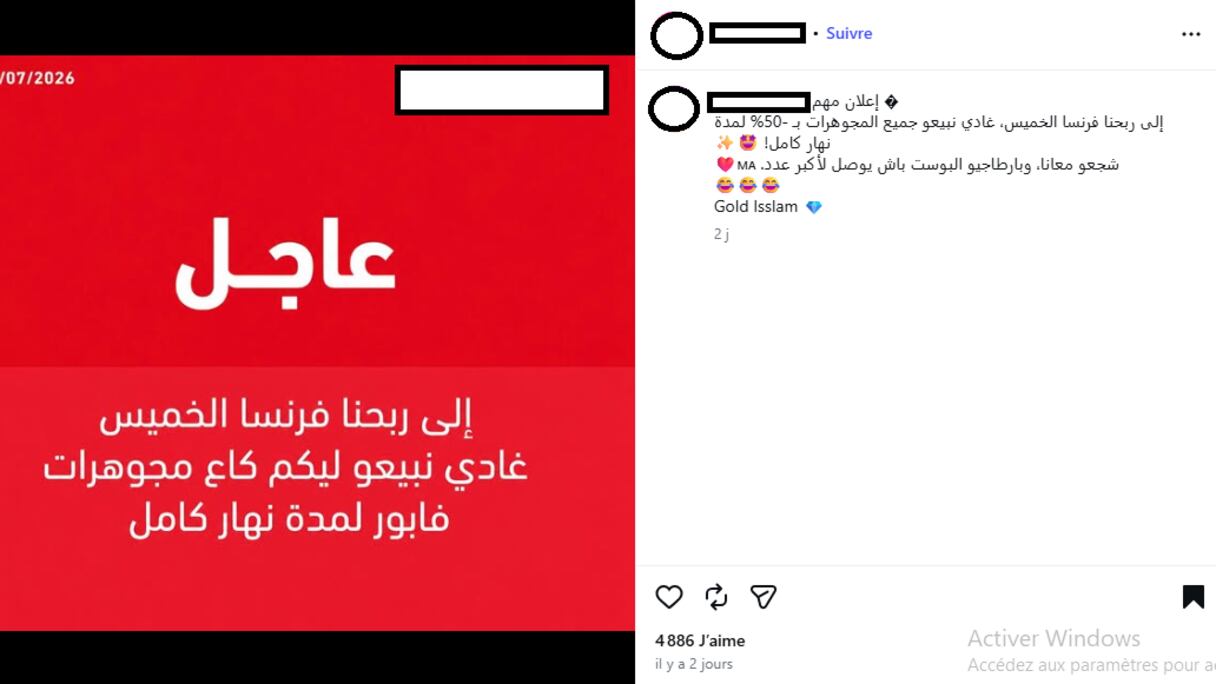
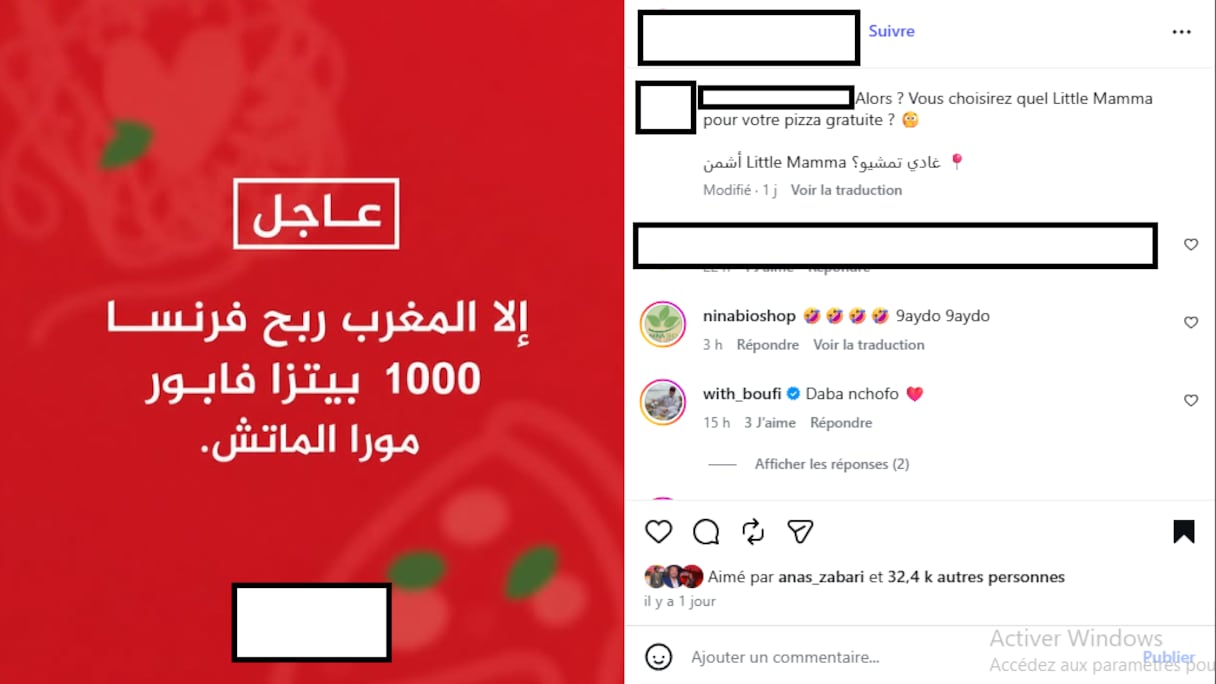
Other businesses have made similarly eye-catching promises.
Some watch retailers pledged to give away products free for 12 hours in the event of a Moroccan victory. Others advertised discounts of up to 50% on cars, clothing, and other goods, while several restaurants said they would distribute hundreds—or even thousands—of free pizzas if the Atlas Lions advanced.
The marketing wave has spread beyond retail, with beauty salons, cafés, and clothing stores also linking special offers to Thursday’s match.
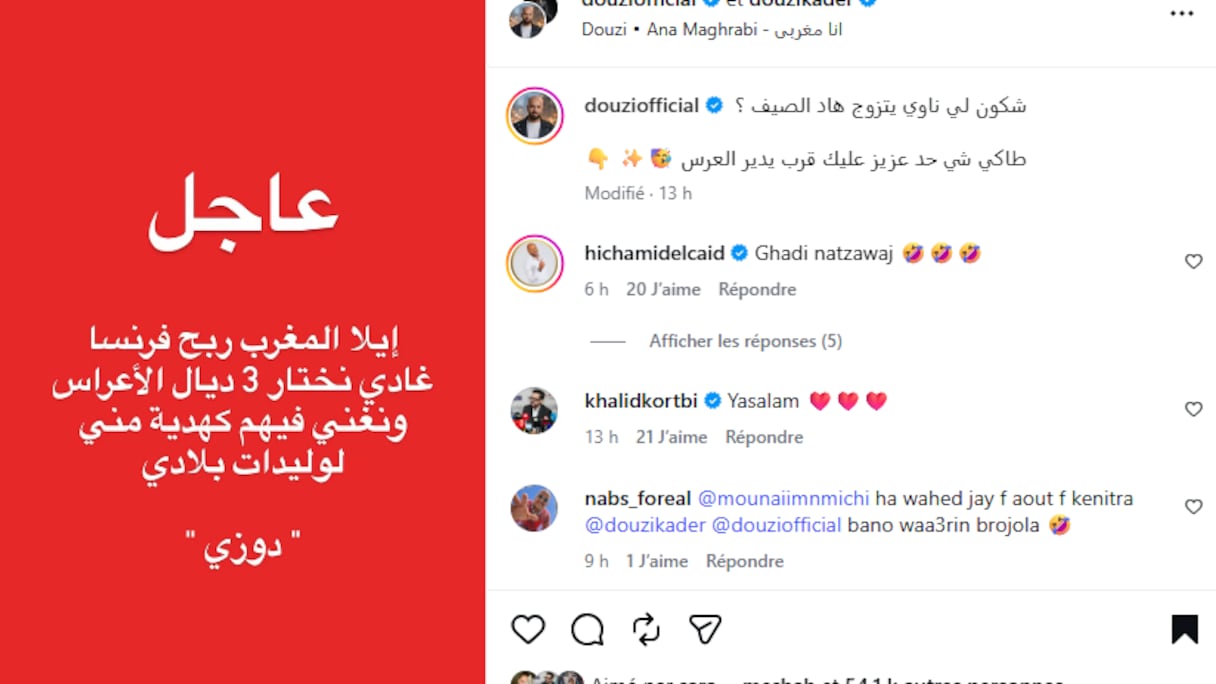
Moroccan singer Douzi joined the trend by promising to perform at three weddings free of charge should Morocco defeat France.
More than marketing?
The flood of promotions has also sparked debate over whether such public promises carry legal weight.
Amine El Fathi, a legal adviser, told Le360 that Moroccan law allows businesses to make promotional offers contingent on a future event—but requires them to honor those commitments once the stated condition is met.
“Companies are free to advertise as they see fit,” he said. “However, advertising is governed by clear legal rules. Consumer protection law requires that promotional offers be transparent, clearly defined, limited in duration, and free from misleading or false claims.”
According to El Fathi, offers tied to a Moroccan victory fall under what is legally known as a conditional advertisement.
“If the condition is fulfilled, the advertiser becomes legally bound to deliver what was promised,” he said. “It is no longer merely a social media post intended to generate engagement. It becomes a legal commitment toward potential consumers.”
He added that consumers who keep screenshots or other evidence of a published offer may rely on that material if a business later refuses to honor its promise.
“If a trader refuses to comply, consumers may seek legal remedies, including documenting the violation through a judicial officer before pursuing the matter in court,” he said.
Consumer protection rules
El Fathi cited Article 21 of Morocco’s Consumer Protection Law (Law No. 31.08), which prohibits advertising containing false or misleading claims regarding a product, its price, or the conditions of sale.
He also pointed to Article 174 of the same law, which provides financial penalties for violations.
Individuals found responsible for misleading advertising may face fines ranging from 50,000 to 250,000 Moroccan dirhams. Companies can be fined up to 1 million dirhams, with courts also empowered to impose additional penalties linked to advertising campaign costs.
Consumers may also seek civil damages, although El Fathi said compensation awarded in such cases has historically remained modest.
“The legal principle is straightforward,” he said. “Anyone who makes a promise is bound by it. Once the stated condition is met, that advertising promise is no longer simply a marketing tool—it becomes an obligation that can be enforced before the courts.”
