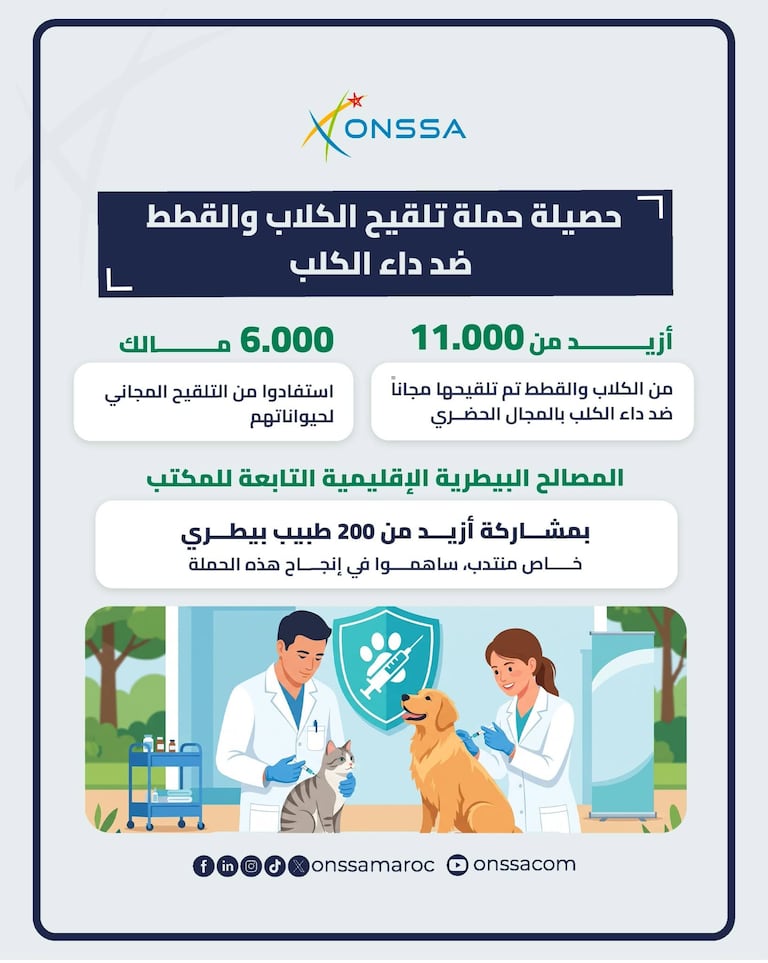
The campaign, held throughout September, also provided free vaccination services to around 6,000 pet owners and drew a strong response from the public.
More than 200 veterinarians from the private sector and ONSSA’s veterinary services took part in the campaign, contributing to its implementation across participating areas.
Zakaria Oukal, a private-sector veterinarian who took part in the campaign, told Le360 by phone that turnout was particularly strong and exceeded expectations, especially during the final two weeks.
He said the campaign benefited from a digital application provided by the relevant authorities, which helped veterinary teams communicate with pet owners, organize appointments, monitor vaccine stocks and send vaccination certificates to beneficiaries by text message.
The digital system also eliminated traditional paperwork and allowed beneficiary information to be recorded quickly.
Oukal said the campaigns also helped encourage pet owners to keep up with regular vaccinations and ensure their animals receive essential vaccines.
Veterinarian dismisses vaccination rumors
Addressing claims circulating about pets allegedly dying after being vaccinated, Oukal said the reports were unfounded.
He stressed that the vaccines used in the campaign are approved and tested products that have been used for years in veterinary vaccination campaigns and are not new or recently developed products.
He urged the public not to be influenced by rumors or unjustified concerns that can emerge when national vaccination campaigns are launched.
Read also : Got a dog or cat? Free rabies vaccinations available at private vets this month
The campaign was organized jointly by ONSSA and the National Order of Veterinarians as part of efforts to prevent rabies and strengthen animal and public health protection.
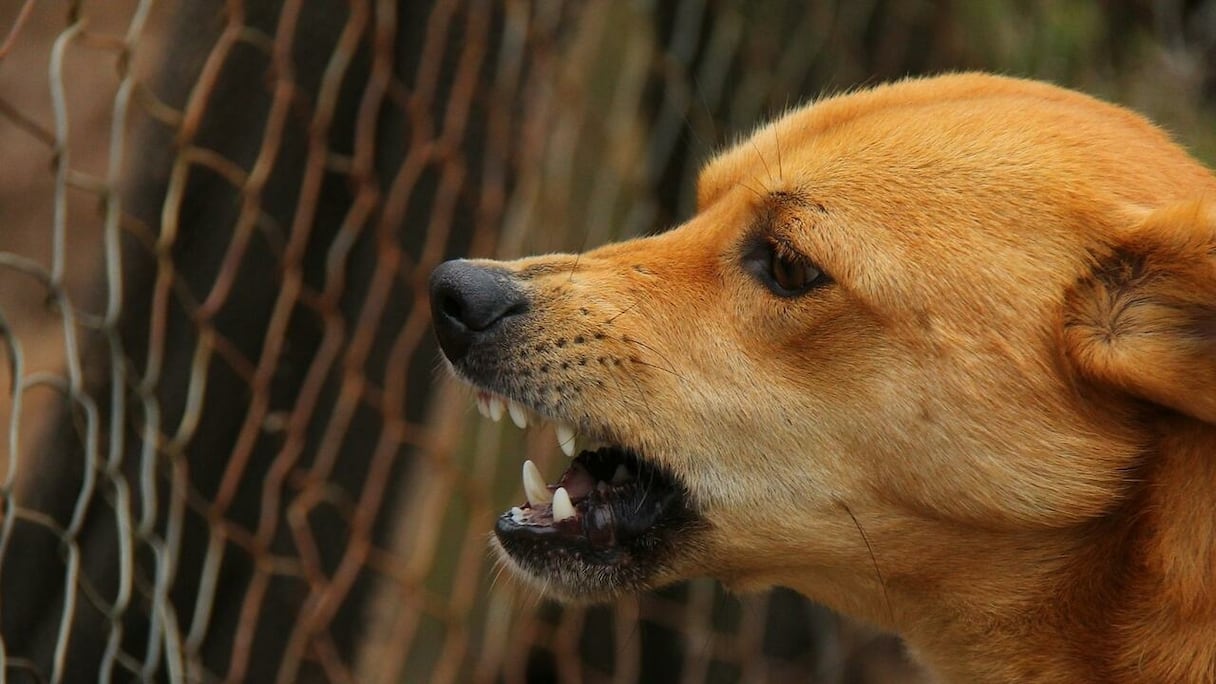
Rabies-infected dogs and cats pose a public-health risk because the virus can be transmitted to humans through bites, scratches or contact between infected saliva and open wounds.
This makes public awareness of the risks associated with animals displaying abnormal behavior important, alongside regular vaccination of pets and measures to control the spread of stray animals.
