
Morocco has begun enforcing a 20% value-added tax (VAT) on digital services provided by foreign companies, including platforms such as Netflix, ChatGPT, Spotify, and other subscription services, following the launch of a dedicated compliance platform by the General Directorate of Taxes (DGI).
The new system requires non-resident companies selling digital services electronically to Moroccan consumers to register with the Moroccan tax administration, file periodic VAT returns, and pay the corresponding tax.
The measure implements provisions introduced under the 2024 Finance Law, which extended Morocco’s VAT regime to non-resident suppliers of digital services.
What services are affected?
The rules apply to foreign companies providing digital services to customers in Morocco who are not themselves subject to VAT, primarily individual consumers.
The scope includes subscription-based streaming platforms, artificial intelligence services, cloud software, online advertising, digital marketplaces, e-learning platforms, gaming services, and products supplied electronically.
Companies potentially affected include Netflix, ChatGPT, Spotify, Claude, Udemy, and numerous other international digital platforms operating in the Moroccan market.
Will consumers pay more?
Although the legal obligation falls on foreign service providers rather than consumers, many companies are expected to pass the tax on through higher subscription prices or checkout costs.
As a result, Moroccan users could see VAT added to subscriptions for streaming services, AI platforms, cloud software, online learning products, and other digital services.
Whether prices increase by the full 20%, however, will depend on each company’s commercial strategy. Some providers may absorb part of the tax to remain competitive, while others may pass it on in full.
According to the Organization for Economic Co-operation and Development (OECD), similar rules adopted in dozens of countries are intended to ensure that digital consumption is taxed where it takes place while placing foreign suppliers under tax obligations comparable to those imposed on domestic businesses.
How the system works
According to the DGI, the “Digital Economy Compliance” platform is “dedicated for non-resident companies in Morocco that provide digital services electronically to customers not subject to VAT having their headquarters, establishment, or tax domicile in Morocco.”
Foreign providers must first register by submitting corporate information, tax identification details from their home jurisdiction, contact information, and a description of the digital services they provide.
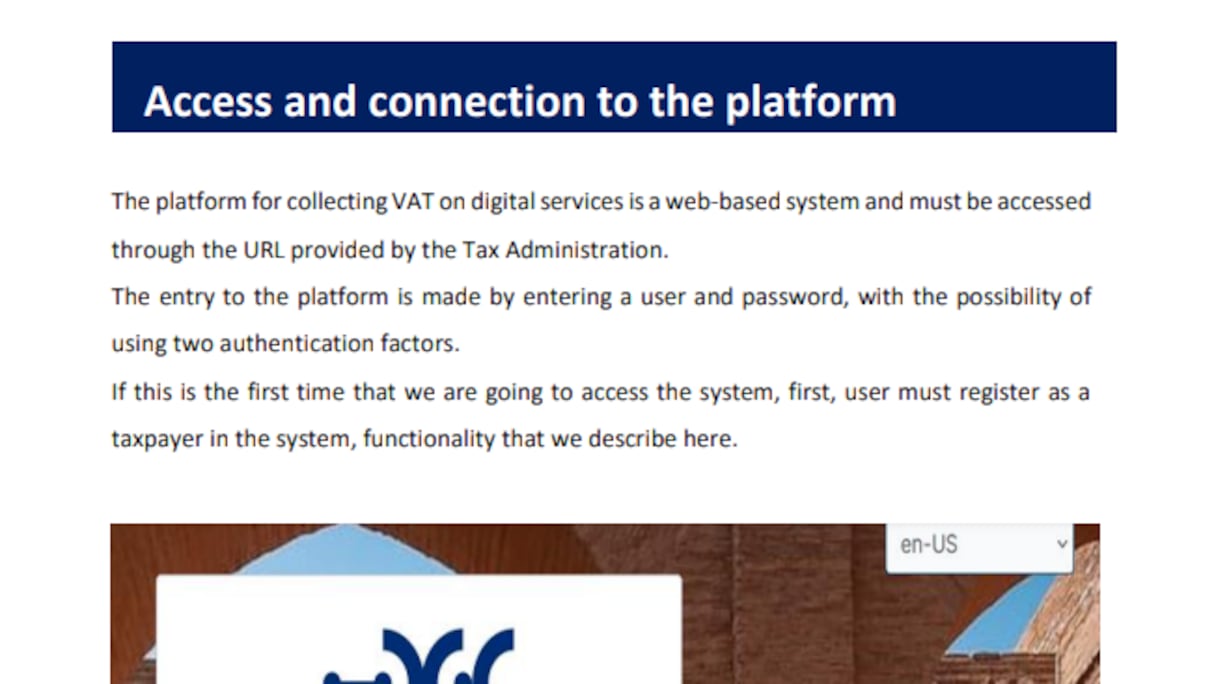
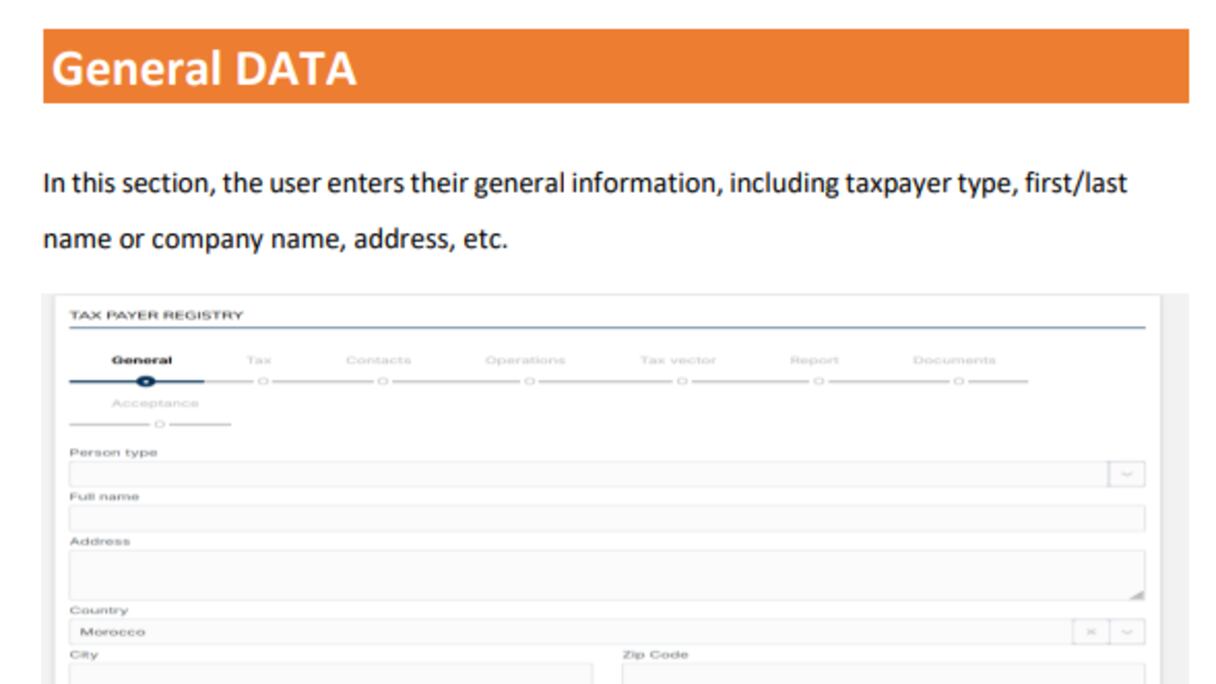
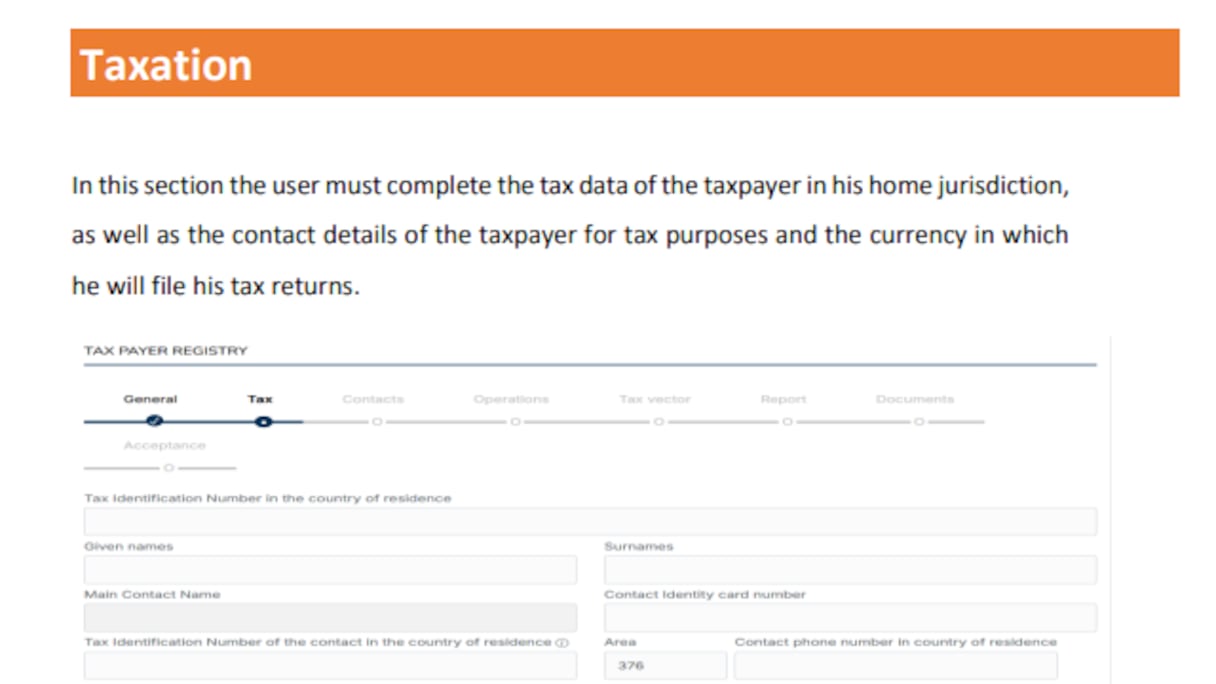
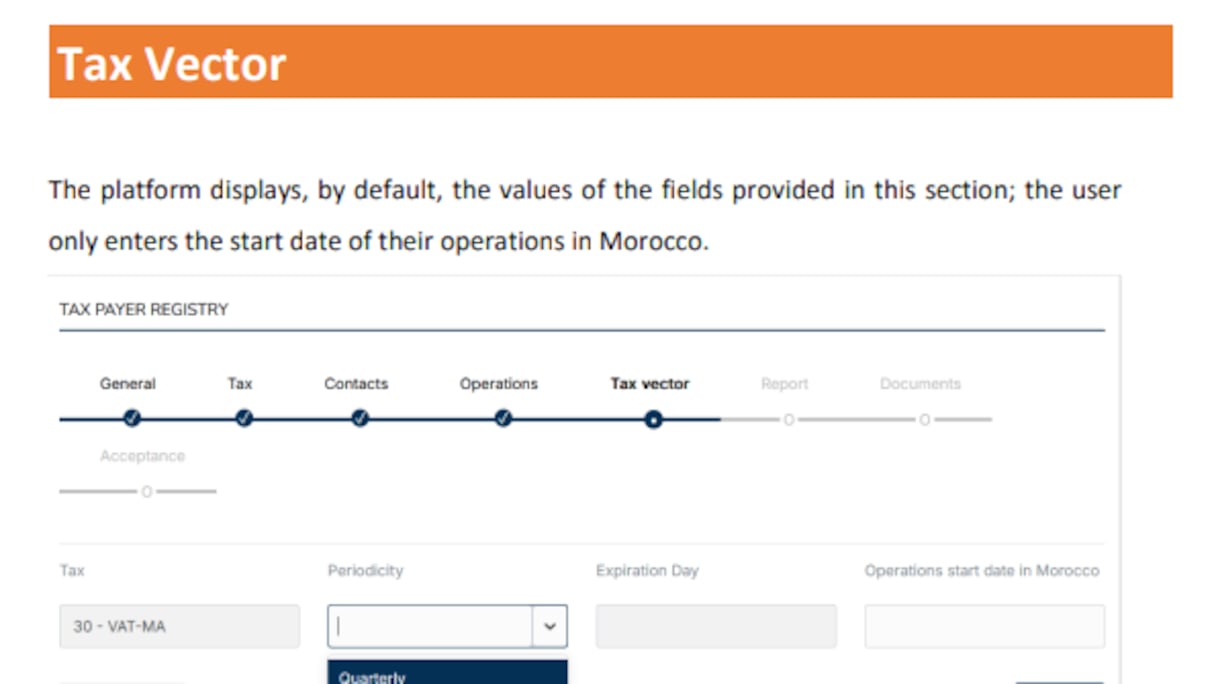
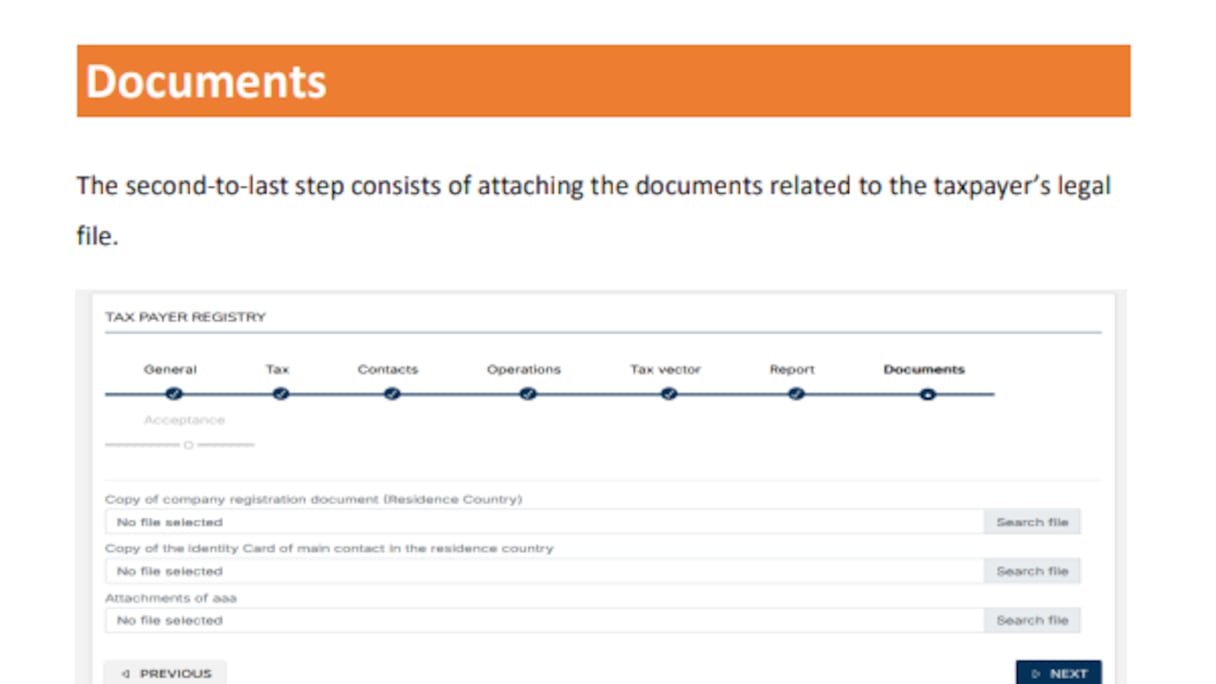
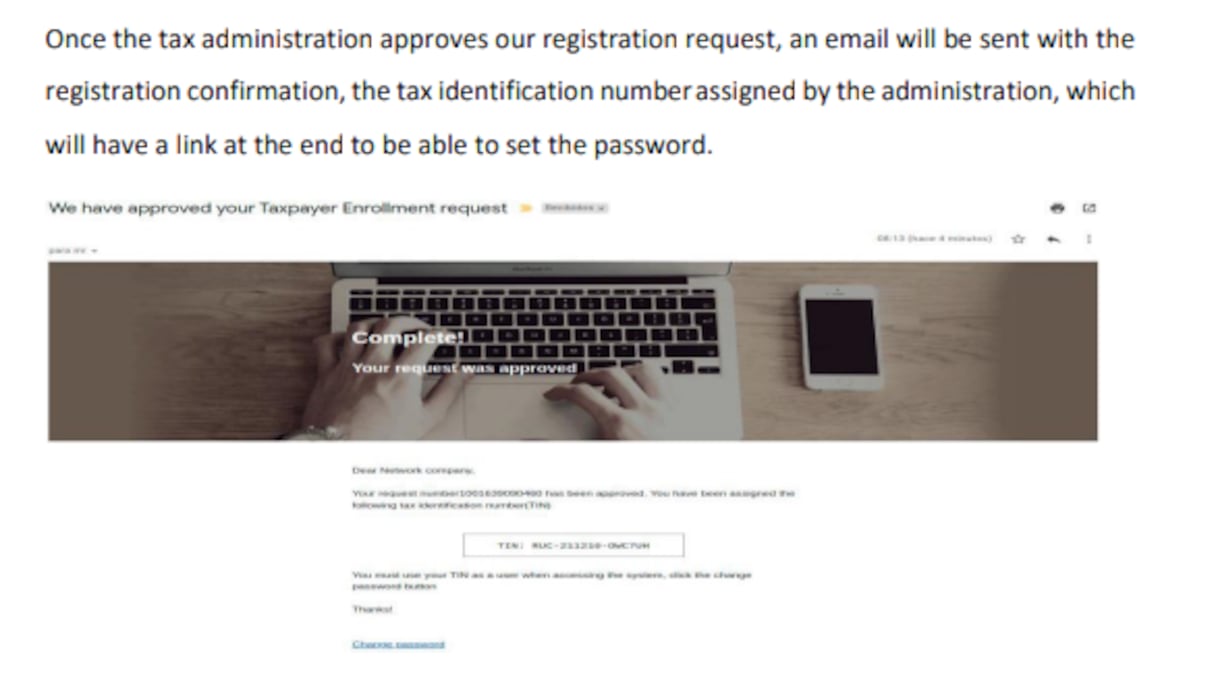
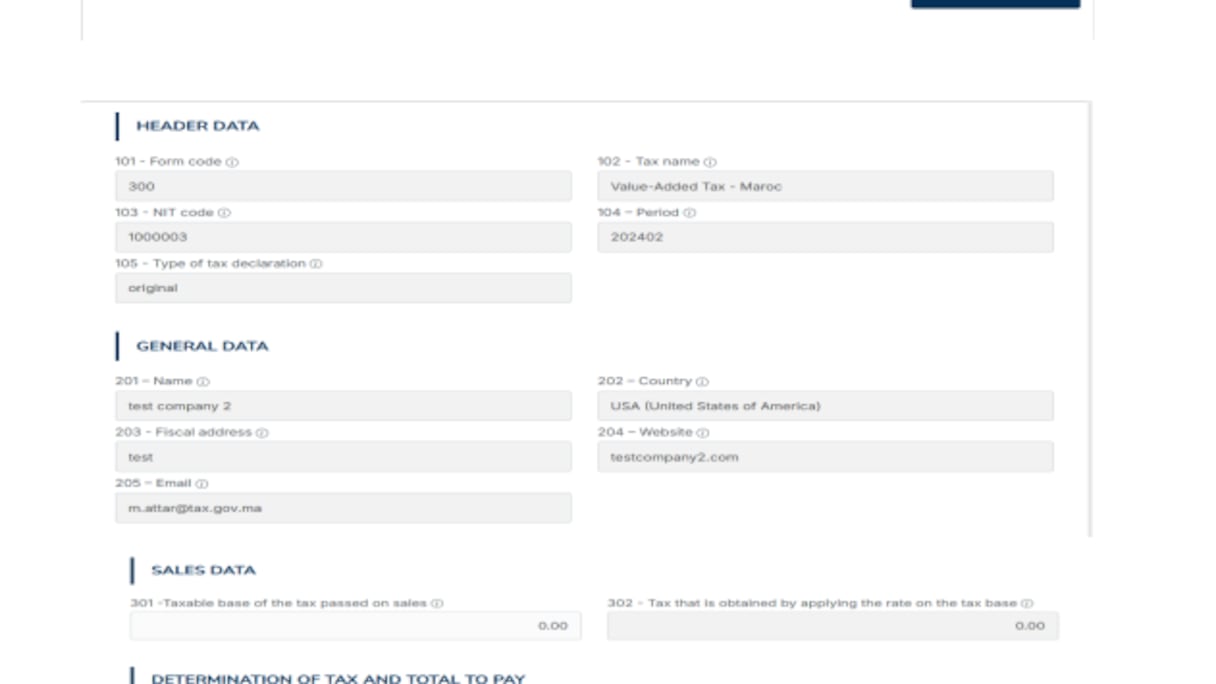
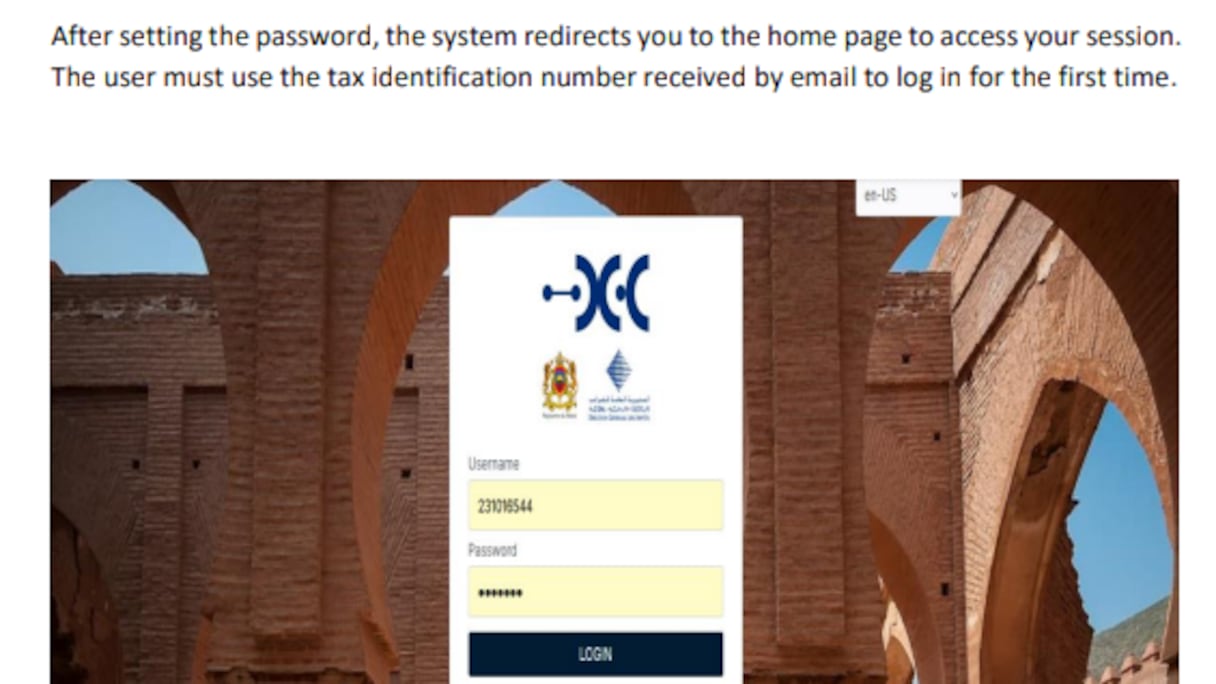
Once approved, companies receive a Moroccan tax identification number, allowing them to file VAT declarations electronically, amend previous filings, monitor payments, review account balances, and receive communications from the tax administration.
Under the new rules, providers must also keep records of digital services supplied to Moroccan customers for ten years and make them available to the tax authorities upon request.
