The annual treatment capacity is divided between 76,000 cubic meters in Sefrou and 65,000 cubic meters in El Menzel commune. The project has been carried out and equipped by the Fez-Meknès Regional Multiservice Company since 2024, with the company also directly overseeing the transport of liquid waste discharged by olive mills to the designated treatment facilities.
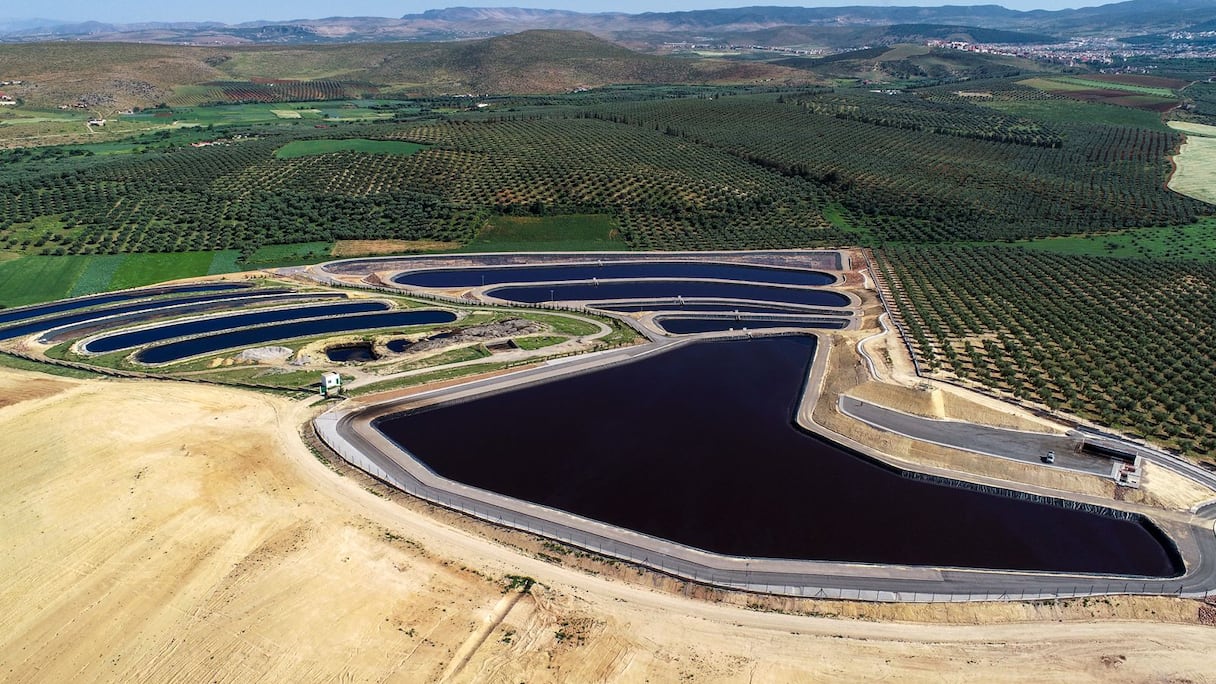

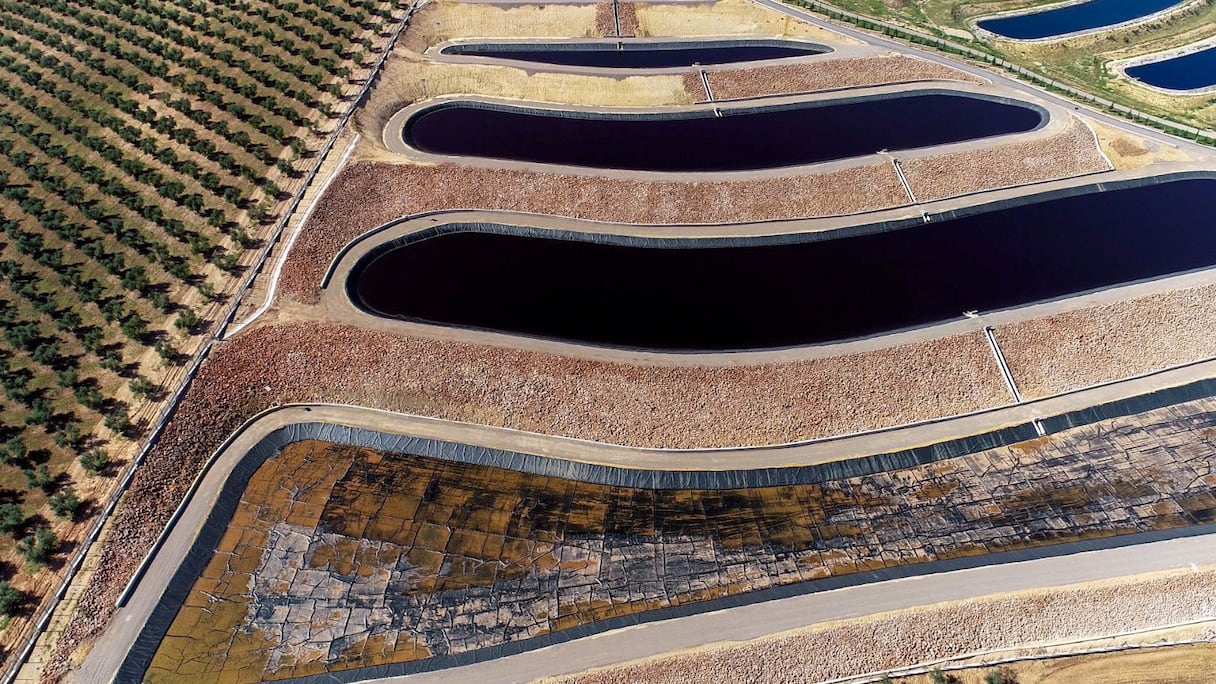
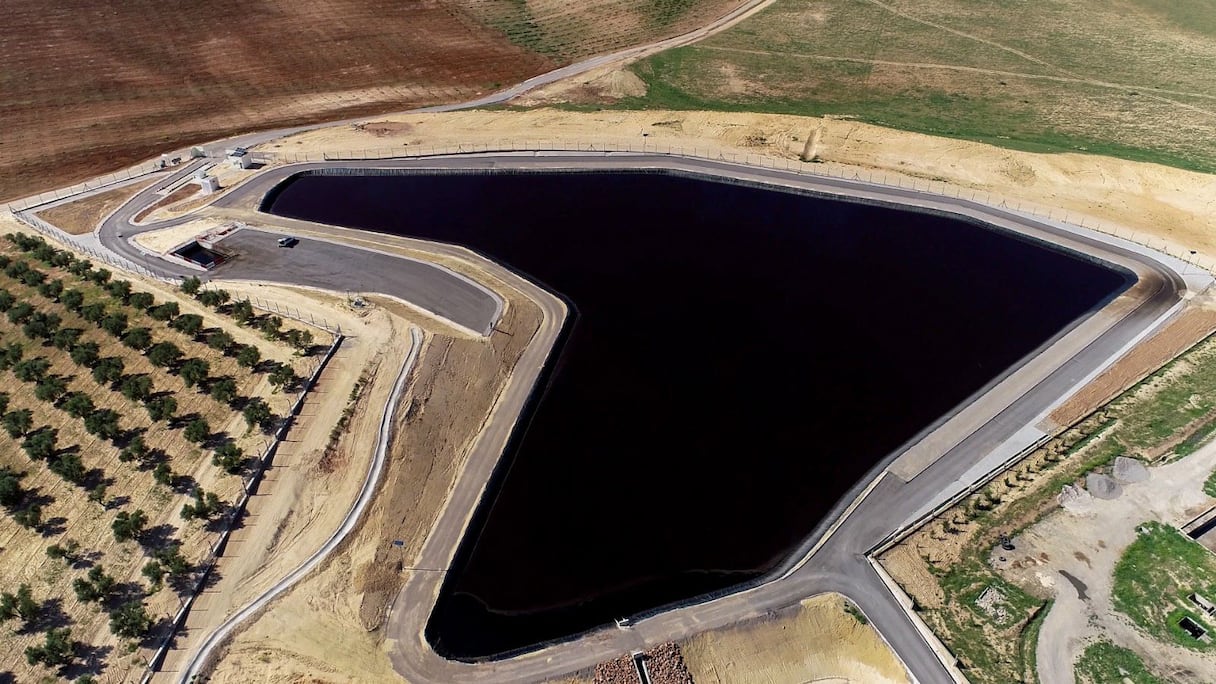
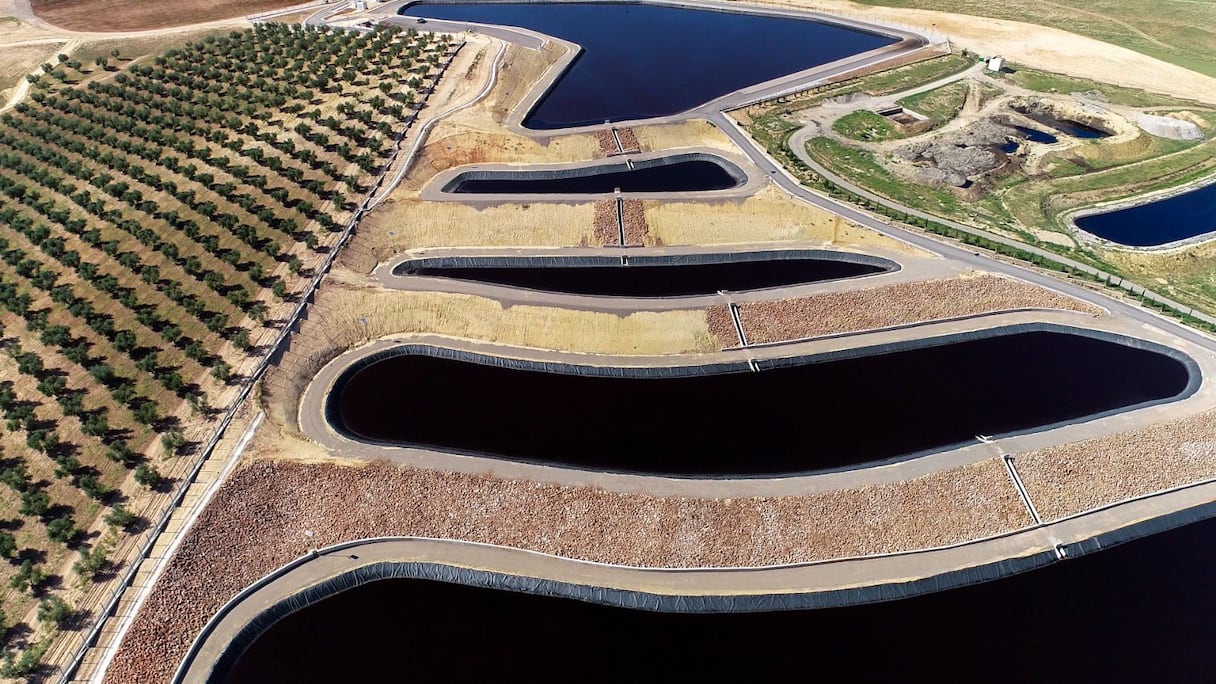
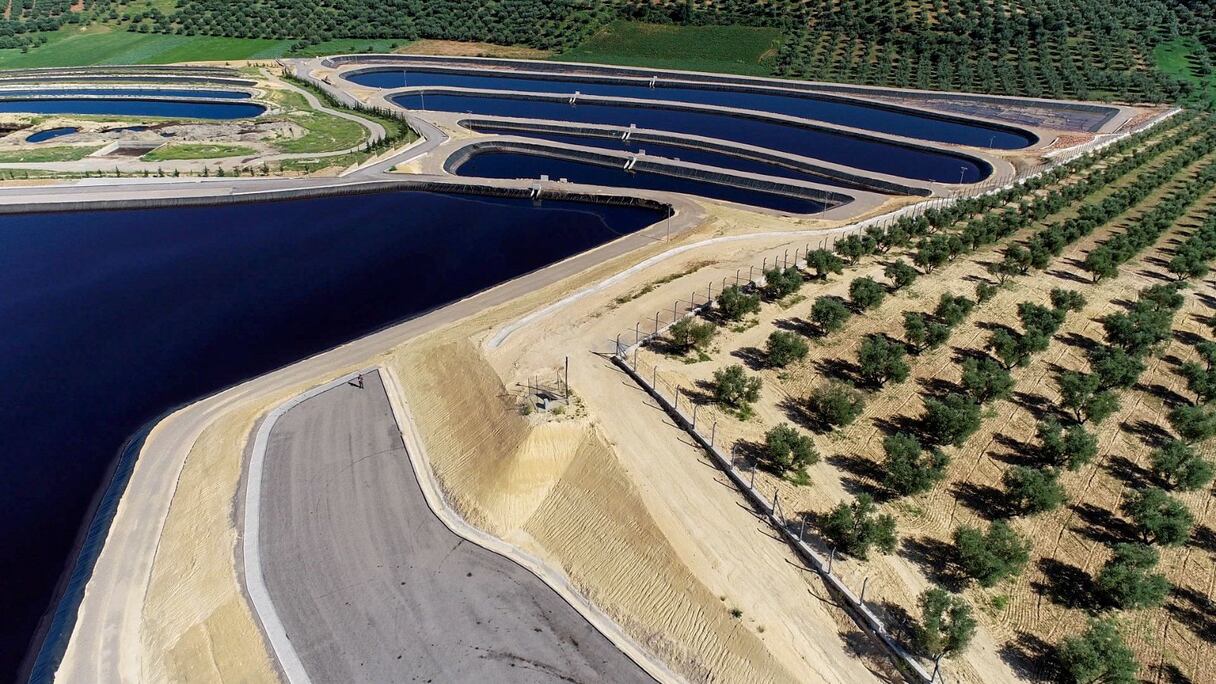
إحداث محطات لمعالجة مادة المرج بفاس وصفرو. le360
The measures were discussed at a coordination meeting chaired by Sefrou Governor Ibrahim Abou Zeid, attended by officials from the agriculture and environment sectors, representatives of the Sebou Water Basin Agency and the delegated company. The meeting focused on preventive measures to limit the impact of uncontrolled wastewater discharge on groundwater and natural ecosystems, in line with national priorities on water conservation and tackling water stress.
The provincial authorities have also adopted an inspection and monitoring plan covering olive mills across the province. The program includes field visits to check whether production methods comply with environmental standards and whether operators are meeting the requirements set out in the applicable environmental specifications.
Read also : Casablanca: waste management deal enters into force; company to begin work early next year
The province also plans to mobilize the necessary technical and logistical resources to support professional organizations and encourage them to adopt more sustainable production methods. The longer-term objective is to enable olive mill operators to manage their facilities independently while complying with current legal requirements.
