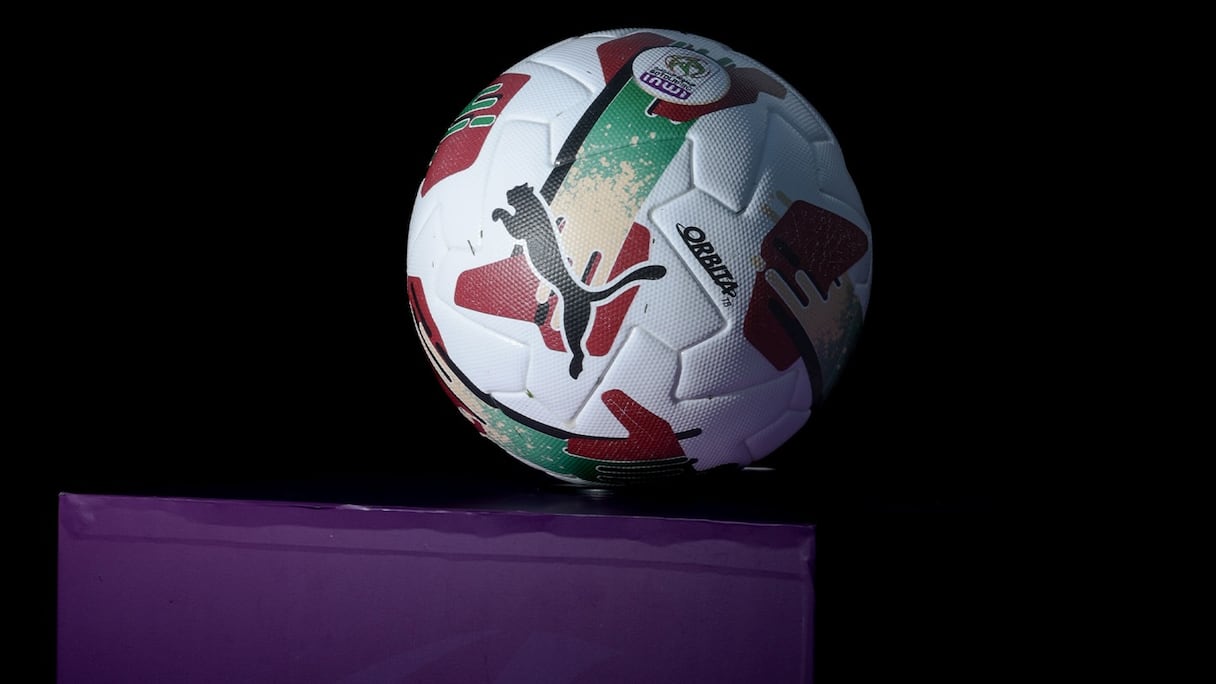
In recent days, Moroccan football has been abuzz with the possibility of expanding the Botola to 20 teams. Under the proposal, clubs relegated at the end of last season would remain in the top flight, joining last season’s 16 teams and the four highest-ranked clubs from the second division.
A model that already exists elsewhere
A 20-team top division is nothing new. England, Spain, and Italy all operate with that format, and with considerable success. But why have these global football powerhouses kept it?
The answer lies primarily in television rights. Their leagues are highly competitive and commercially attractive, allowing broadcasters to generate substantial revenue while creating a constant demand for new income streams.
The English Premier League, the world’s most watched football competition, attracts an annual audience of more than 4.5 billion viewers and reaches 643 million households worldwide—remarkable figures by any measure.
Other countries, however, have moved away from the 20-club model. France and Belgium have both abandoned it, while Germany, despite having one of Europe’s leading leagues, has never adopted it.
The format also comes with significant drawbacks. A 20-team league means a 38-match season, creating an increasingly congested calendar at a time when players’ physical and mental well-being has become a major concern.
Read also : Juventus eye Morocco goalkeeper Yassine Bounou
France reduced its top flight to 18 clubs beginning with the 2023-24 season, citing the need to protect players, strengthen clubs’ financial sustainability, and improve the league’s competitiveness. Faced with a deep television rights crisis and broadcasters unwilling to air every match, an 18-team format was considered more viable.
There are already enough challenges to address
The Botola already faces numerous structural problems. Organizing a 16-team league remains a challenge, with unsellable television rights, chronic financial and administrative fragility, and many clubs embroiled in legal disputes.
As regional leagues work to establish their own headquarters by the end of 2026 and the National Professional Football League (LNFP) places commercial development at the center of its new strategy, expanding the Botola to 20 clubs appears difficult to justify.
Making better use of young talent, improving matchday organization, and overhauling the competition calendar are all far more pressing priorities.
If the LNFP were to move ahead with a 20-team league, would it introduce strict eligibility criteria? Without them, clubs currently in the first division—even those without a stadium or facing severe financial difficulties—could remain in the expanded league. Adding four more clubs facing similar challenges would only make the situation worse.
A more realistic alternative
Rather than expanding the league, a more realistic, attractive, and profitable option would be to reduce its size.
Why not create a 12- or even 10-team championship made up of clubs that meet all sporting, financial, and infrastructure requirements, with playoffs determining the title, relegation, and qualification for African competitions—and without midweek fixtures?
Such a format would be more competitive, more balanced, and potentially more attractive to sponsors and broadcasters. It would also make the calendar easier to manage.
Read also : FIFA faces backlash over proposed $4.2 billion stake sale in World Cup business
Switzerland offers one example. Its 12-team league has each club face every other team four times per season—twice at home and twice away. At the end of the campaign, the bottom club is automatically relegated, while the second-from-bottom side enters a promotion-relegation playoff against the second-placed team in the second division.
Expanding the Botola to 20 clubs would not, in itself, be unprecedented. The last time the Royal Moroccan Football Federation (FRMF) increased the number of teams in the top flight was in the early 1980s, when the league was expanded to 20 clubs before later being reduced to 18. Since 1983, the championship has consisted of 16 teams, a format that remains in place today.
