With the 2026 World Cup over, attention has shifted to 2030 — and the six stadiums that will host matches when Morocco stages the tournament alongside Spain and Portugal.
Two are already finished. Three have gone back under construction for major second-phase overhauls. And in Benslimane, the biggest of them all is beginning to rise from the ground.
The Hassan II Grand Stadium remains the centrepiece of the programme, with a planned capacity of around 115,000 spectators and delivery scheduled for December 2027.
Earthworks and site preparation have been completed, with construction now focused on the main structure. Foundations and the first levels of the stands are already visible.
The next major step will be the installation of the vast roof inspired by the traditional Moroccan tent.
The stadium will have a natural hybrid pitch and more than 114,000 seats across different categories, alongside VIP and VVIP areas, boxes and dedicated media facilities.
The project was 40% complete in May.
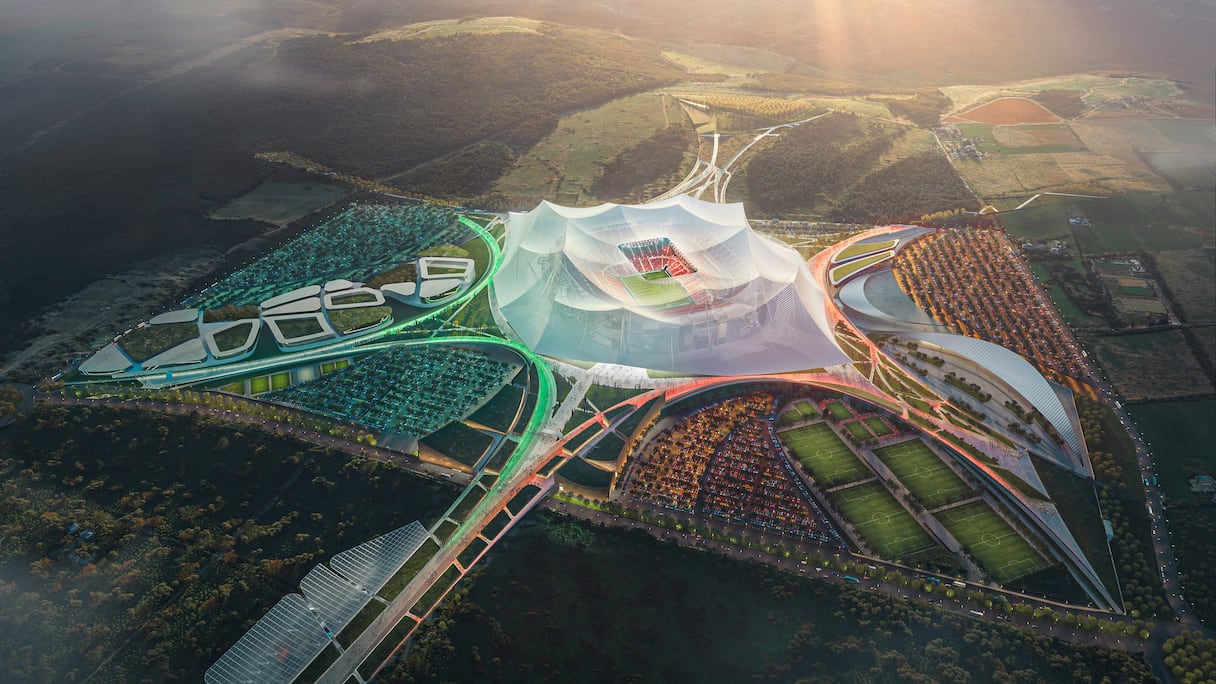
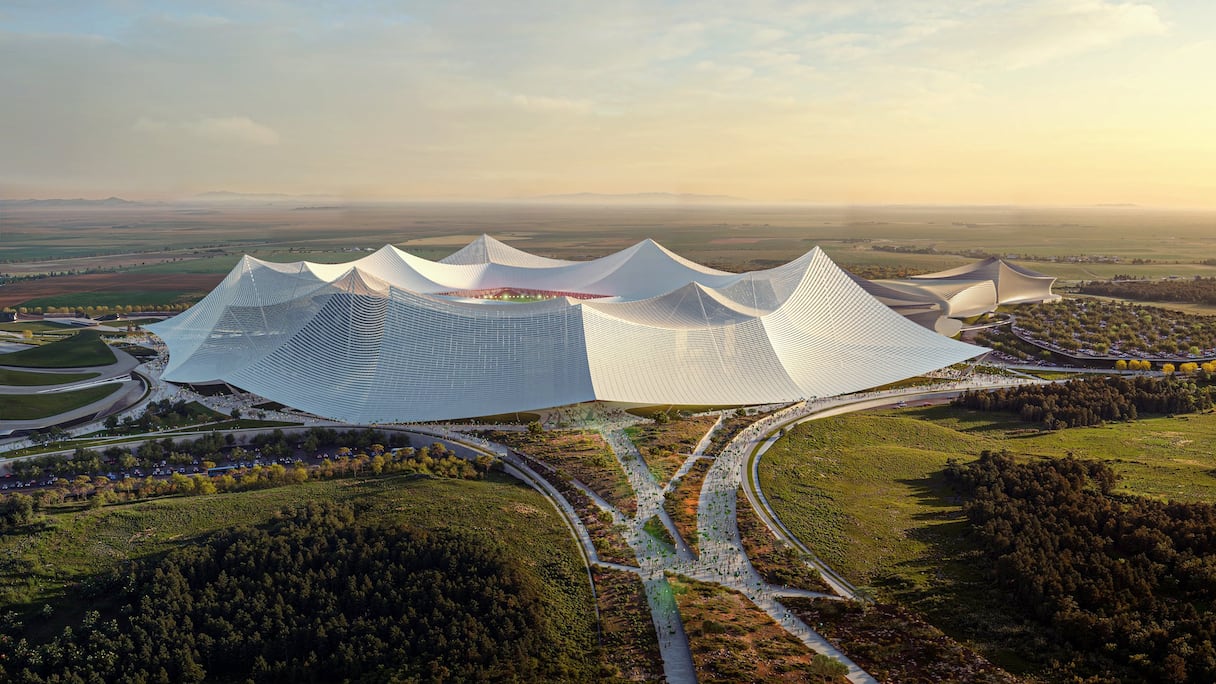
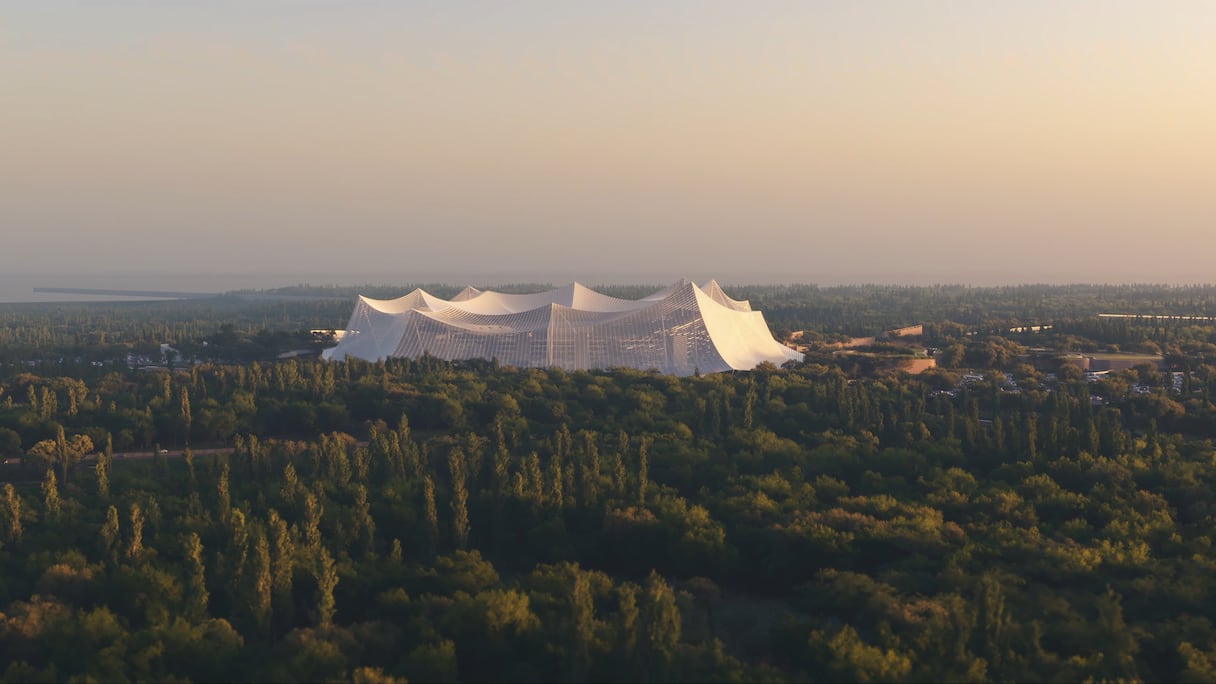
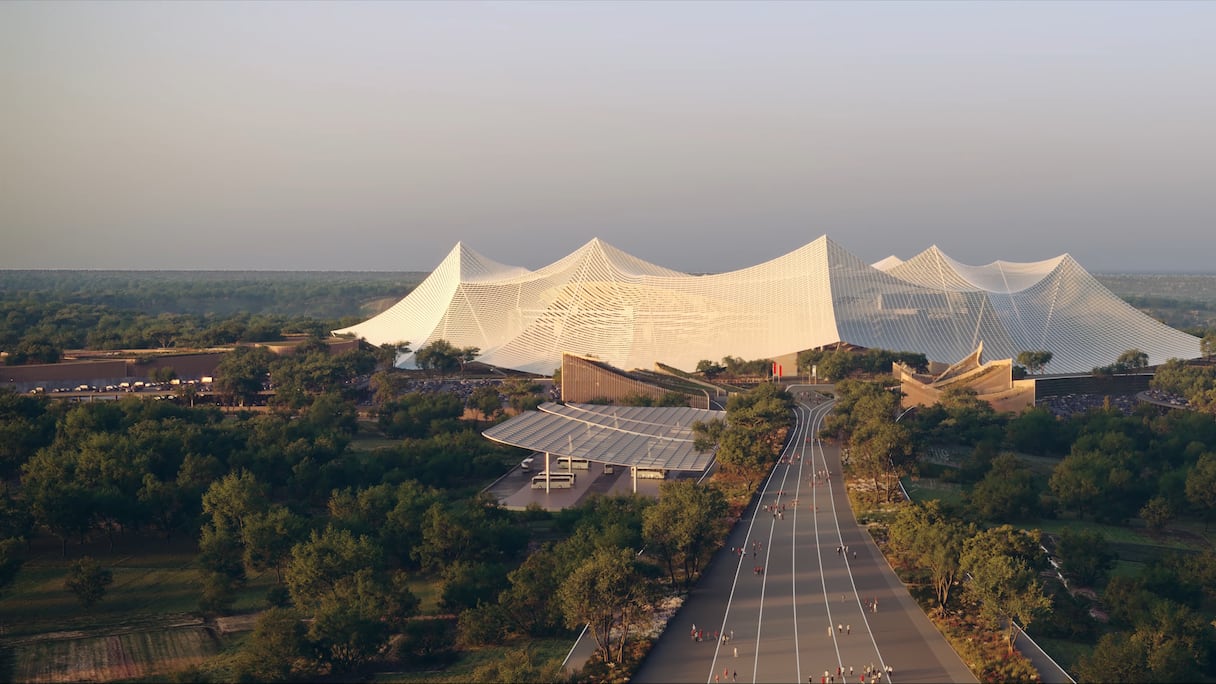
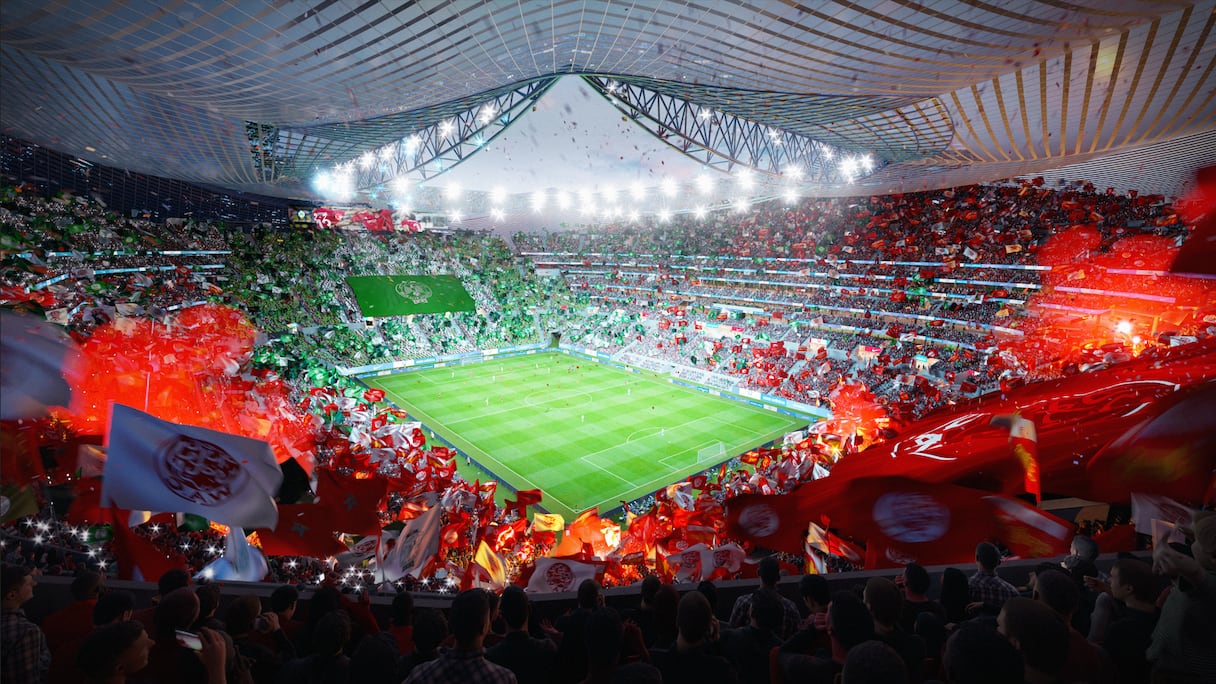
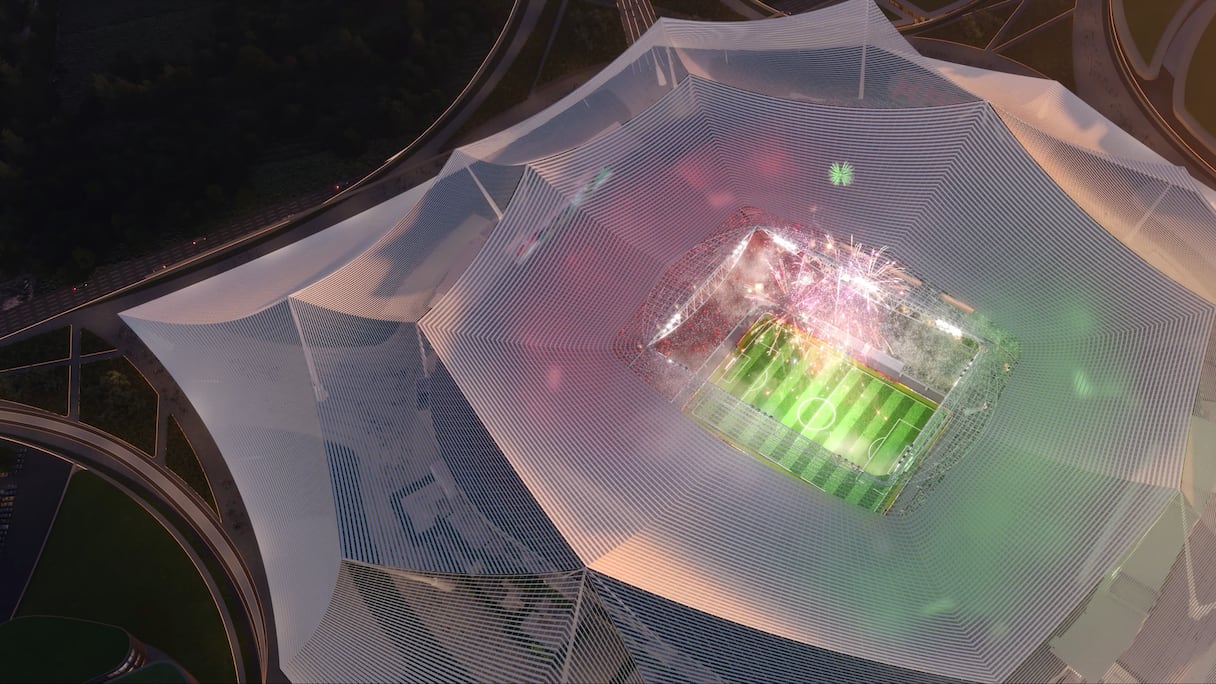
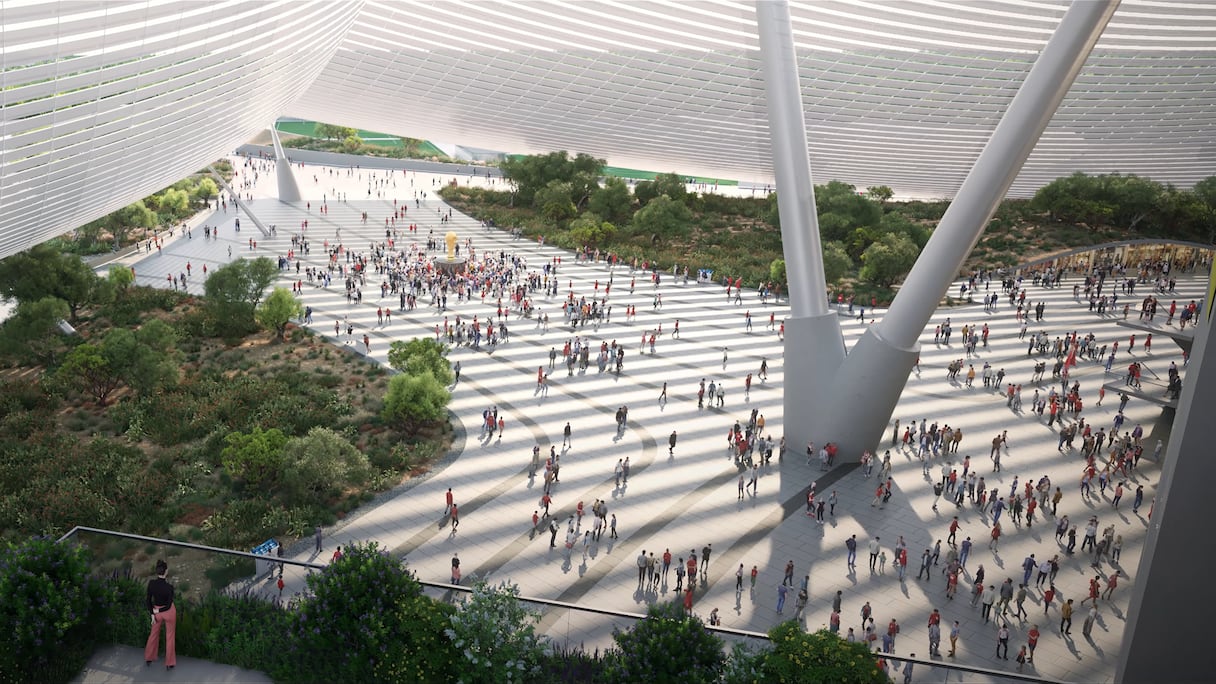
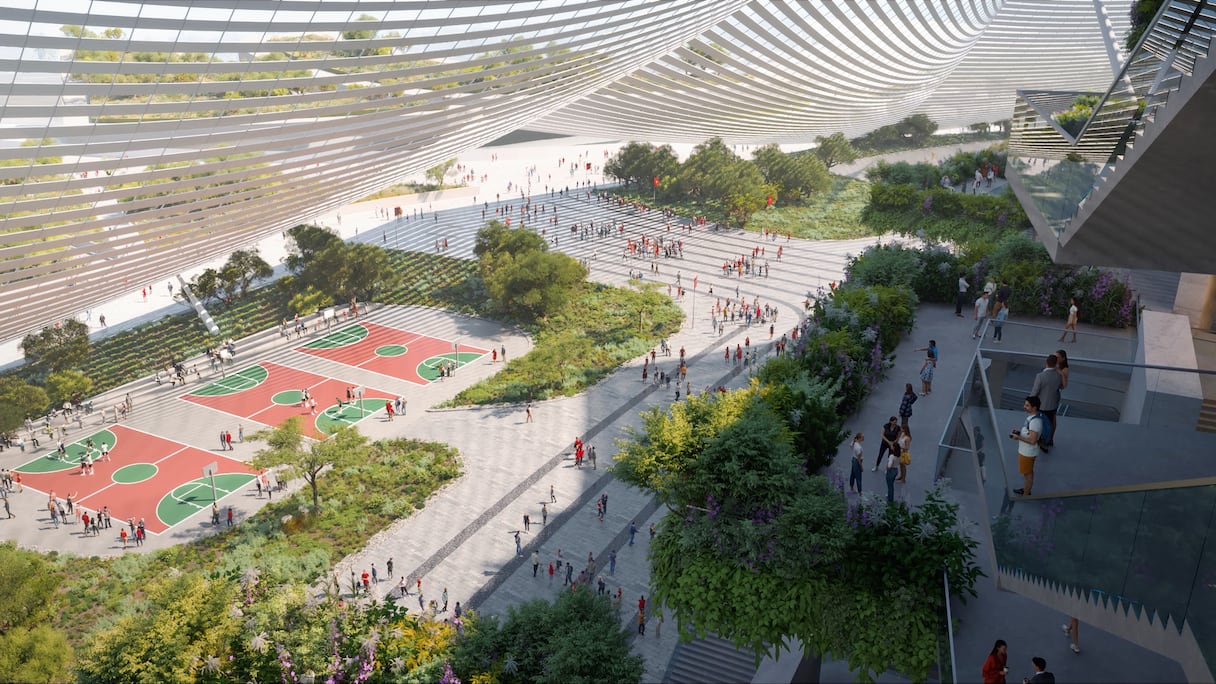
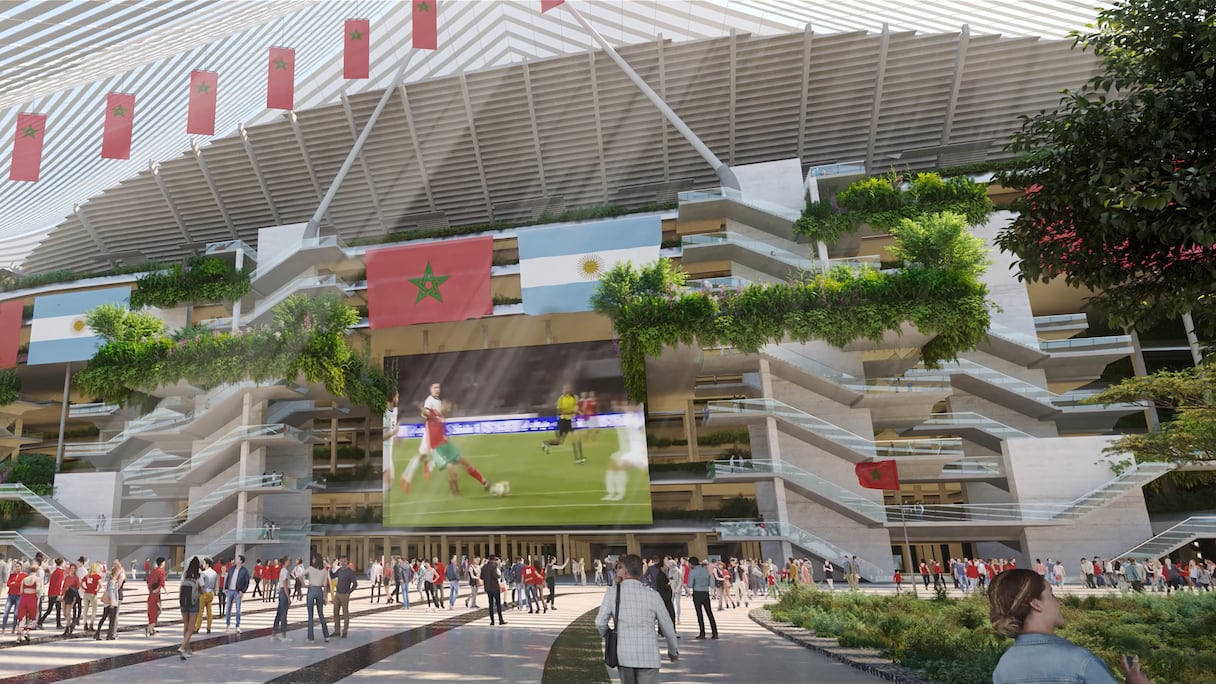
Maqueta del Gran Estadio Hassan II de Benslimane
Agadir, Marrakech and Fez go back under construction
For Agadir, Marrakech and Fez, the work underway now goes well beyond the upgrades carried out for AFCON 2025.
All three are entering the redevelopment that will give them their final World Cup configurations.
At Agadir Grand Stadium, the athletics track is being demolished to make way for additional stands closer to the pitch.
Nearly MAD 450 million was spent on the first phase. The current redevelopment will leave the stadium fully covered, give it a new facade and take capacity to around 46,000.
Marrakech is undergoing a similar transformation after around MAD 400 million was spent on its first round of upgrades.
Its athletics track will also disappear, while the pitch will be lowered by six metres to make room for new stands closer to the playing area.
The four existing towers will remain and be incorporated into a new roof covering all stands. Capacity will rise to nearly 46,000, with the stadium taking on an octagonal configuration.
Fez is heading into the costliest of the three second-phase projects.
Around MAD 600 million was spent on its AFCON upgrade, covering the stands, changing rooms, media facilities, VIP and VVIP areas, lighting, sound and security systems.
Another MAD 2.816 billion is earmarked for the second phase, which will give Fez Grand Stadium its final configuration for 2030.
Rabat and Tangier already World Cup-ready
Rabat and Tangier, meanwhile, have already completed the work planned for their World Cup configurations.
The Prince Moulay Abdellah Sports Complex has been operational since September 24, 2025, after the former stadium was demolished and rebuilt.
Its 68,700 seats are fully covered, with the removal of the athletics track bringing spectators closer to the pitch.
The stadium has since hosted national team friendlies, Champions League and Botola Pro matches and several AFCON 2025 fixtures, including the semifinal and final.
It also has 110 VIP and VVIP boxes, four changing rooms, several hospitality areas and a press stand with more than 1,800 seats.
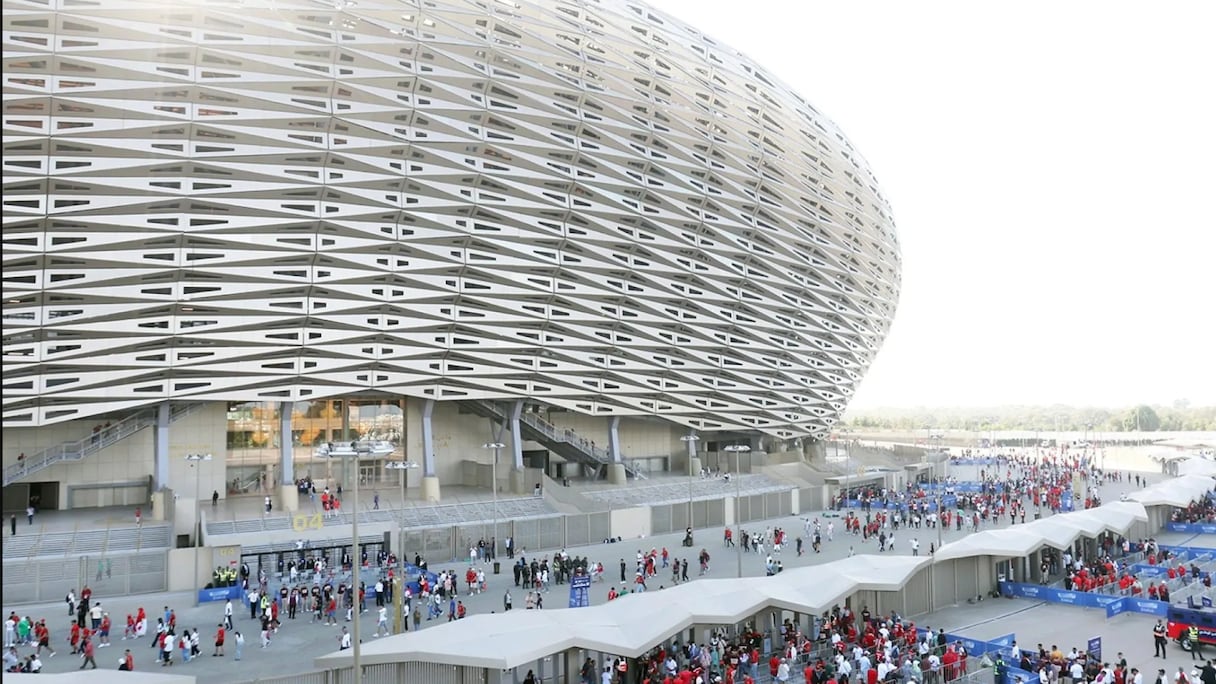
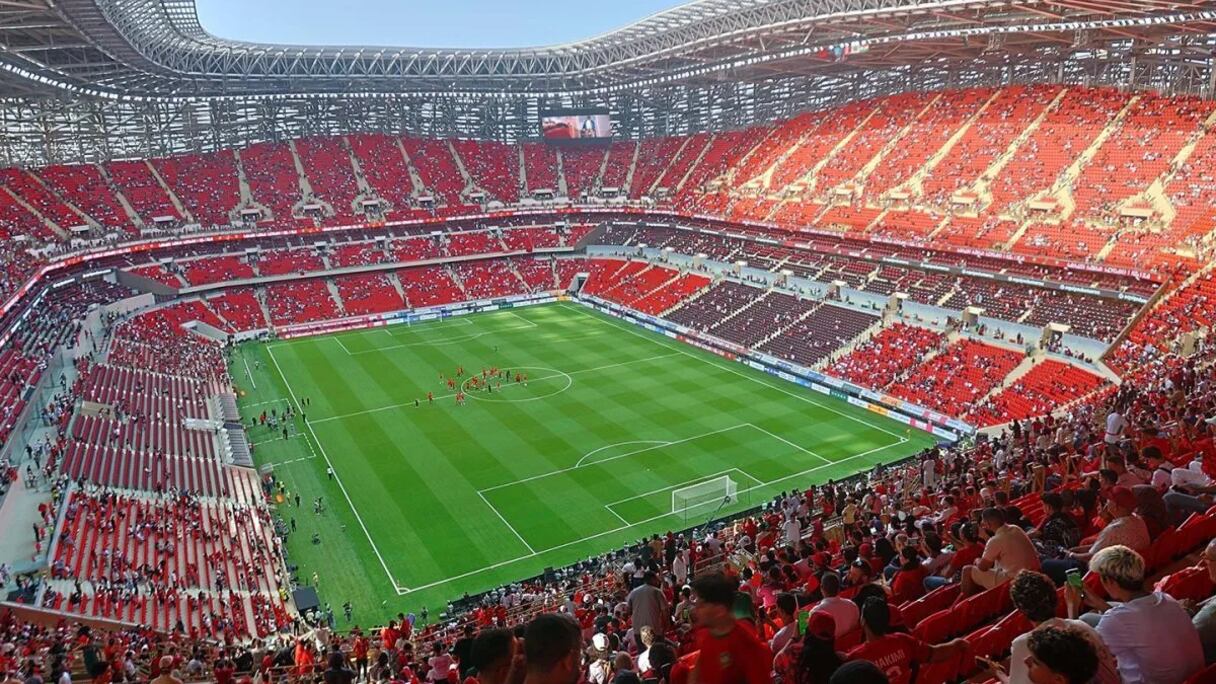
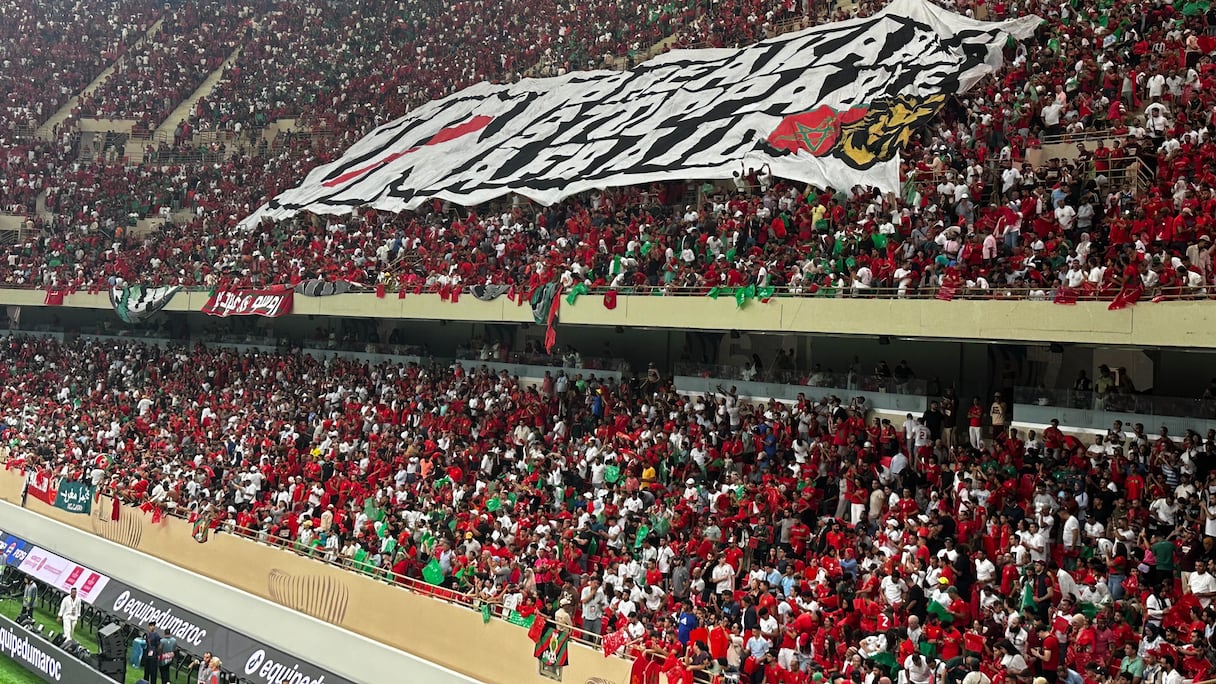
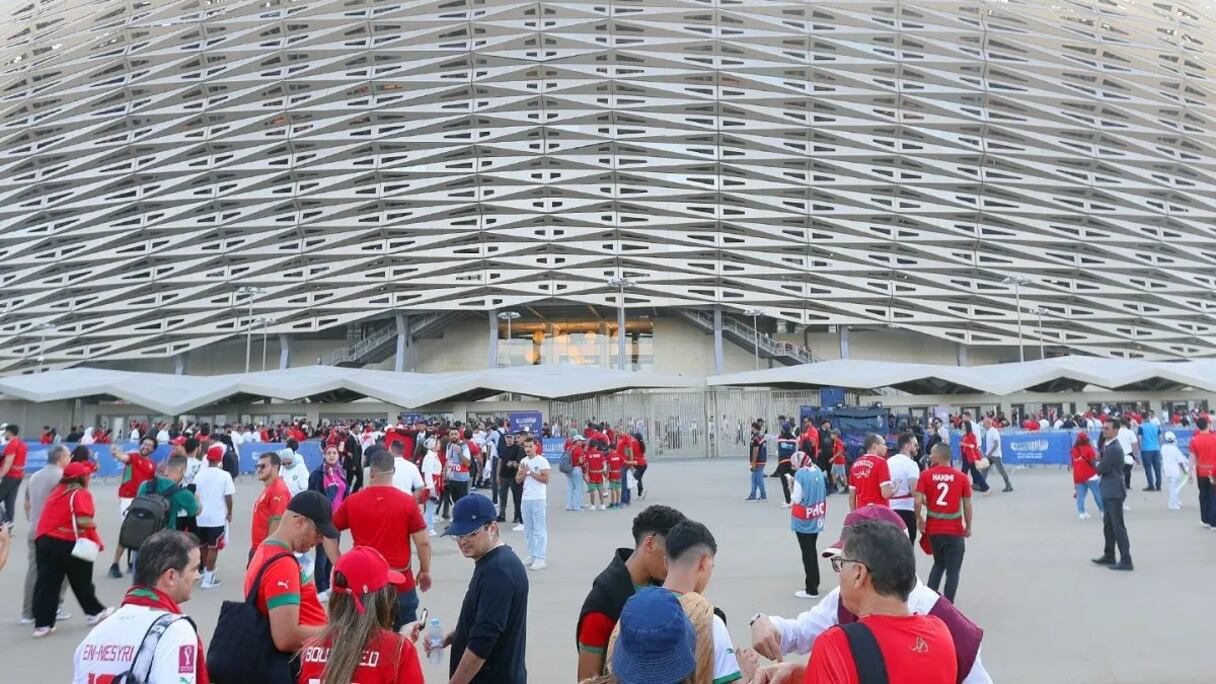


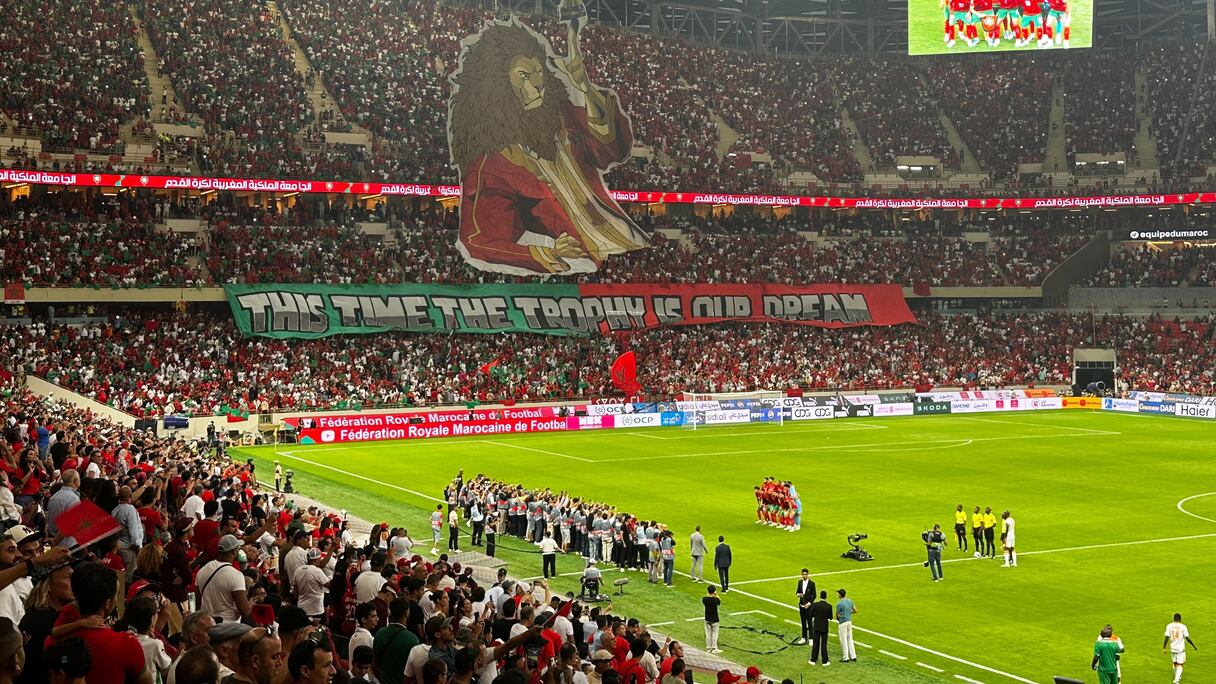


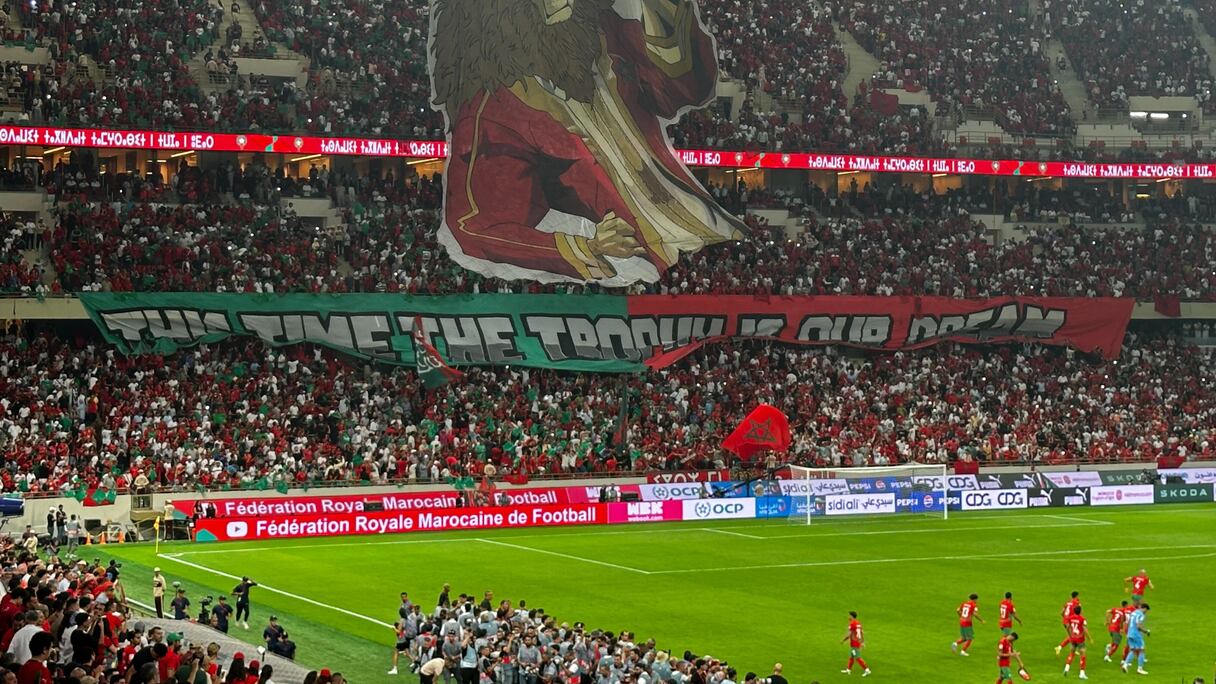
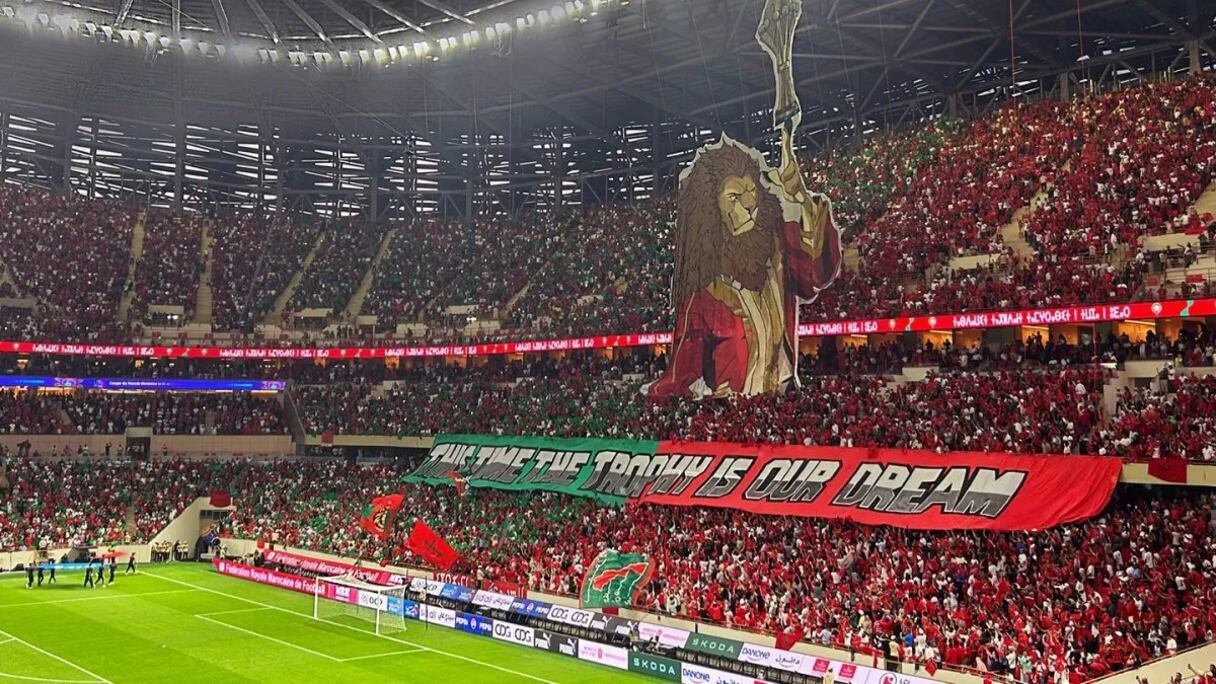
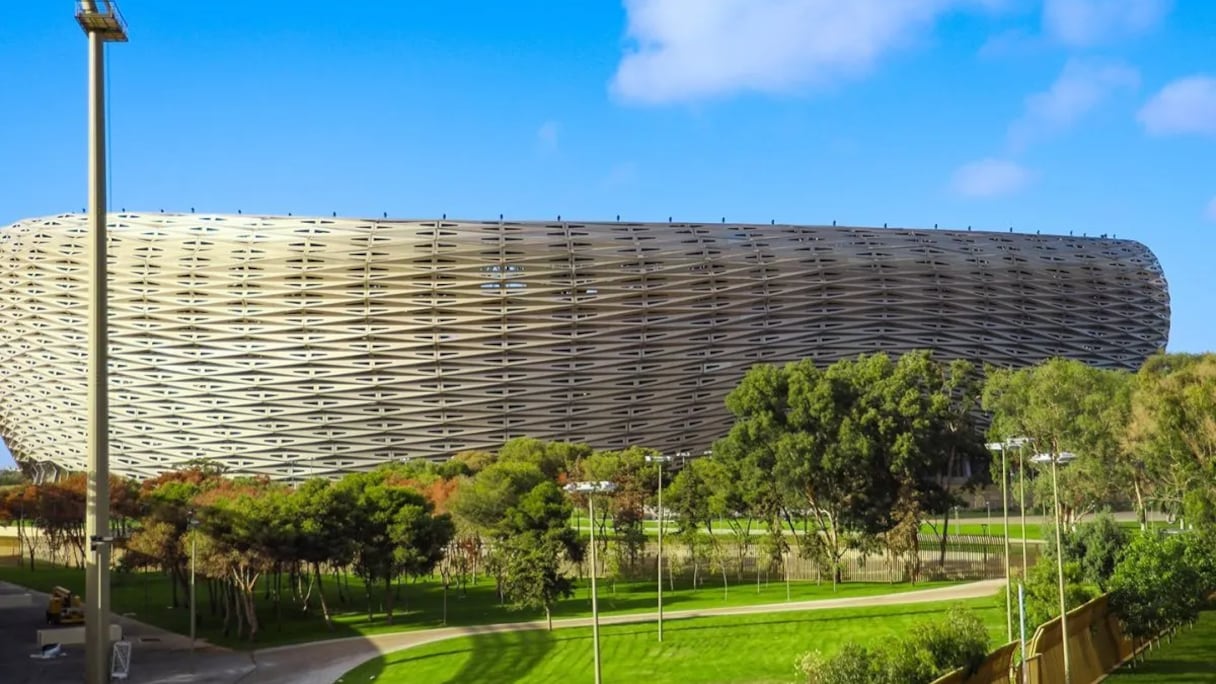
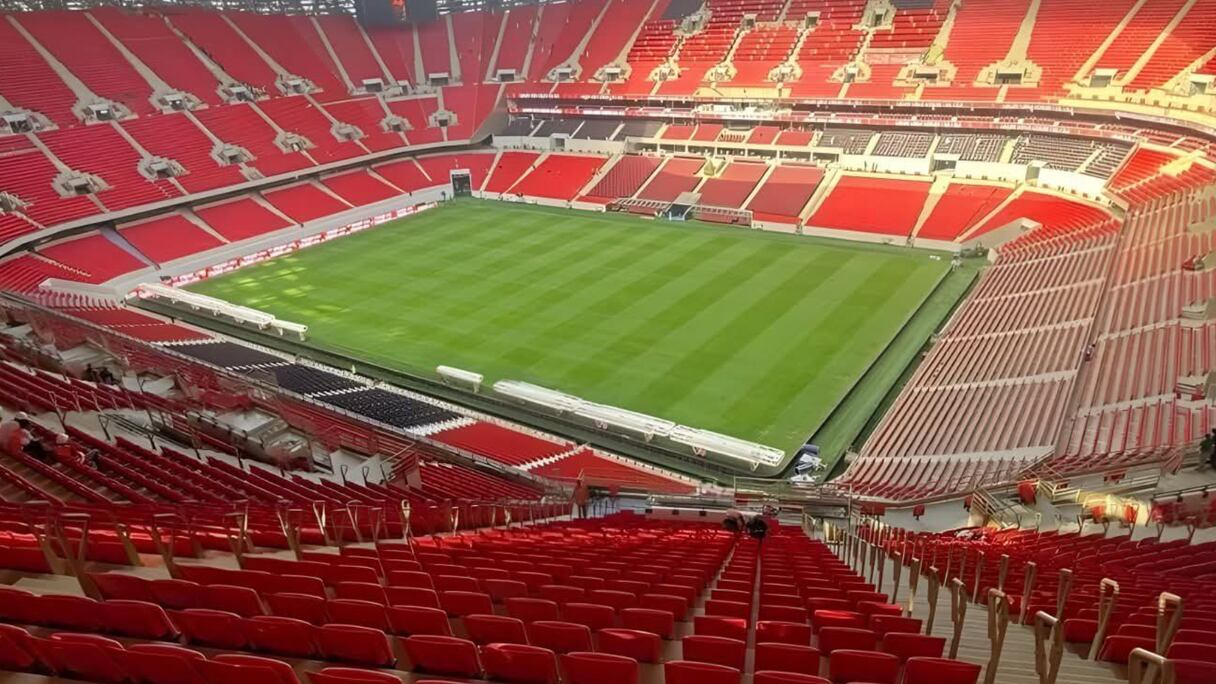
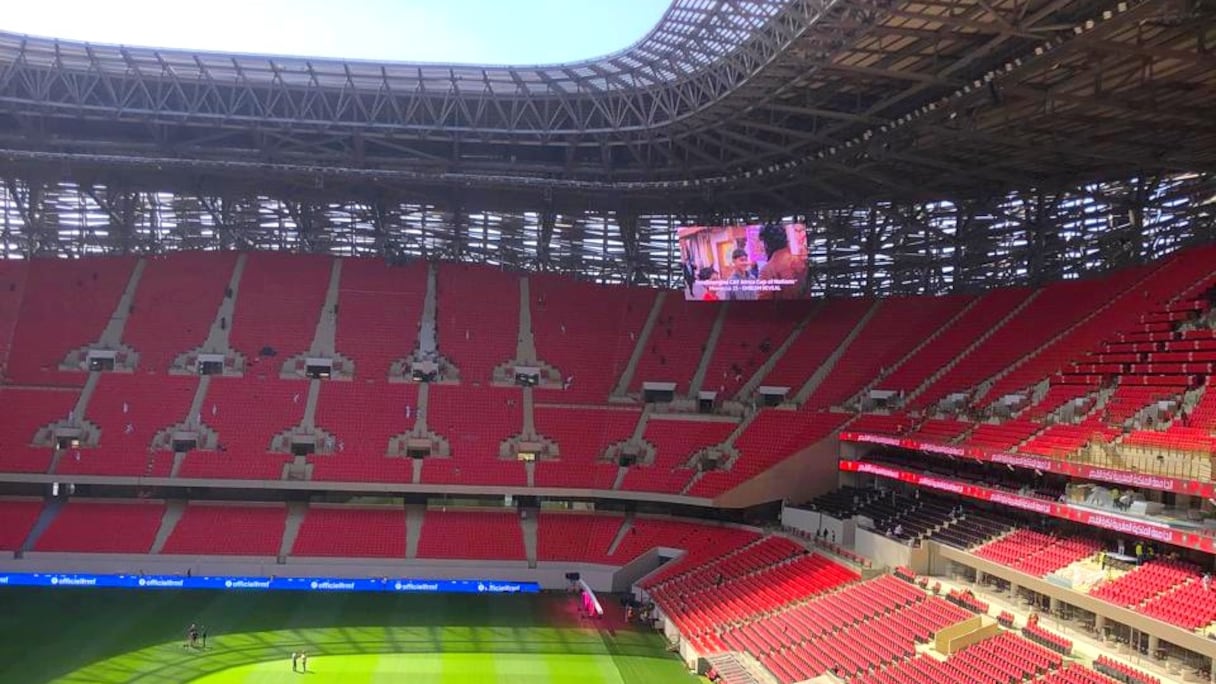
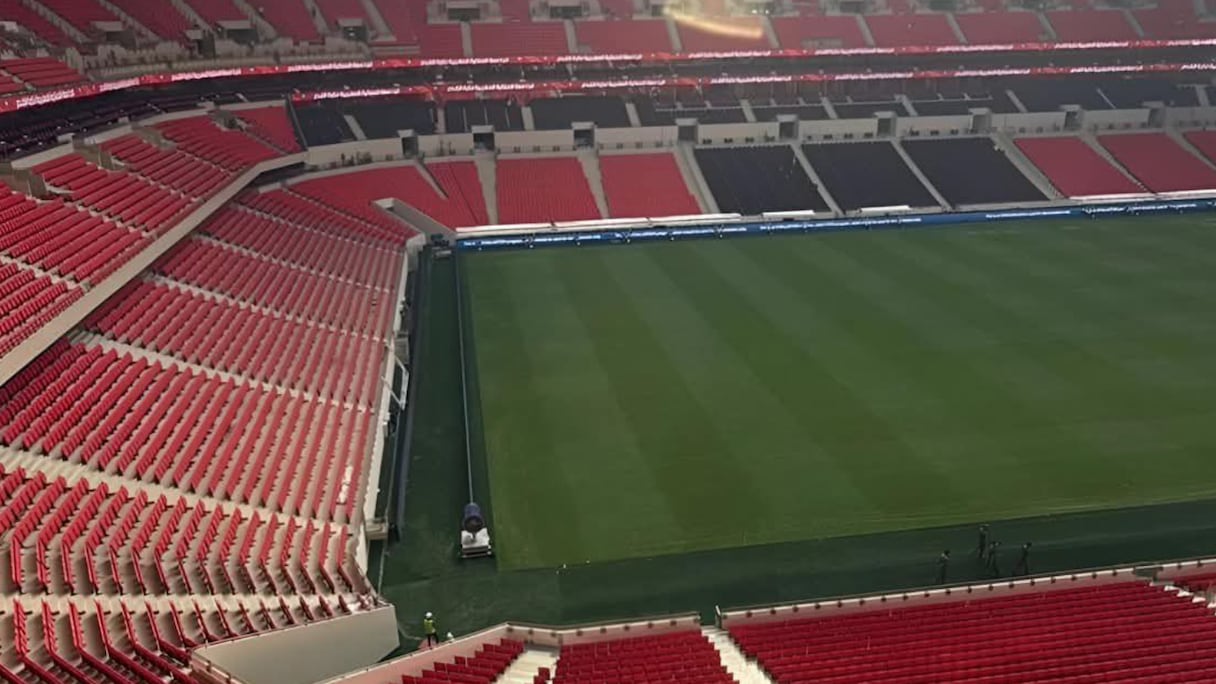
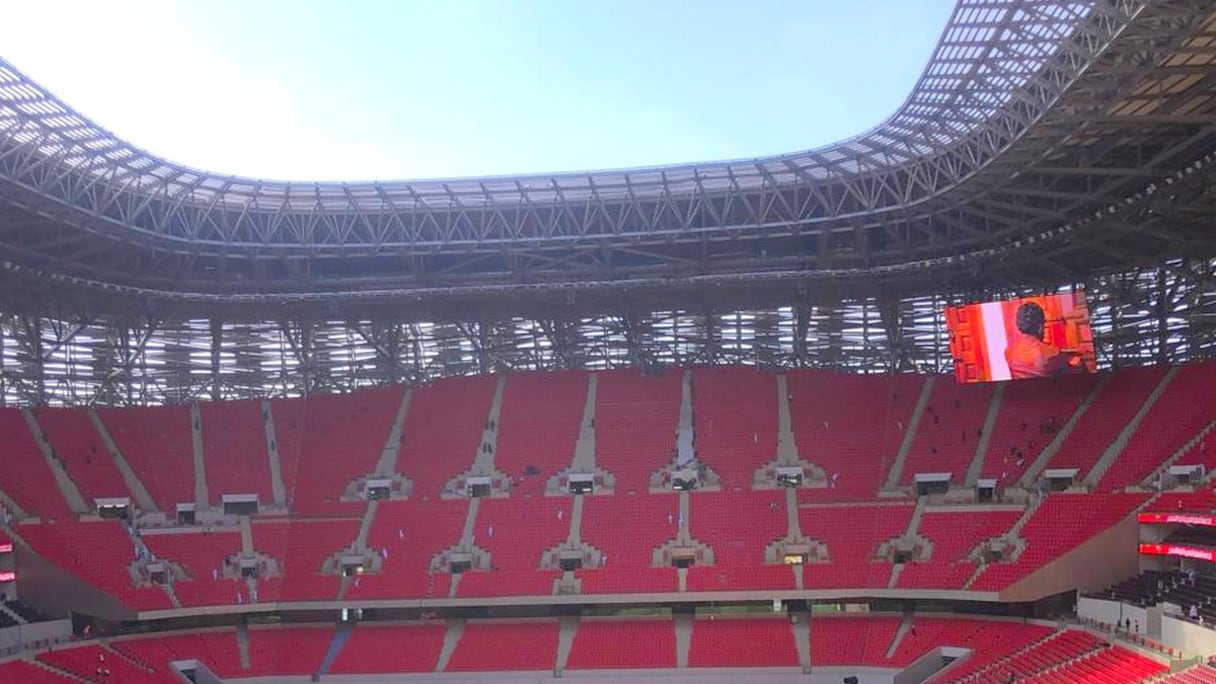
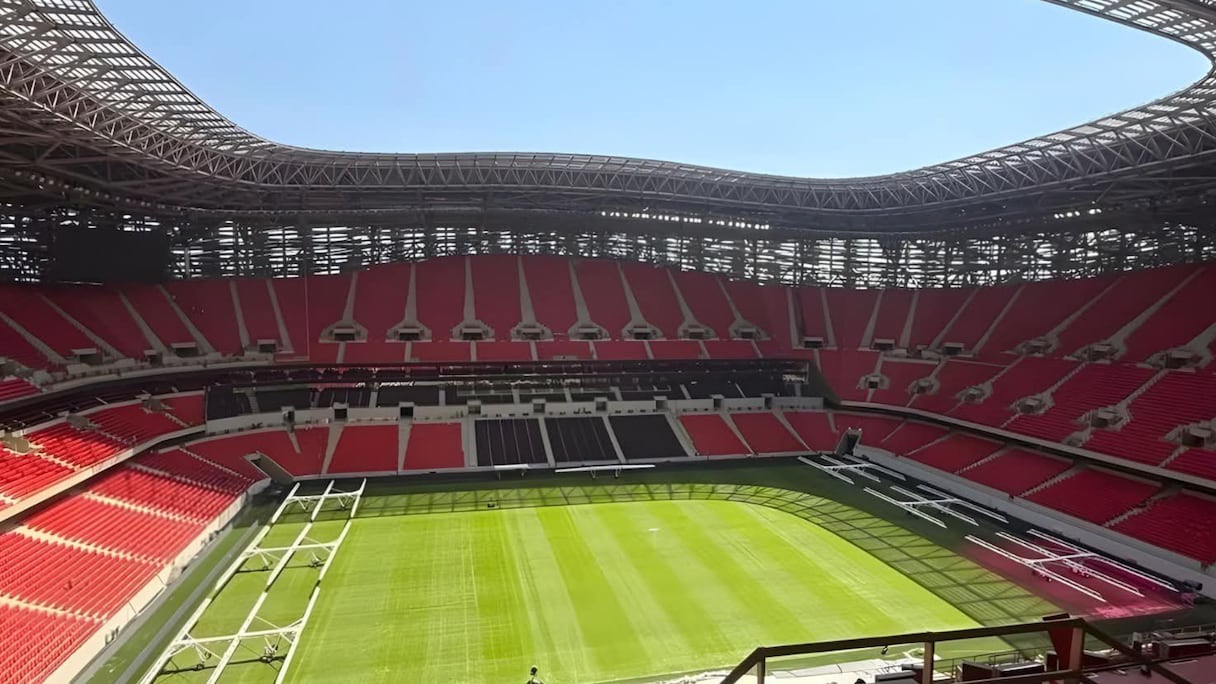
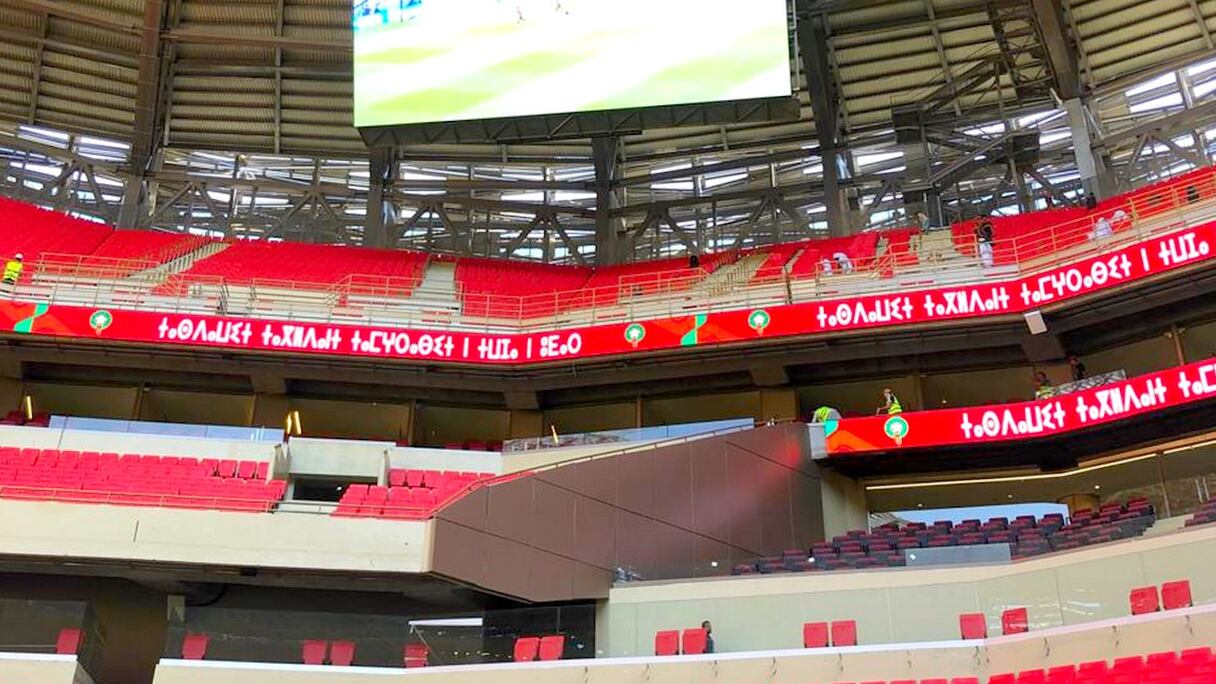
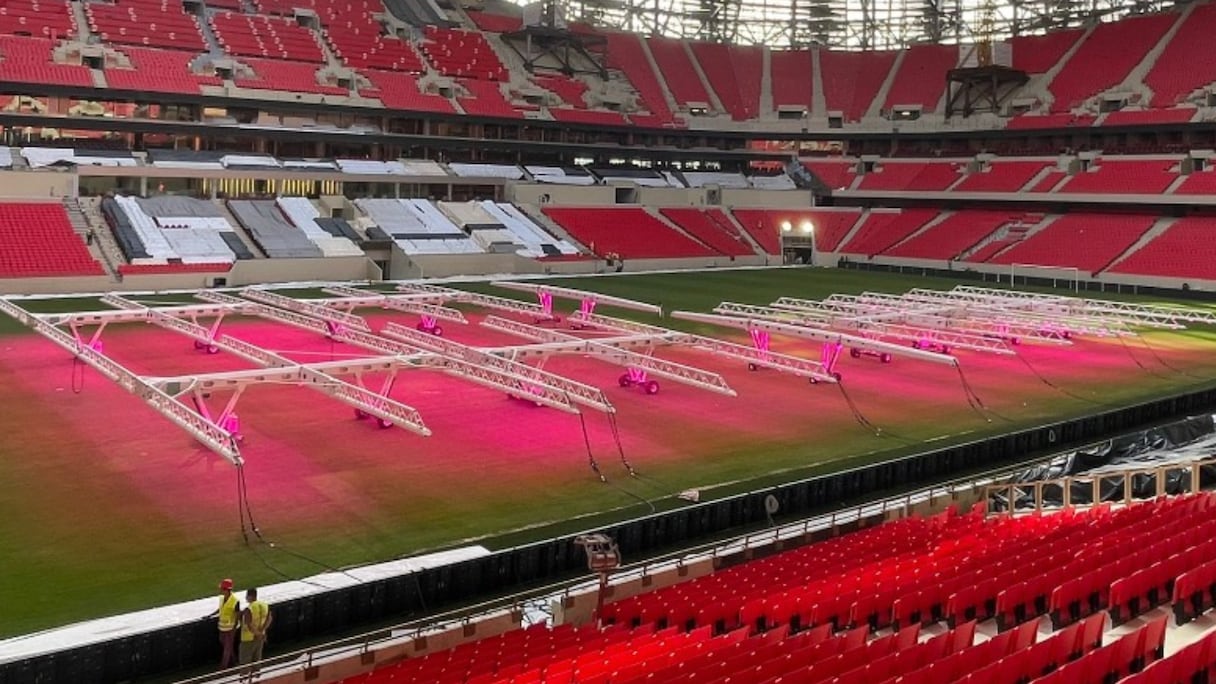
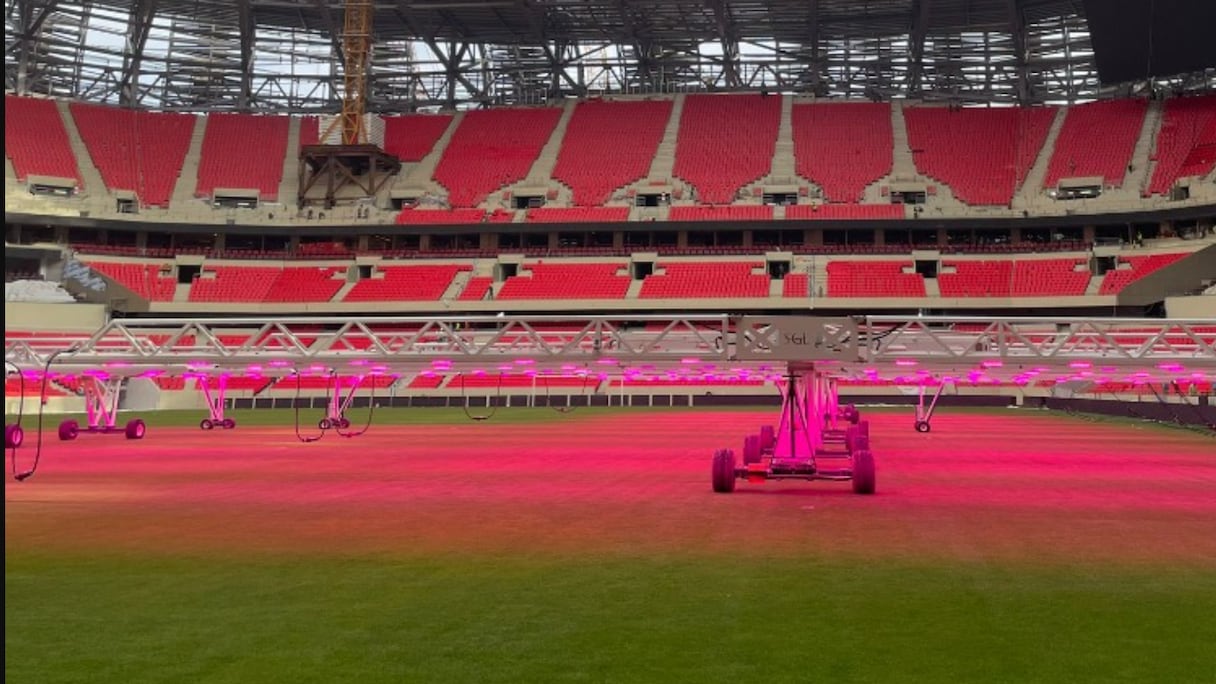
El Complejo Deportivo Príncipe Moulay Abdellah de Rabat.
Tangier Grand Stadium reopened on November 14, 2025, following its own major redevelopment.
Now seating 75,000, it also lost its athletics track and gained stands closer to the pitch, with the entire seating area covered.
The stadium hosted several AFCON 2025 matches, including a semifinal.
Its facilities include a 210-seat VVIP section, 1,300 VIP seats and 142 boxes across three levels. Four changing rooms are equipped with massage, cryotherapy and warm-up facilities.


Grand stade de Tanger. Le360
