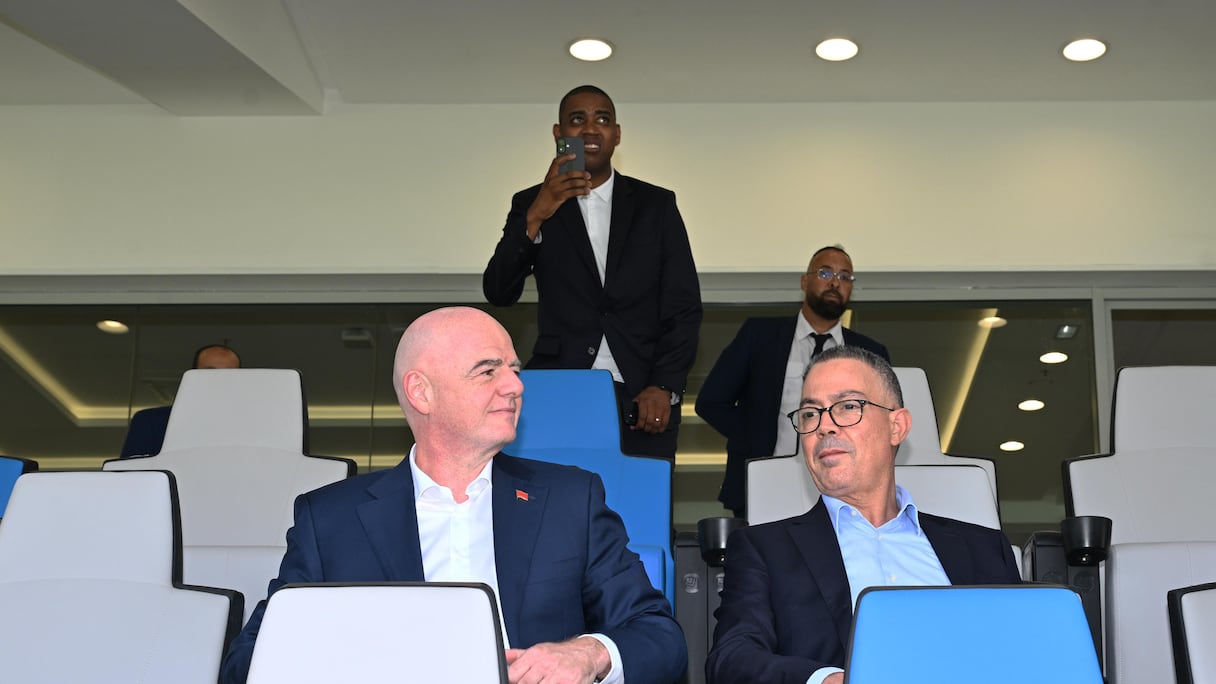
Four years ahead of the World Cup, which Morocco will co-host with Spain and Portugal, the government is laying the groundwork for the competition’s tax framework. Under the 2027 Finance Bill, FIFA, its subsidiaries and a wide range of other participants would benefit from a preferential tax regime covering everything from tax and customs exemptions to reduced taxes on payments to players and officials. The measures extend well beyond FIFA itself.
Some of these measures could remain in force until December 31, 2032, two years after the tournament. The bill also provides for permanent tax benefits for a potential World Cup Legacy Fund.
While the scope of these provisions may be striking, they are not unprecedented in World Cup history. For decades, host countries have regularly adjusted their tax laws to meet commitments made to FIFA.
South Africa paved the way in 2010
As the first African country to host the World Cup, South Africa had already reworked its legal framework to meet the organizers’ requirements.
In 2006, four years before the tournament, Pretoria adopted two special laws dedicated to the World Cup, alongside amendments to its tax legislation.
These provisions established special tax treatment for FIFA and several organizations involved in the competition. They facilitated the import of equipment needed to organize the tournament and introduced tax benefits for various categories of participants.
The principle was the same as the one reflected in Morocco’s current Finance Bill: allowing organizers to operate under a special tax regime during preparations for the tournament and throughout the competition.
Brazil 2014: A precedent closely resembling Morocco’s plan
The closest parallels with Morocco’s proposed framework can be found in Brazil.
To host the 2014 World Cup, the South American country enacted Federal Law No. 12,350 on December 20, 2010, granting FIFA and several entities associated with the tournament extensive tax and customs exemptions.
The measures covered taxes on the profits of certain entities, withholding taxes, import duties and several federal contributions.
The benefits extended beyond FIFA’s own offices. Participating national associations, confederations, the official broadcaster and certain commercial partners could also qualify, subject to specific conditions.
Brazil also exempted certain payments to players, referees and non-residents directly involved in the tournament from income tax. Volunteers received special tax treatment as well.
Read also : U.S. to host first-ever FIFA Women’s Club World Cup in 2028
Another similarity with Morocco’s plan concerned goods imported for the competition. Under certain conditions, these could be re-exported or transferred to sports, social or charitable organizations without losing their customs exemptions.
The Brazilian regime nevertheless had limits. Certain commercial transactions, including ticket and package sales, were not covered by all exemptions from federal contributions.
Morocco’s 2027 Finance Bill, by contrast, provides for VAT exemptions with the right to deduct input VAT on ticket sales made by or on behalf of designated entities.
Brazil’s tax benefits remained in force until December 31, 2015, one year after the tournament. Morocco is considering a longer period for certain entities, extending to the end of 2032.
Russia 2018 and Qatar 2022: Two other FIFA-friendly models
Four years after Brazil, Russia also established a special legal framework for the 2018 World Cup.
Federal Law No. 108-FZ, adopted on June 7, 2013, set out the conditions governing the activities of FIFA and the various parties involved in the competition. It was accompanied by specific tax and customs provisions.
Qatar also adopted special legislation for the 2022 World Cup, notably through Law No. 10 of 2021.
The Qatari authorities granted exemptions to all 32 participating national associations.
The comparison with Morocco requires an important qualification. At the time of the 2022 World Cup, Qatar had no VAT and did not levy a general tax on salaries comparable to Morocco’s personal income tax.
Some of the benefits enjoyed by tournament participants therefore stemmed directly from Qatar’s tax system, independently of the special provisions adopted for the competition.
United States 2026: A very different approach
The US model differs from those of previous host countries. For the 2026 World Cup, co-hosted by Canada and Mexico, Washington did not adopt a sweeping federal law automatically granting the same tax exemptions to all parties involved in the tournament.
FIFA had already held tax-exempt status in the United States since the 1994 World Cup. That status did not automatically extend to participating national associations.
In spring 2026, several associations expressed concern about federal, state and local taxes that could apply to their tournament-related income.
Read also : FIFA opens bidding for 2030 World Cup broadcast rights in the U.S. and Puerto Rico
By late April, a solution had emerged following discussions with the US Treasury. National associations could individually seek tax-exempt recognition under US tax law governing nonprofit organizations.
This was not a blanket exemption automatically granted to all 48 participating teams.
Players remained, in principle, subject to US rules on income earned from their sporting activities in the country, subject to applicable tax treaties.
Another major difference is that US states and local authorities have their own tax rules. A federal exemption does not necessarily mean that an individual or company is exempt from local taxes.
Within the North American co-hosting trio, approaches also differed. Mexico adopted a much broader system of federal tax exemptions for FIFA and designated parties involved in the tournament.
Morocco 2030: A framework extending beyond FIFA
Morocco’s proposal follows a well-established practice in World Cup history, but stands out for the range of beneficiaries and taxes covered.
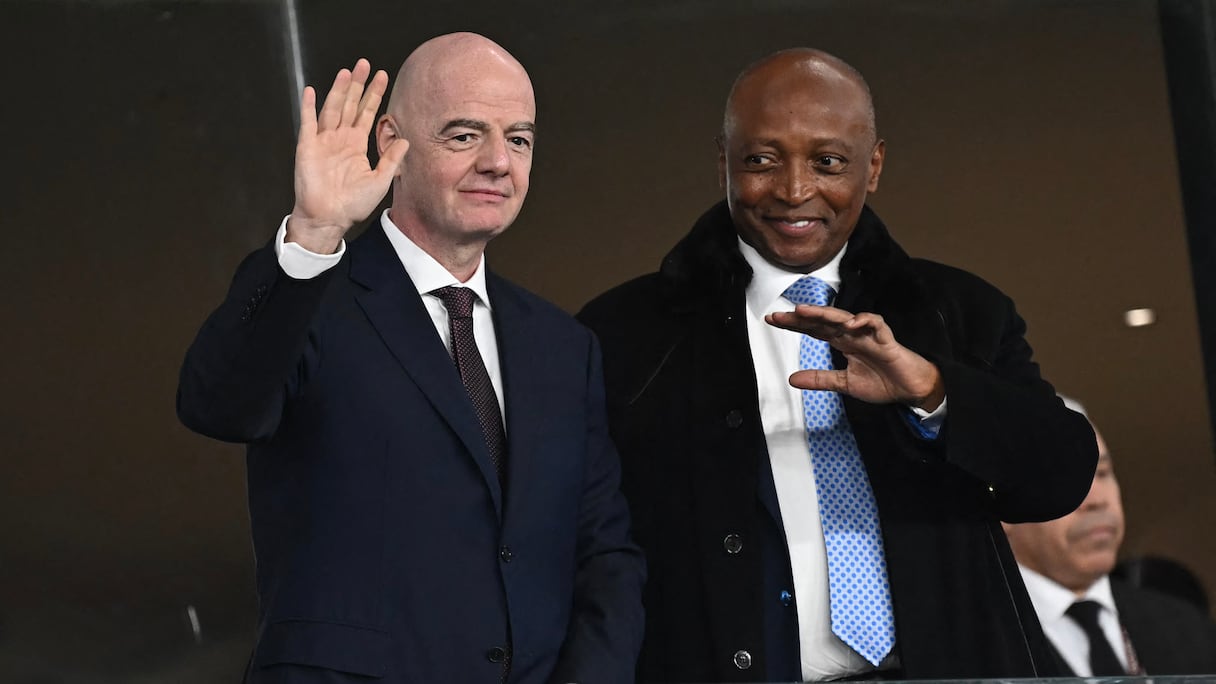
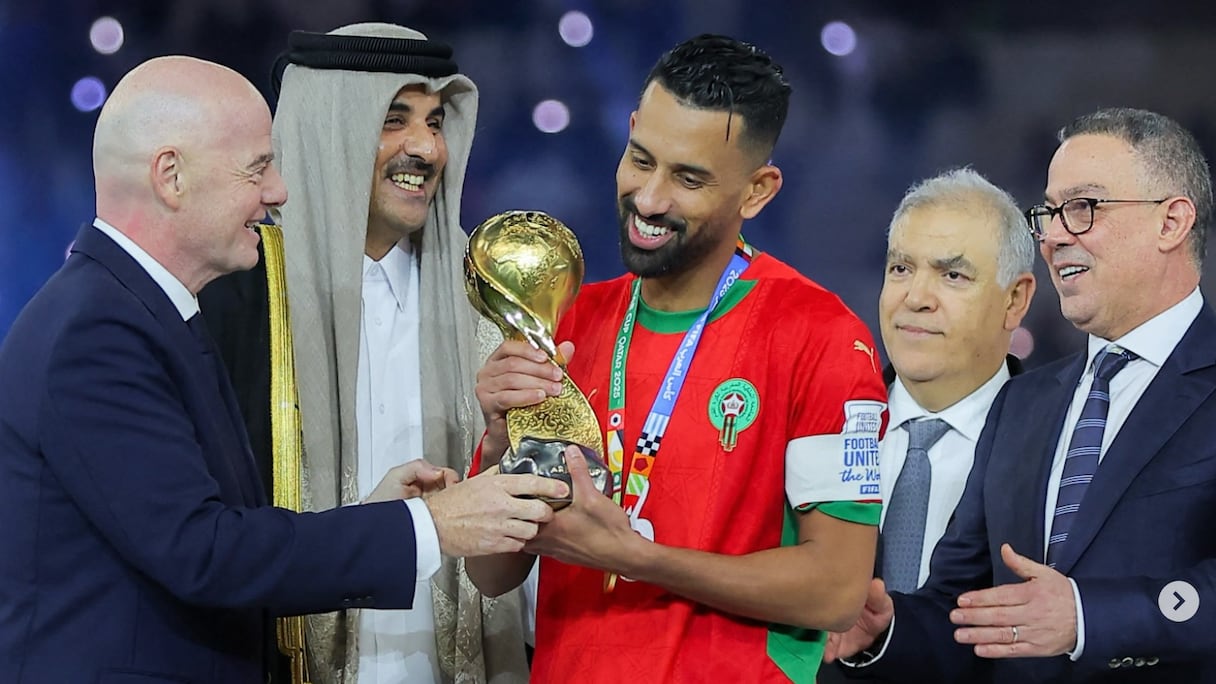
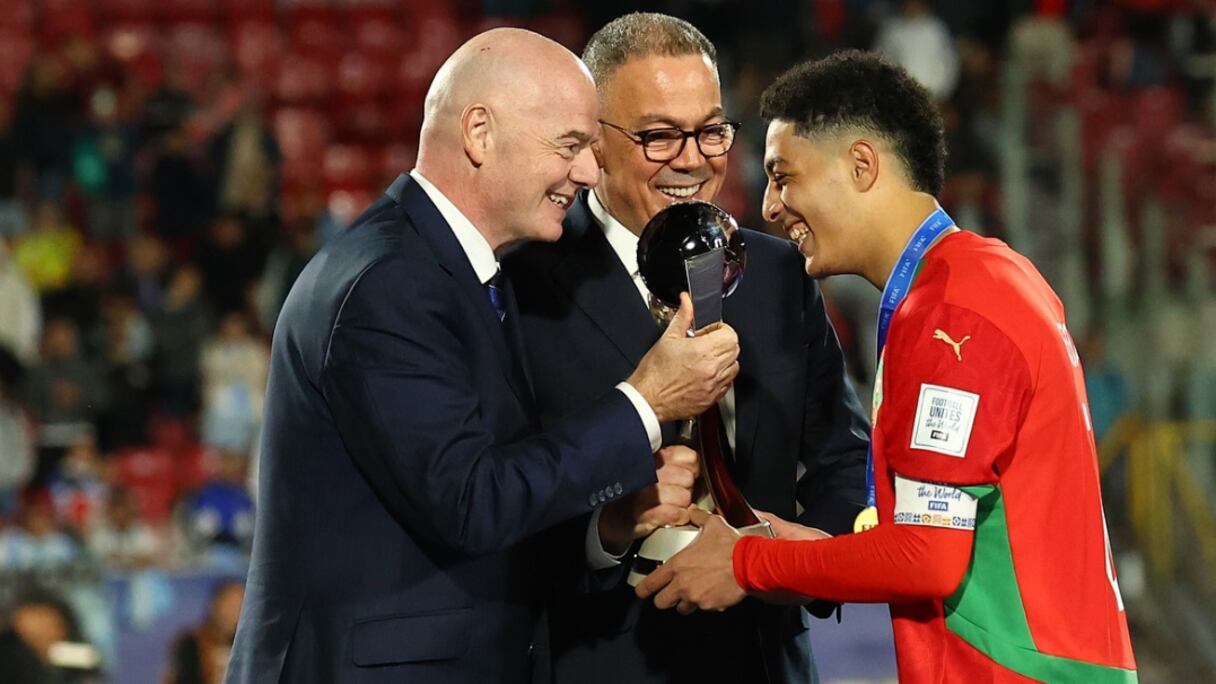
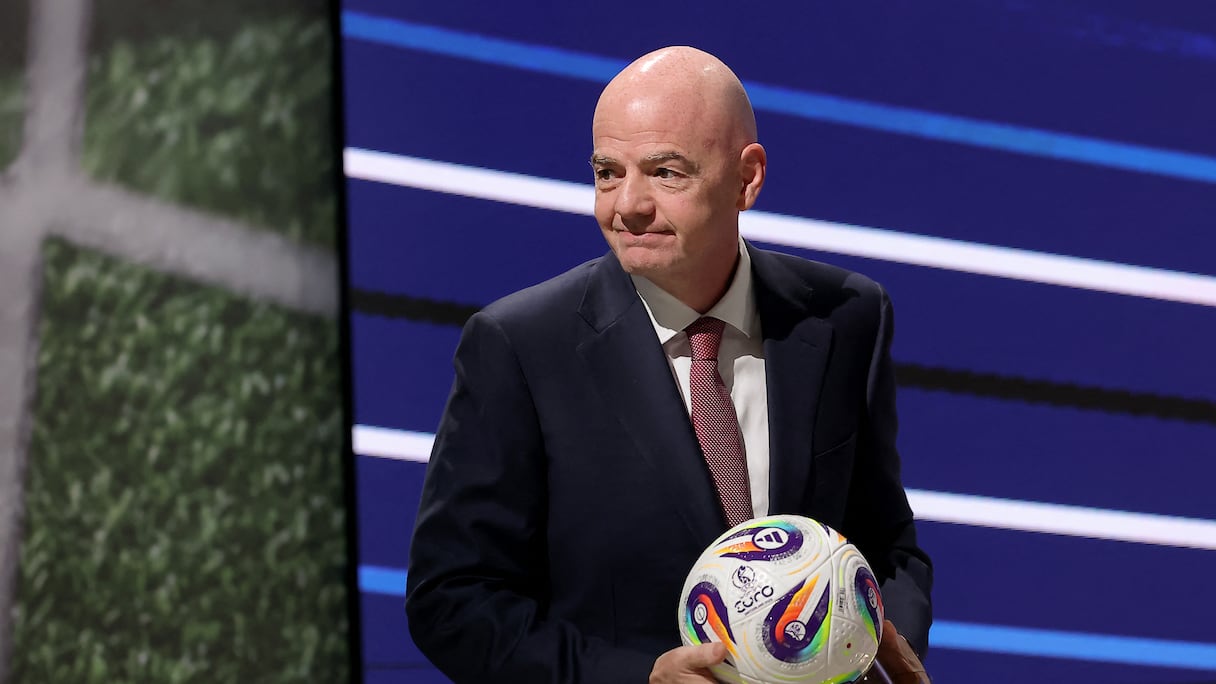
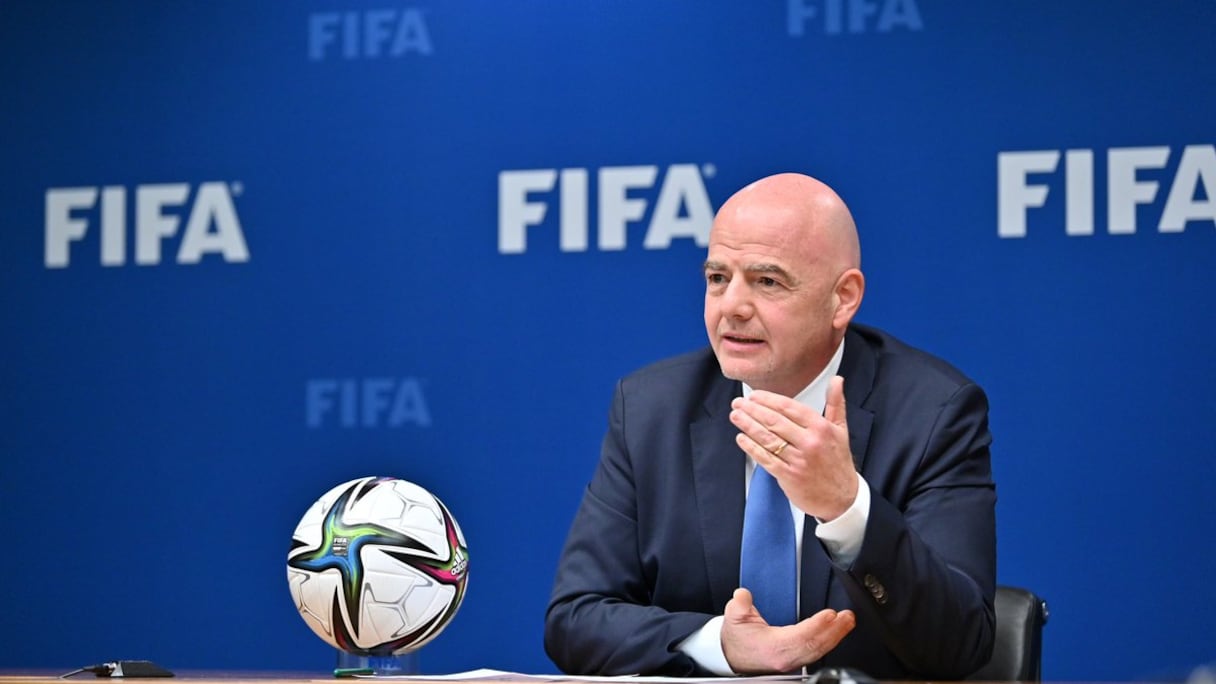
In addition to FIFA and its organizing structures, the proposed provisions cover the Royal Moroccan Football Federation, host associations, participating national associations, broadcasters, service providers, contractors and several commercial partners.





Getty Images via AFP
The bill also provides for personal income tax exemptions on bonuses, salaries, allowances and prize money paid to non-resident players in connection with the competition.
Officials and certain people assigned to work on the tournament would receive special tax treatment, as would volunteers, whether or not they reside in Morocco.
The proposed regime also covers VAT, customs duties, registration and stamp duties, as well as certain taxes on insurance, vehicles and air transport.
One provision deserves particular attention. For FIFA and certain affiliated entities, the Finance Bill stipulates that exemptions would apply regardless of compliance with the arm’s-length principle and transfer pricing rules.
This is a particularly favorable provision, with no equally explicit counterpart in the Brazilian or US frameworks.
The bill also envisages a permanent tax regime for a potential Legacy Fund that FIFA could establish to finance sports, social and environmental projects after the tournament.
The question of the cost to public finances
Previous World Cups show that tax benefits for FIFA have become a recurring practice. They also raise a key question: how much do these exemptions actually cost host countries?
Read also : Netflix secures exclusive 2030 World Cup broadcast rights in Spain and Andorra
Morocco’s 2027 Finance Bill specifies the beneficiaries, the taxes covered and the periods during which the measures would apply, but provides no overall estimate of the resulting tax revenue losses.
Brazil had introduced mechanisms to estimate and offset certain revenue losses linked to social security contributions. These did not, however, establish the total cost of the benefits granted for the 2014 World Cup.
One thing is clear from previous editions: Morocco will not be the first country to offer FIFA a favorable tax regime. It is following a tradition established by several previous hosts, with a framework that most closely resembles the one Brazil adopted in 2014.
Morocco’s approach stands out instead for the breadth of the proposed measures, the variety of parties covered and the possibility of extending the benefits until two years after the tournament.
The final version to be adopted by Parliament remains to be seen, along with the actual financial impact of these tax advantages on state revenue.
