I had a dream. In my midsummer night’s dream, the Botola had 20 clubs. Twenty strong, well-structured clubs, flush with the revenues of packed stadiums and their own training centers. Squads studded with stars, immaculate pitches, schedules known months in advance. Supporters bought their tickets on their phones, had lunch at the stadium before the match, stopped by the official club shop on their way out and returned a few days later to visit their club museum.
In my dream, the champions pocketed between €210 million and €235 million at the end of the season. Finishing first alone earned them around €62 million. Every club received more than €110 million as its fixed share of television and commercial rights. Several tens of millions more came on top of that depending on the number of matches broadcast. In Morocco, football had become an industry.
Then I woke up. I had simply been dreaming of the Premier League.
It was probably a bad idea, then, to look at the figures for our Botola. Not because the Moroccan league should be expected to compete with the most powerful league on the planet. That comparison would be absurd. But because it helps us understand what truly makes a professional competition powerful.
The 20 English clubs generated £6.8 billion in revenue in 2024-2025. Their new television rights deal is worth £6.7 billion over four years. In England, professional football sells matches, but also season tickets, advertising, hospitality, shirts, stadium tours, food and drink, content and a brand exported around the world.
Here, the LNFP has just announced consolidated revenue of 965 million dirhams (€90 million) for the 16 Botola Pro clubs. Perhaps that is where the real debate lies.
Read also : 20-Team Botola? UMFP joins expansion push as questions over the league’s readiness mount
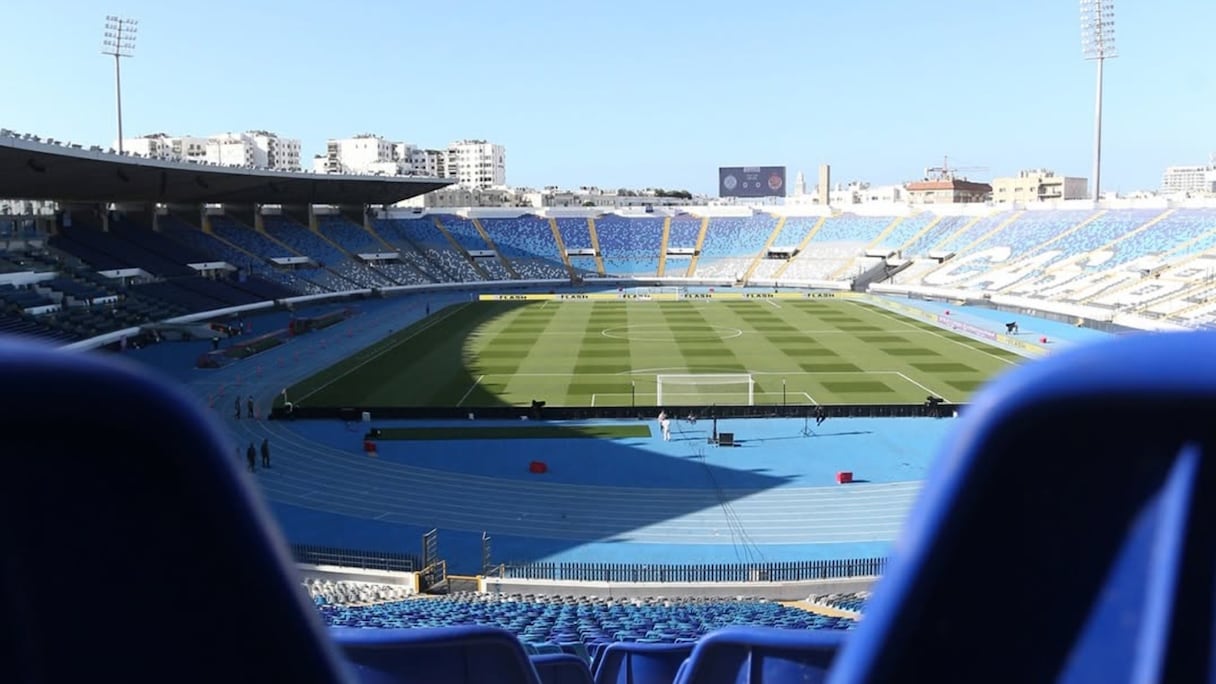
Morocco is building and renovating magnificent stadiums. Moulay Abdellah, Mohammed V, Tangier, Fez, Marrakech, Agadir… We will soon have infrastructure capable of hosting the world’s biggest international competitions. But how many of our clubs today know how to turn a stadium into a permanent source of revenue? How many have a genuine strategy for ticketing, merchandising, hospitality, catering and events? How many publish sufficiently detailed annual accounts for us to know precisely what their business is worth?
In England, hotels, shops, museums, restaurants and fan areas are developed around stadiums. Here, there are still times when a club does not know, just a few days in advance, which stadium will host its next match.
And it is precisely at this moment that Moroccan football has found its great topic of the summer: expanding the Botola to 20 clubs. Some presidents are calling for it. Coaches have followed suit. The Moroccan Union of Professional Footballers has now come out in favor of expanding both the first and second divisions. The issue is now making its way into discussions between the LNFP and the clubs.
Why not 20? But why 20? That is the question to which no one has yet provided a sufficiently convincing economic, sporting or organizational answer.
Today, with 16 teams and 30 matchdays, our calendar starts to unravel as soon as several clubs progress in African competitions. There are FIFA dates to accommodate, national teams, postponed fixtures and the Throne Cup, which we regularly struggle to fit into a normal season. With 20 clubs, there would no longer be 30 matchdays, but 38. That means eight additional matches per team and 64 more fixtures to squeeze into the season.
Read also : A 20-team Botola? Not so fast
Where? When? With what squads? In which stadiums? The question is hardly incidental at a time when some of the Kingdom’s venues are undergoing work related to 2030 and some clubs are already having to play away from home temporarily.
We are also told that four additional clubs would create jobs for footballers. Arithmetically, that is true. Four more teams mean dozens of additional professional contracts. But someone still has to pay for them.
Our football still carries the burden of unpaid wages, contractual disputes and clubs whose finances already make it difficult to honor their existing commitments. Adding eight matchdays also means additional travel, hotels, bonuses, organizational costs and, most likely, larger squads. Creating jobs is an excellent thing. Creating contracts that clubs cannot honor is another.
Then there is what happens on the pitch. Moroccan football has probably never had so much talent at its disposal. Yet when we look at the national team, how many players come directly from the Botola? A large part of our elite was developed in Europe. The Mohammed VI Football Academy has also succeeded in producing players capable of reaching the highest level quickly. Moroccan clubs, however, are still too few in number to regularly feed that pipeline.
Perhaps this is where reform should begin. Before looking for four additional clubs, let us look for four additional top-class academies. Then ten. Let us ask professional clubs to develop more players, sell them better, structure their sporting departments, commercially exploit “their” stadiums, professionalize their merchandising, increase their commercial revenues and publish transparent accounts.
Above all, let us ask ourselves how to turn the millions of Moroccans who follow the Botola into a genuine football economy.
The problem, then, is not the number 20. A 20-club league can work perfectly well. The Premier League has precisely 20 clubs. But it did not become the Premier League because it has 20 clubs. That is the whole difference.
You can put twenty names in a league table. It will not create more lucrative television rights, better-managed clubs, high-performing academies or profitable stadiums. We will simply have twenty clubs instead of sixteen. And if nothing else changes, four additional clubs with the same problems.
Morocco is spending billions today to prepare for 2030. Our stadiums are moving into another league. So is our national team. It would be a shame for our professional championship to approach its own transformation by starting with the last line of the problem: the number of participants. The Botola does not need to become bigger before it becomes stronger.
That night, however, I still wanted to believe in my twenty clubs, the packed stands, the academies, the millions in television rights and those presidents talking more about revenue than subsidies. So I stopped doing the math. And went back to sleep.