Morocco’s experience in energy transition was presented at the fifth session of Argentina’s Federal Climate Parliament (PFC), held recently in Salta in northern Argentina alongside the EU-Mercosur Federal Forum on “Climate Dialogues.”
Morocco’s ambassador to Argentina, Fares Yassir, was invited as a guest of honor and presented the main elements of the Kingdom’s strategy on renewable energy, decarbonization and sustainable resource management.
He said Morocco’s dependence on fossil fuels, combined with the effects of climate change and growing water scarcity, had led the Kingdom to make the energy transition a key part of its development model.
Under the leadership of King Mohammed VI, the Moroccan diplomat noted, the Kingdom began a major transformation in the early 2000s aimed at strengthening its energy and economic resilience.
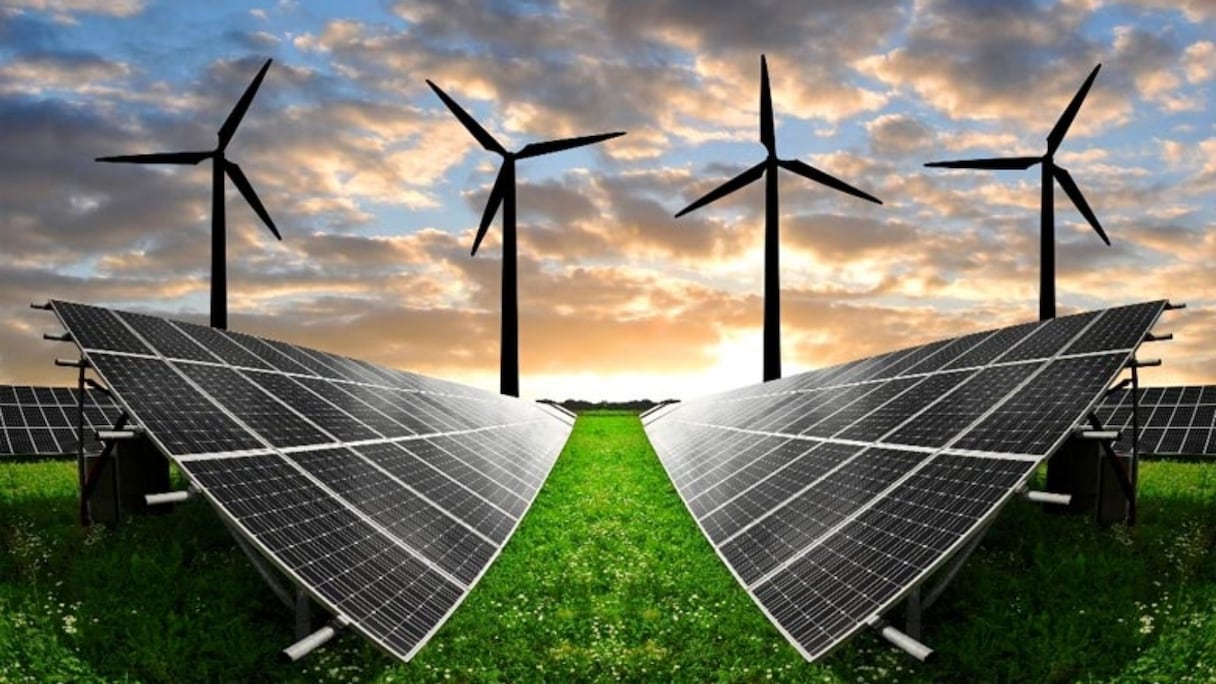
This approach has led to major investments in solar and wind power, with the goal of raising the share of renewable energy to 52% of installed electricity-generation capacity by 2030, he told participants.
Yassir also highlighted Morocco’s ambitions in green hydrogen, which is expected to become another driver of the Kingdom’s energy transition. Morocco has set a target of producing one million tons of green hydrogen per year by 2030.
He also stressed the key role of public and private investment, as well as international cooperation, in building a green and resilient economy.
“Political will and visionary leadership are essential” to the success of any development strategy aimed at combating global warming, he said. He also pointed to the growing convergence between Morocco’s climate policies and those of the European Union, notably through the Green Partnership between the two sides.
The Salta meeting brought together officials from parliamentary committees responsible for climate issues in Argentina’s various jurisdictions. Discussions also focused on developing a federal framework to address the challenges posed by climate change and support targets set for 2035 and 2050.
Following the discussions, PFC members expressed interest in Morocco’s experience, particularly its environmental legal framework. They are considering an institutional visit to Rabat in the near future to deepen interparliamentary dialogue on climate policies and energy transition and to see first-hand the progress made by Morocco in this field.
The visit would also allow the Argentine side to gain a better understanding of Morocco’s experience and contribute to discussions underway in Argentina on the preparation of a federal climate bill.
On the sidelines of the meeting, the Moroccan ambassador held talks with Salta Vice-Governor Antonio Marocco on prospects for developing economic and trade relations and ways to give them fresh momentum.
