The center, which is affiliated with Mohammed VI University Hospital, is now operating with 106 beds across several departments, including newly established units for adult and pediatric blood cancers.
Its director, Hayat Barkhli, a professor of anesthesiology and intensive care at the Faculty of Medicine and Pharmacy in Oujda, told Le360 that the center previously provided surgery, chemotherapy and radiotherapy, alongside an intensive care unit and a two-room operating suite.
The new facility has expanded that capacity and added services designed to cover more stages of cancer care.
Of the 106 beds currently available, 48 are in general surgery, 16 in chemotherapy and 16 in the adult hematology and blood cancer department. Another 15 beds are dedicated to pediatric hematology and blood cancers.
The center has also expanded its anesthesia and intensive care capacity from three beds in the former building to 10, while its surgical unit now has four operating rooms and a recovery room equipped for postoperative monitoring.
Read also : Morocco launches national breast and cervical cancer awareness campaign
The facility also includes an outpatient department with 10 consultation rooms covering different specialties, as well as a day-care unit divided into separate sections for children and adults. The pediatric section has beds and chairs for chemotherapy, while the adult section has multiple treatment stations as well as additional chairs and beds to handle demand.
1250 new cancer cases since January
The center’s activity figures show the scale of demand for its services.
Since January 1, 2026, around 1,250 new cancer cases have been registered at the center. About 6,000 patients are currently receiving care or follow-up, including newly diagnosed patients, those undergoing treatment and patients returning for regular monitoring after completing treatment.
During the same period, medical teams carried out nearly 14,000 consultations and examinations, around 12,000 chemotherapy sessions and close to 10,000 radiotherapy sessions. The center also recorded nearly 12,000 inpatient days, with about 2,000 patients requiring hospitalization.
Barkhli said the new building has also improved the center’s ability to provide examinations related to complementary treatment and follow-up care. But the facility is not yet operating at full capacity.
Read also : Cancer care in Morocco: Health Ministry reviews progress, sets new priorities for 2027–2029 plan
The center is currently working at between 60% and 70% of its operational capacity because of staffing constraints. Additional doctors, nurses and other healthcare professionals are needed before all departments can run at their full capacity.
Advanced imaging for diagnosis and follow-up
Radiology is another key component of the center’s cancer services.
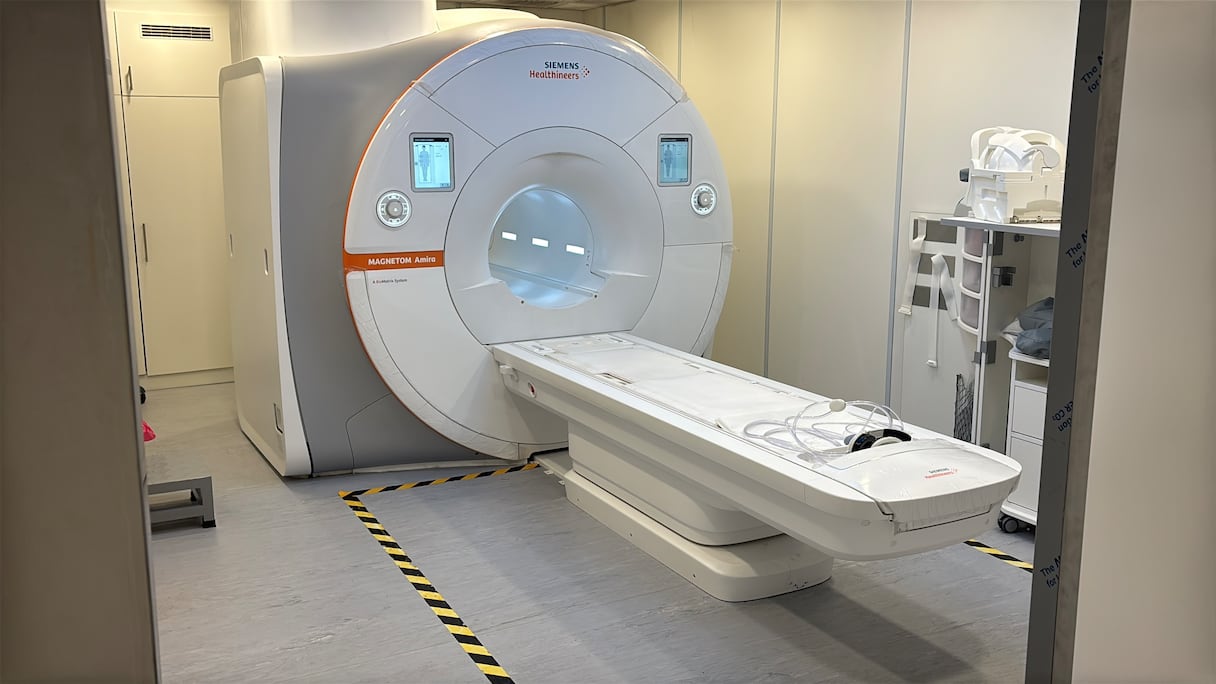
Hicham Benramdan, a radiology specialist at the center, said the department is equipped with a CT scanner, a 3-tesla MRI machine, ultrasound equipment and mammography systems.
These technologies are used for early cancer detection, particularly breast cancer during Breast Cancer Awareness Month in October, as well as for diagnosis and staging.
The imaging department also helps doctors monitor patients throughout chemotherapy and radiotherapy and guides the collection of samples and biopsies needed for pathological diagnosis.
Intensive care and surgery
The intensive care and anesthesia department currently has 10 beds, although only four are in operation pending additional staff.
Hamza Mimouni, an assistant professor of intensive care and anesthesiology, said the department plans to increase its operating capacity to six beds before eventually reaching its full capacity once staffing is strengthened.
Since the center began operating, about 140 patients have received intensive care there, in addition to anesthesia services provided for surgical procedures in coordination with the surgery department.
Read also : More than 2,000 people benefit from multidisciplinary medical caravan in Tinejdad
The surgical complex has four equipped operating rooms and a six-bed recovery room where patients are monitored immediately after surgery.
The department also provides care for patients receiving palliative treatment, with a focus on managing complications and improving quality of life. Its services include pre-anesthesia consultations to assess patients and determine the appropriate anesthesia plan, as well as specialized consultations for managing acute and chronic pain linked to cancer or its treatment.
The Hassan II Regional Oncology Center’s expansion has increased Oujda’s capacity to provide cancer care to patients from across the Oriental region. But with much of the new facility’s capacity still dependent on additional staffing, the center’s next challenge is making full use of the services and equipment now available.
