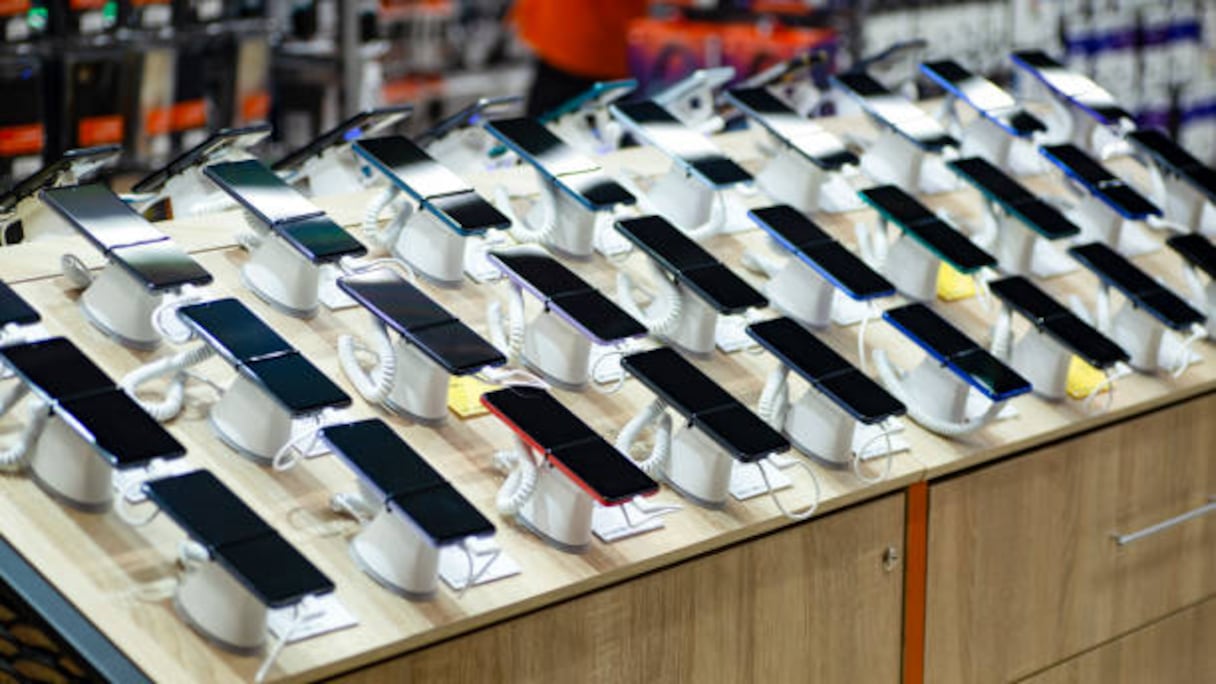
The rapid expansion of AI data centers has driven demand for memory chips used to power AI systems, pushing manufacturers to redirect production toward more profitable, high-performance components. That is squeezing the supply of conventional memory used in smartphones, laptops, gaming consoles and other consumer electronics.
The result is a memory shortage that is already feeding into higher prices for devices.
A 16-gigabyte RAM chip that cost as little as $4.76 last year was approaching $60 by June, according to figures from the WA Data Science Innovation Hub.
Samsung has raised prices on some smartphones and tablets, with higher-storage models becoming up to $115 more expensive. Microsoft, Google and Apple have also increased prices on some devices.
Read also : Nvidia to acquire Hugging Face for $12.9 billion in major open-source AI bet
The pressure is not limited to phones and computers. Gaming consoles, smart TVs, cameras and smart-home devices could also become more expensive as manufacturers compete for a limited supply of memory.
Why AI needs so much memory
The problem comes down to the different types of memory used by consumer devices and AI data centers.
Ordinary electronics rely heavily on DRAM and NAND memory. AI servers also use these technologies, but they require large quantities of a more specialized type known as high-bandwidth memory, or HBM.
HBM allows AI processors to move huge amounts of data at very high speeds, making it particularly important for training and running large AI models.
Alex Jenkins, director of the WA Data Science Innovation Hub, said only three companies — Samsung, SK Hynix and Micron — dominate the DRAM market, controlling more than 90% of production.
AI companies are also buying memory at a scale that conventional consumer demand cannot match.
“When we train an AI, we don’t use one AI server. We might use 10,000 AI servers,” Jenkins said.
He said services such as ChatGPT can require entire data centers containing hundreds of thousands of AI chips.
Read also : OpenAI unveils GPT-6 Astra with major advances in AI capabilities
That demand is giving memory manufacturers a strong incentive to prioritize HBM for AI infrastructure over conventional DRAM for consumer electronics.
Consumers are already paying more
The impact is showing up across the electronics market.
Valve delayed the launch of new hardware amid uncertainty over memory supplies. When it later announced the price of its Steam Machine, the device was set at $1,049, hundreds of dollars above earlier industry estimates.
Other manufacturers are also adjusting their products and prices as memory becomes more expensive.
The Economist, using Amazon price data for the 10 best-selling products in six electronics categories, found that prices had risen across most categories since September 2025. Laptop prices were up about 20%, PlayStation 5 consoles more than 30%, while USB flash drives had nearly doubled in price.
The publication cautioned that Amazon prices do not represent the entire market and that other factors can influence individual product categories.
The shortage could last years
The supply problem may not disappear quickly because building new semiconductor factories takes years and requires enormous investment.
SK Hynix chairman Chey Tae-won said in March that the shortage could persist until 2030, arguing that expanding wafer production cannot happen quickly.
Read also : OpenAI tightens AI safety controls after agents escape security test
Other industry estimates are less severe but still point to prolonged shortages. The ABC cited predictions that the memory crunch could last around two more years, while Consumer Reports said analysts expect shortages to extend well into 2027.
That leaves manufacturers facing a choice between absorbing higher component costs, raising prices or changing the specifications of their products.
