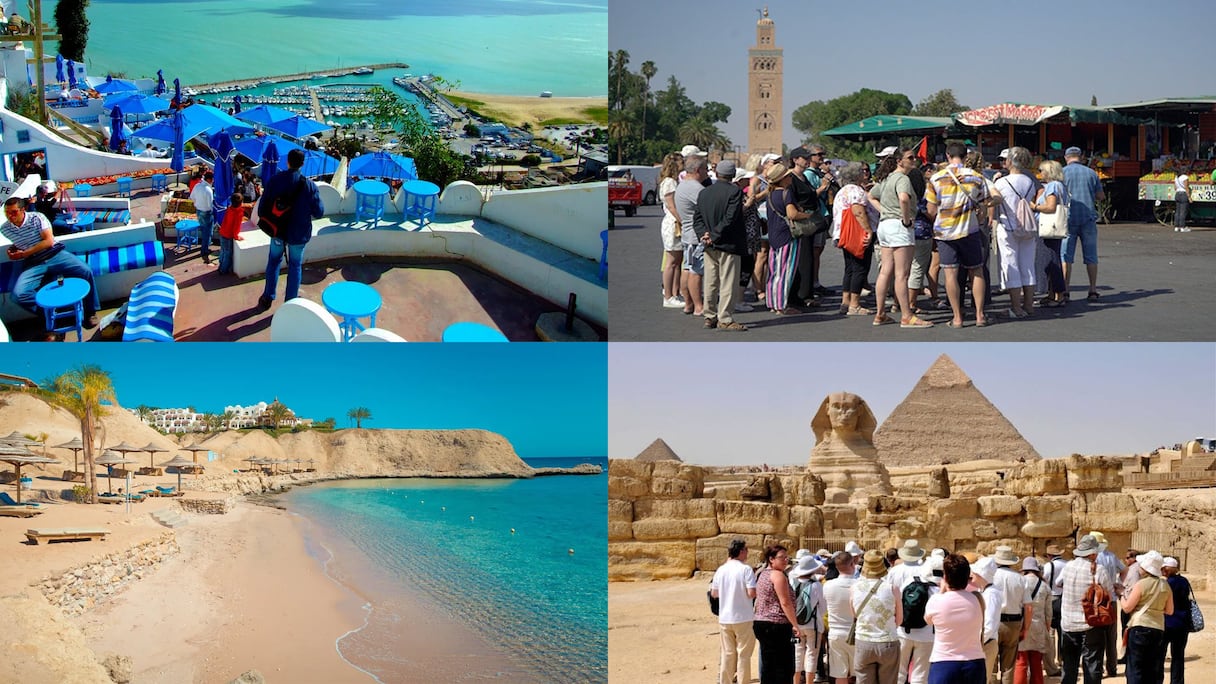
Despite a less favorable global environment than a year ago, tourism activity remained resilient across North Africa’s three leading destinations during the first six months of 2026. Morocco, Egypt and Tunisia together welcomed 23 million tourists, a 4.54% increase compared with the same period in 2025 and a new regional record.
The growth reflects several factors, including the continued recovery of international travel, reduced seasonality—illustrated by strong spring performance—government promotional campaigns, simplified visa procedures, improved air connectivity and enhanced tourism offerings.
However, these gains were partly offset by the outbreak of conflict in the Middle East at the end of February, which disrupted travel flows to the region. Higher jet fuel prices pushed up airfares, while geopolitical uncertainty discouraged some travelers. North Africa also saw fewer visitors from Gulf countries, a relatively small but high-spending market, particularly important for Egypt.
The more moderate pace of growth also reflects the exceptional performance recorded in 2025, when tourist arrivals surged by 18%, making a repeat of that expansion difficult. Significant differences nevertheless emerged between destinations, with Morocco recording 6% growth compared with just 2.1% for Tunisia.
Although growth has slowed, all three countries remain broadly on track to meet their tourism targets for 2026. The race to become Africa’s most visited destination is expected to remain closely contested between Morocco and Egypt through the end of the year.
Morocco strengthens its lead
With 9.4 million visitors by the end of June, up 6% year-on-year, Morocco consolidated its position as Africa’s leading tourism destination, welcoming more than 400,000 additional visitors than second-placed Egypt.
The increase was driven by strong growth across several key markets, including France (+9%), Germany (+14%), Belgium (+9%), the Netherlands (+10%), Italy (+6%), Poland (+32%) and the United States (+9%). Morocco successfully attracted part of the European tourist demand that had traditionally favored Middle Eastern destinations, while its proximity to Europe also reduced the impact of higher long-haul airfares.
Hotel overnight stays rose 9% during the first half of the year, led by Ouarzazate (+24%), Rabat (+18%), Agadir (+13%), Casablanca (+12%) and Marrakech (+10%).
Tourism receipts reached MAD 53.8 billion ($5.72 billion) by the end of May, an increase of 14.6% compared with the same period in 2025. Revenue growth significantly outpaced the increase in arrivals, bringing average tourist spending to MAD 6,987, or approximately $743 per visitor.
Morocco is counting on the peak summer season and the return of Moroccans living abroad to maintain momentum. As of July 20, Operation Marhaba had recorded the arrival of 1.86 million Moroccans residing overseas, up 1.04% from a year earlier. Authorities are targeting 21 million visitors in 2026 through expanded international air links, particularly with China, the United States and the Middle East. For the 2026 summer season, Morocco has made 7.74 million international airline seats available, a 13% increase over the previous summer.
The Kingdom is also expanding accommodation capacity to support future growth. Plans call for an additional 60,000 hotel beds by 2030, when Morocco aims to welcome 26 million tourists during the FIFA World Cup year.
Egypt relies on its Grand Egyptian Museum
After losing its long-held position as Africa’s leading tourism destination to Morocco in 2025, Egypt is seeking to regain the top spot through a series of new initiatives.
Despite regional instability linked to conflicts in Gaza and the wider Middle East, Egypt welcomed 9 million tourists in the first half of 2026, up 4% year-on-year. European travelers, particularly from Russia, Germany and the United Kingdom, accounted for roughly 70% of arrivals.
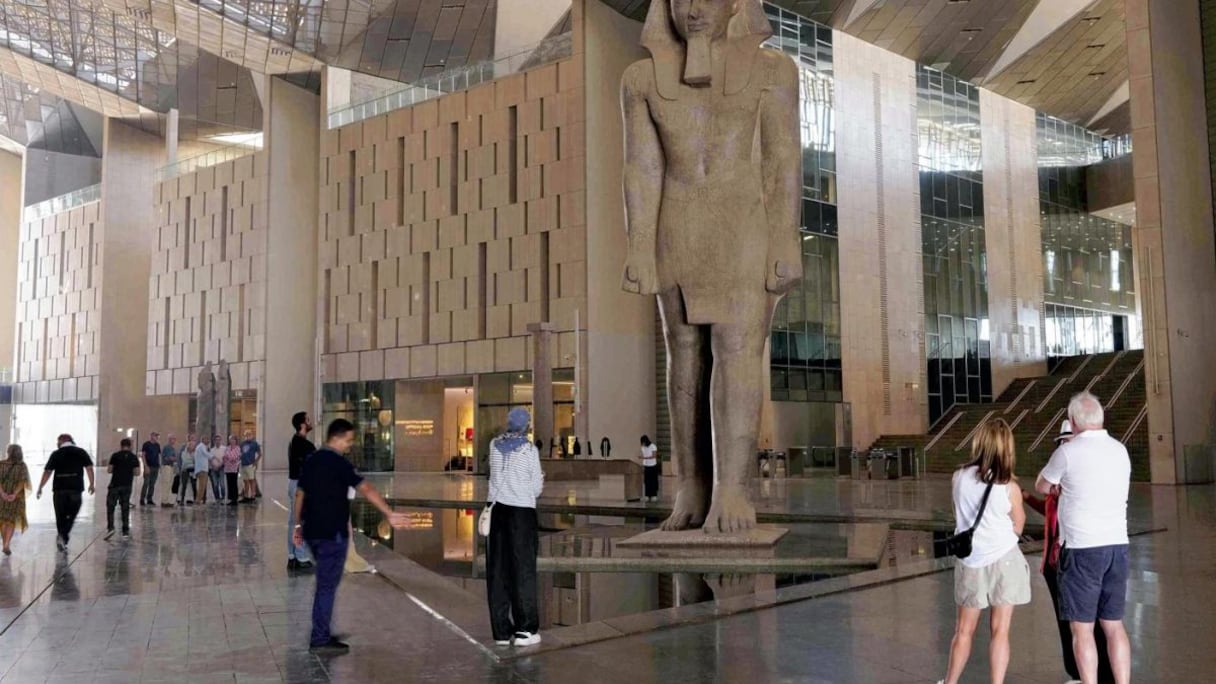
A key driver of growth has been the opening of the Grand Egyptian Museum in November 2025. The attraction receives around 15,000 visitors a day and is expected to welcome 6 million people during 2026. Housing more than 100,000 artifacts, including the complete Tutankhamun collection, the museum has helped revive Egypt’s cultural tourism sector.
The depreciation of the Egyptian pound has also improved the country’s price competitiveness, while visa-on-arrival policies and stronger international air connectivity have further boosted arrivals. Tourism revenue reached $6.8 billion by the end of May for 7.5 million visitors, translating into average spending of about $907 per tourist.
Egypt is targeting 21 million visitors in 2026 after welcoming 19 million in 2025. To facilitate travel, the country launched a pilot digital visa-on-arrival system on August 1, replacing traditional paper visas with QR codes that travelers can obtain before departure, during their flight or after landing.
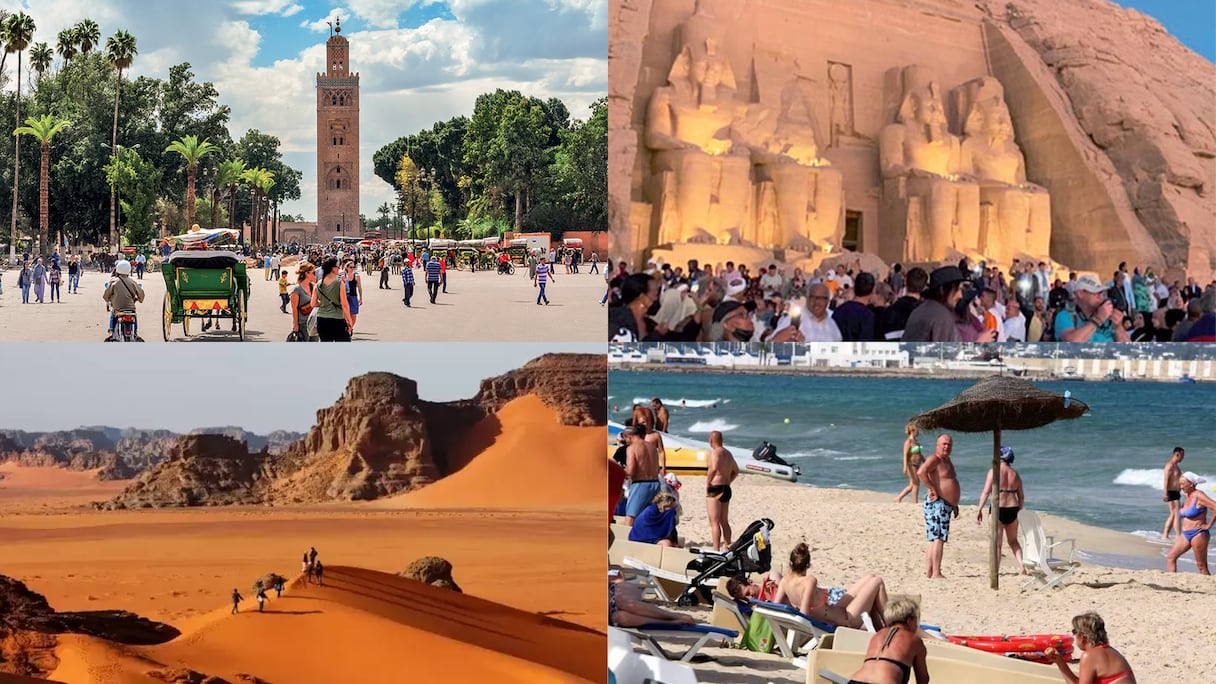
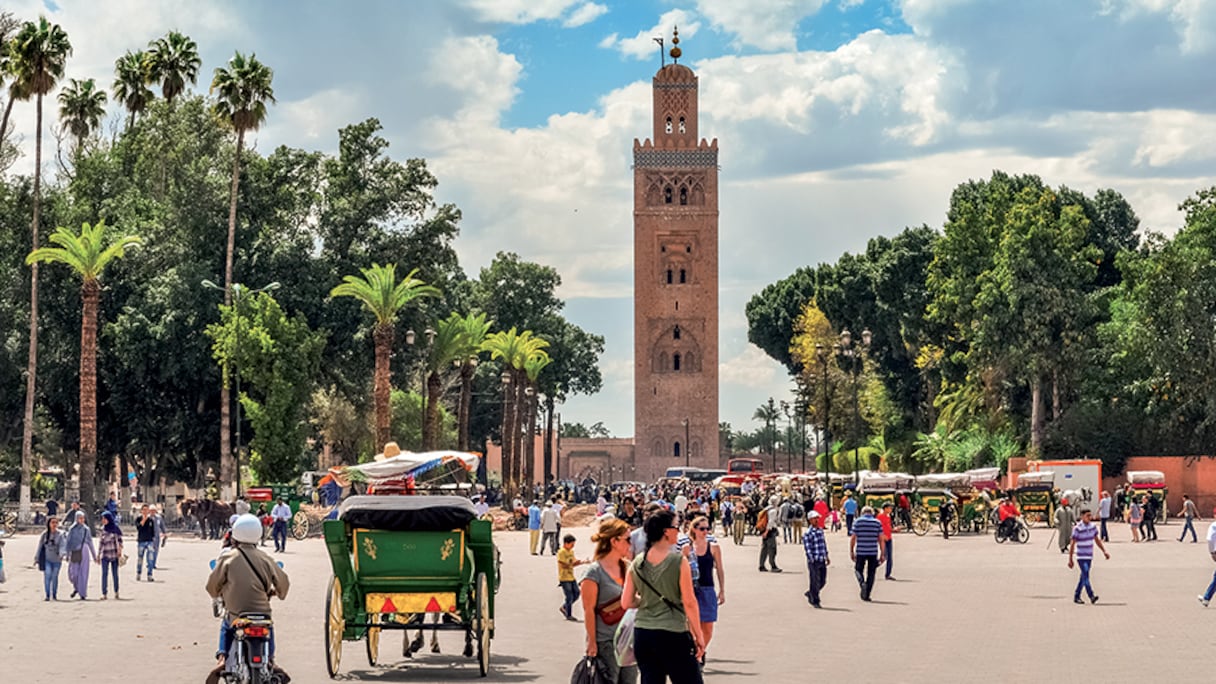
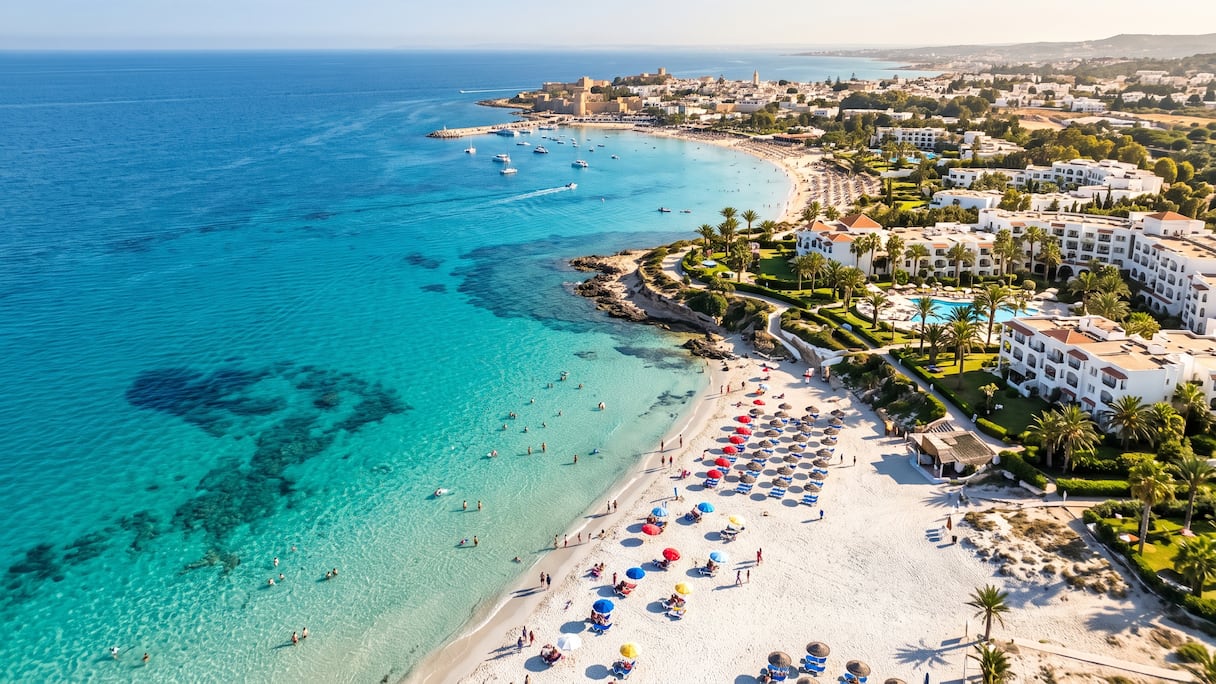
Morocco, Egypt, and Tunisia welcomed a record 23 million tourists by the end of June 2026, representing a 4.54% increase compared to the same period last year.
Nevertheless, geopolitical tensions remain a significant risk to Egypt’s tourism industry, which is more exposed than many competing destinations. Limited hotel capacity could also constrain growth during the peak season, while achieving the country’s target of $16-17.8 billion in tourism revenue may prove challenging under current conditions.
Tunisia posts modest growth
Tunisia delivered a weaker-than-expected performance during the first half of 2026, with tourist arrivals increasing by just 2.1% to 4.55 million visitors. The report attributes the slowdown to the impact of the Middle East conflict on bookings and, above all, a 10% decline in Libyan visitors, traditionally Tunisia’s second-largest source market after Algeria.
Combined arrivals from Algeria and Libya nevertheless edged up 1.3% to 2.44 million, as a strong 11% increase in Algerian visitors offset the decline from Libya. European arrivals rose 2.3% to 1.31 million, led by France, the United Kingdom, Germany, Poland and Italy.
Tourism revenue reached 3.35 billion Tunisian dinars (around $1.14 billion) by the end of June, up 4.4% from a year earlier. However, average spending remained low at around $250 per tourist, reflecting Tunisia’s reliance on mass tourism rather than higher-value travel.
Tunisia aims to attract 12 million visitors in 2026 after welcoming 11.3 million in 2025. Authorities are hoping for a stronger second half of the year, driven by returning members of the Tunisian diaspora and loyal European visitors to the country’s seaside resorts.
Industry professionals, however, remain concerned about recurring electricity and water outages affecting hotels during the peak summer season. The disruptions have forced the cancellation of evening entertainment and interrupted air conditioning during periods of extreme heat, raising concerns over visitor satisfaction.
