
Since its establishment, the DGSN has continuously modernized its services. From the E-Police portal and the GESTARR platform to the CNIE 2.0 electronic national identity card and the use of drones to secure major events, the institution has built what its official magazine describes as a “fast and high-quality” public service.
Training has also been a key pillar of this transformation. The Royal Police Institute in Kenitra, the Bouknadel Police School and the newly established Higher Institute of Security Sciences in Ifrane have all contributed to developing police expertise. According to the DGSN’s publication, the Ifrane institute has become a “continental hub of police expertise” for Moroccan and African officers.
In its latest issue, the DGSN’s magazine looks back at the institution’s 70-year history. It all began on May 16, 1956, when Dahir No. 1-56-115 officially created the General Directorate of National Security.
“This founding text, promulgated less than three months after Morocco’s independence, laid the foundations for what would become the country’s most important security institution. At the time, the Ministry of the Interior, headed by Lahcen Lyoussi, an independent figure close to the Sultan, was entrusted with overseeing this historic creation,” the publication states.
Mohammed Laghzaoui was appointed as the institution’s first director. The DGSN was tasked with maintaining public order while protecting people and property.
The organization’s early years were marked by significant challenges. Recruiting the first generation of police officers proved difficult, as the institution sought to train personnel capable of breaking away from policing methods inherited from the Protectorate while maintaining operational continuity. Limited resources, underdeveloped infrastructure and the need to build an entirely new policing doctrine from the ground up made the task particularly demanding. Despite these constraints, the DGSN demonstrated what the publication describes as “remarkable adaptability,” drawing strength from the patriotism and commitment of its first recruits.
Over the following decades, the institution evolved alongside Moroccan society, adapting to rapid population growth, rural migration, the expansion of major cities such as Casablanca, Rabat, Fez and Marrakech, and the emergence of increasingly sophisticated forms of crime.
“Each era brought unprecedented security challenges, which the institution addressed through constantly evolving capabilities. The reform of legislation and the evolution of policing doctrine took place gradually, keeping pace with societal changes and international requirements,” the publication notes.
Three Phases, Three Doctrines
Morocco’s policing doctrine has evolved through three major operational phases. The first phase, from the 1950s to the 1980s, focused on building and consolidating the institution, emphasizing public order and establishing its territorial structure. The second phase, from the 1990s to 2010, marked the emergence of a more professional approach, characterized by the creation of specialized units and enhanced operational capabilities. The third phase, launched in 2015 under Abdellatif Hammouchi’s leadership, has centered on technological modernization, community policing, human rights, institutional transparency, and expanding Morocco’s international security presence.
The DGSN’s specialized units have expanded considerably since 1956. The Mobile Intervention Companies (CMI), established in the same year, later evolved into the Mobile Public Order Groups (GMMO). Today, these units comprise over 3,000 officers organized into companies attached to police commands across the Kingdom.
The institution continued to diversify its capabilities over the years. Casablanca’s Scientific Police Laboratory was established in 1996. Two years later, the first class of female police officers assigned to operational duties graduated, and in 2001, women gained access to police recruitment for all ranks. Dedicated support units for women victims of violence were created in 2007, followed by the establishment of the Cybercrime Unit in 2018. In 2019, the DGSN launched both its Economic Intelligence Service and the Criminal Asset Identification Service.
The Explosives Disposal Unit was significantly reinforced following the May 16, 2003, terrorist attacks in Casablanca. It is now deployed across seven Moroccan cities and equipped with bomb disposal robots and state-of-the-art equipment.
The DGSN also overhauled its recruitment policy. Entrance examinations were redesigned to strengthen transparency, merit, and equal opportunity. Candidates are now assessed through legal and general knowledge examinations, as well as multiple-choice tests graded by independent university professors. The recruitment process also includes medical and psychological evaluations.
According to the DGSN’s publication, recruitment figures reflect “the institution’s renewed appeal." In 2016, over 164,000 candidates sat for written examinations at 321 testing centers nationwide. Over 93,000 candidates participated in the 2024 recruitment process. In 2025, six recruitment campaigns resulted in the hiring of 6,733 new officers. During the same year, 8,913 police personnel received promotions, while 10,249 officers completed continuing professional training programs.
The Royal Police Institute, the Heart of Police Training
Founded in Kenitra in 1978, the Royal Police Institute (IRP) serves as the DGSN’s primary training center. It provides initial training to newly recruited officers before their deployment. The curriculum combines physical and paramilitary instruction with courses in legal and criminal procedure, alongside technical modules covering crime scene management, traffic accident investigations, emergency response, human rights, and police ethics.
In 2002, King Mohammed VI inaugurated the Bouknadel Police School. Subsequently, regional training centers were established across the Kingdom, creating a network of seven regional police academies. In 2025, the Higher Institute of Security Sciences opened in Ifrane to train senior Moroccan and international officers and promote scientific research in security.
Since taking office, Abdellatif Hammouchi has prioritized police training reform. Before even wearing the uniform, trainee officers now complete modules focused on civic values, professional ethics, and respect for human rights. According to the DGSN’s publication, this approach, described as “both legalistic and humanistic,” aims to instill in new generations of police officers “a genuine culture of community policing, public service, and respect for citizens above all.”
The Royal Police Institute has also become a “continental hub of police expertise.” Over the past five years, more than 500 African officers—from countries including Burkina Faso, Senegal, Côte d’Ivoire, and others—have completed training programs there as part of King Mohammed VI’s South-South cooperation initiative. According to the publication, this African outreach has transformed the DGSN into “an instrument of international diplomatic influence as much as a security institution.”
2015: A Turning Point
The 2015 appointment of Abdellatif Hammouchi as Director General of the DGSN, while he concurrently retained his position as head of the Directorate General for Territorial Surveillance (DGST), marked a significant departure from previous practices. Hammouchi, a trained jurist and internationally recognized counterterrorism expert, is noted for his “strong operational expertise and extensive experience in international cooperation.”
Under his leadership, the institution’s strategy has focused on five key priorities: technological modernization, professional development of human resources, institutional communication and community policing, respect for the rule of law, and enhanced international engagement.
Unifying the DGSN and DGST under a single command fostered closer coordination between policing and domestic intelligence. This integration, described by the publication as enabling “an integrated and coherent response to complex security threats,” has been “widely praised by international partners” and has positioned Morocco as “a benchmark in security governance.”
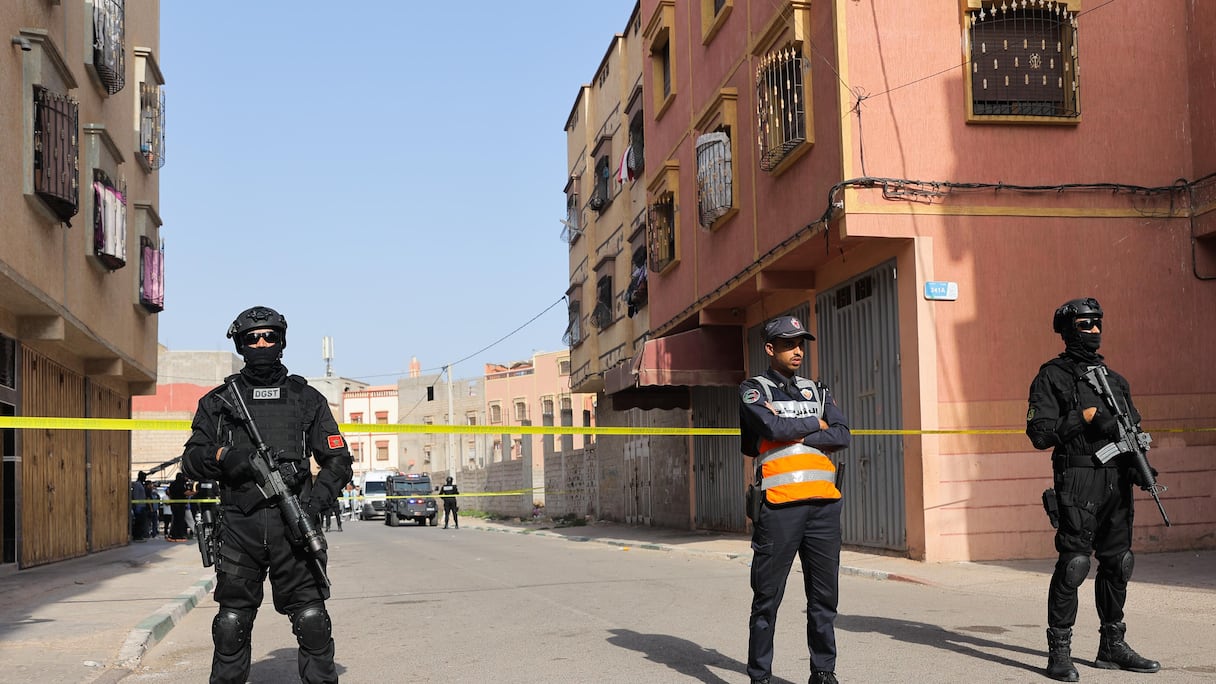
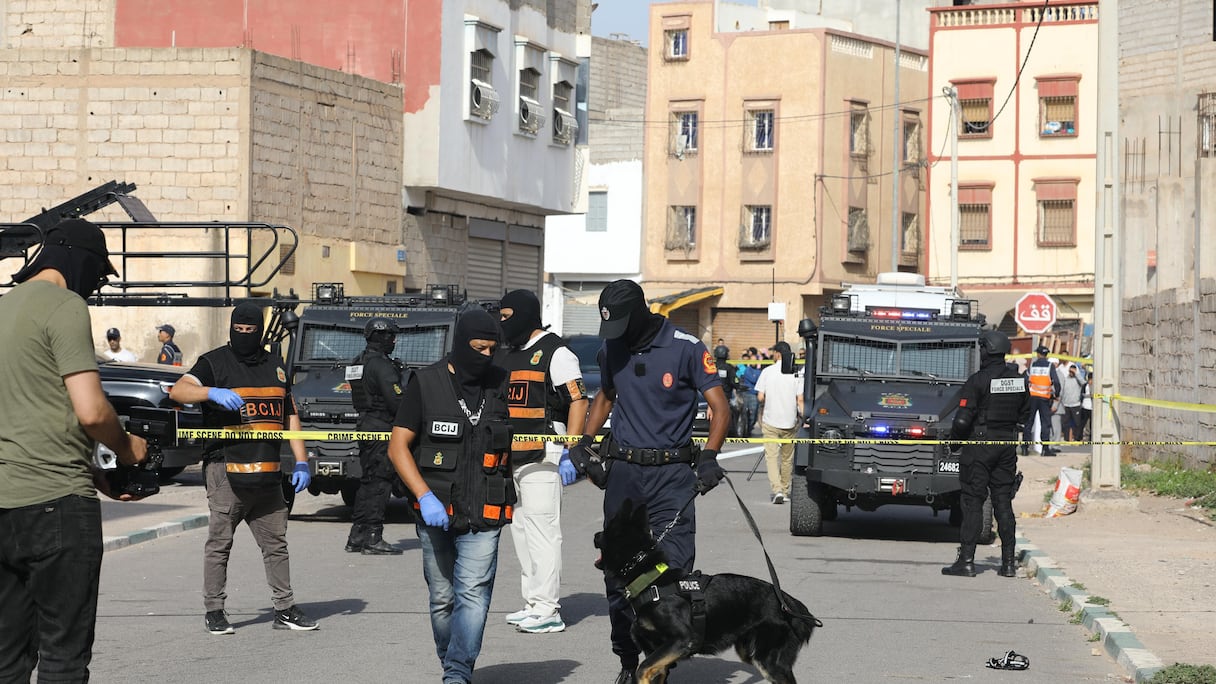
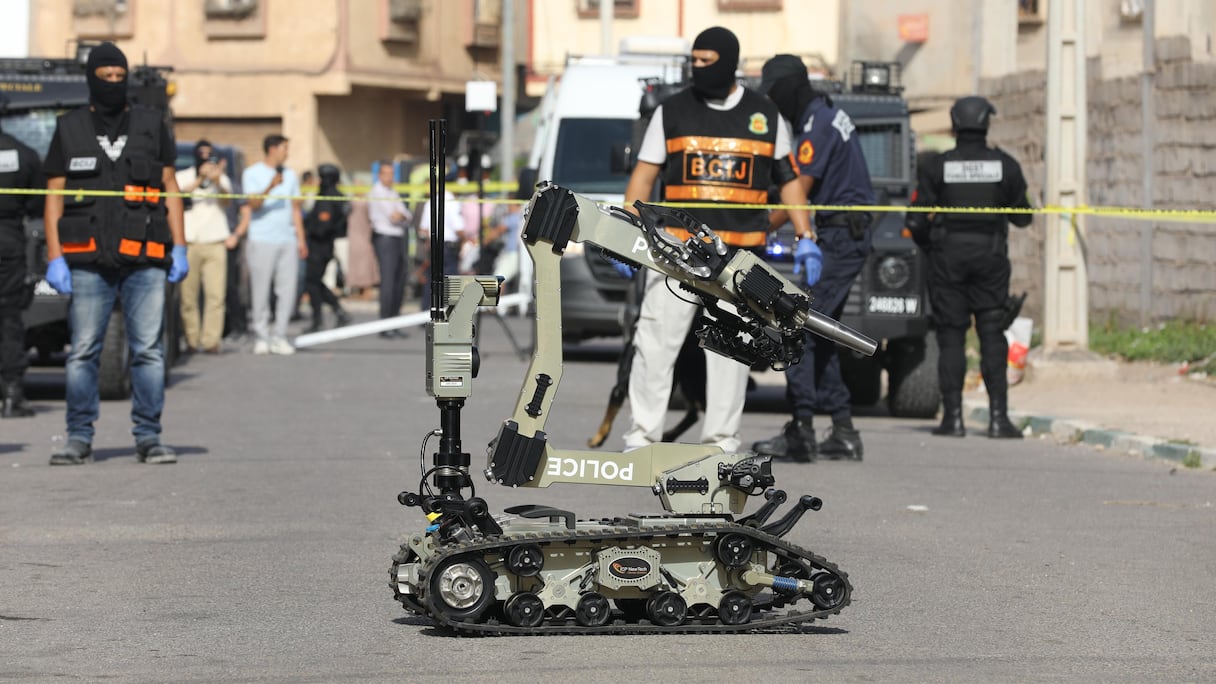
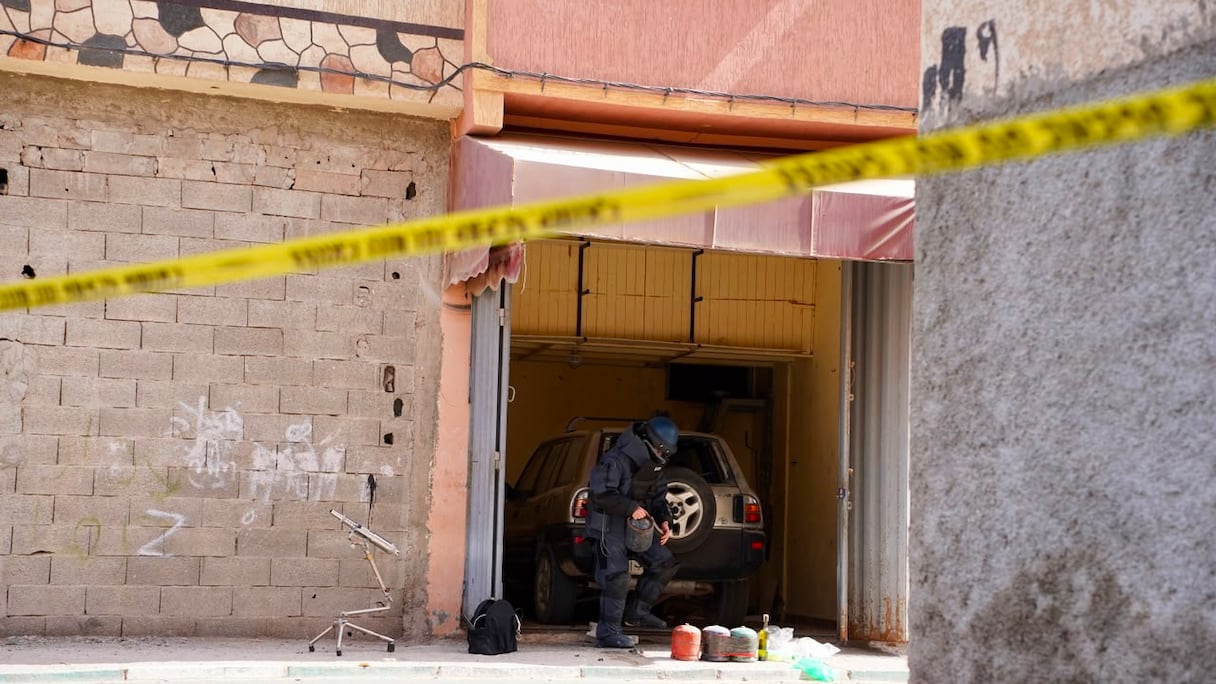
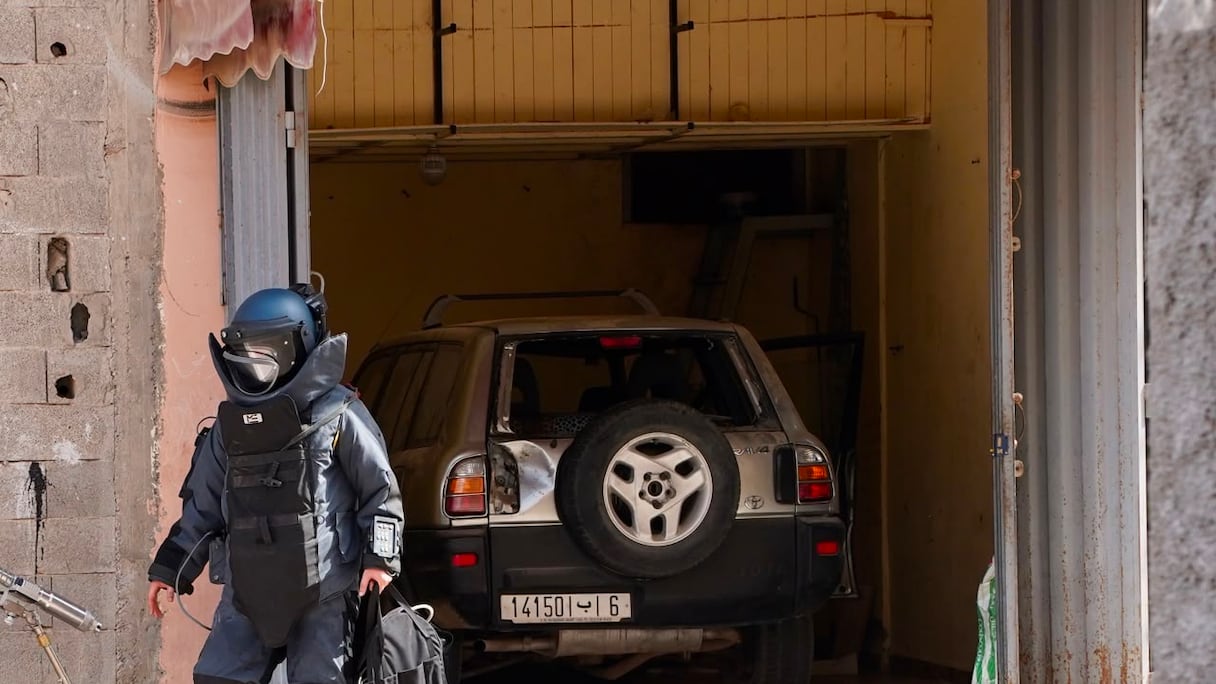
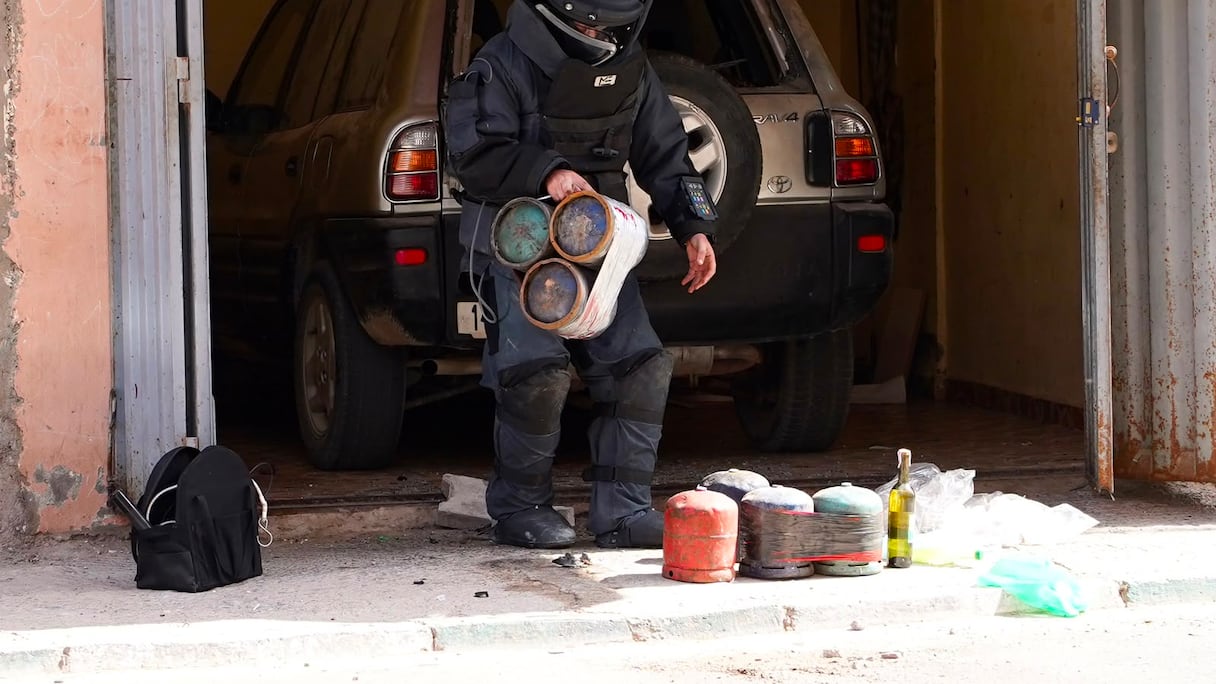
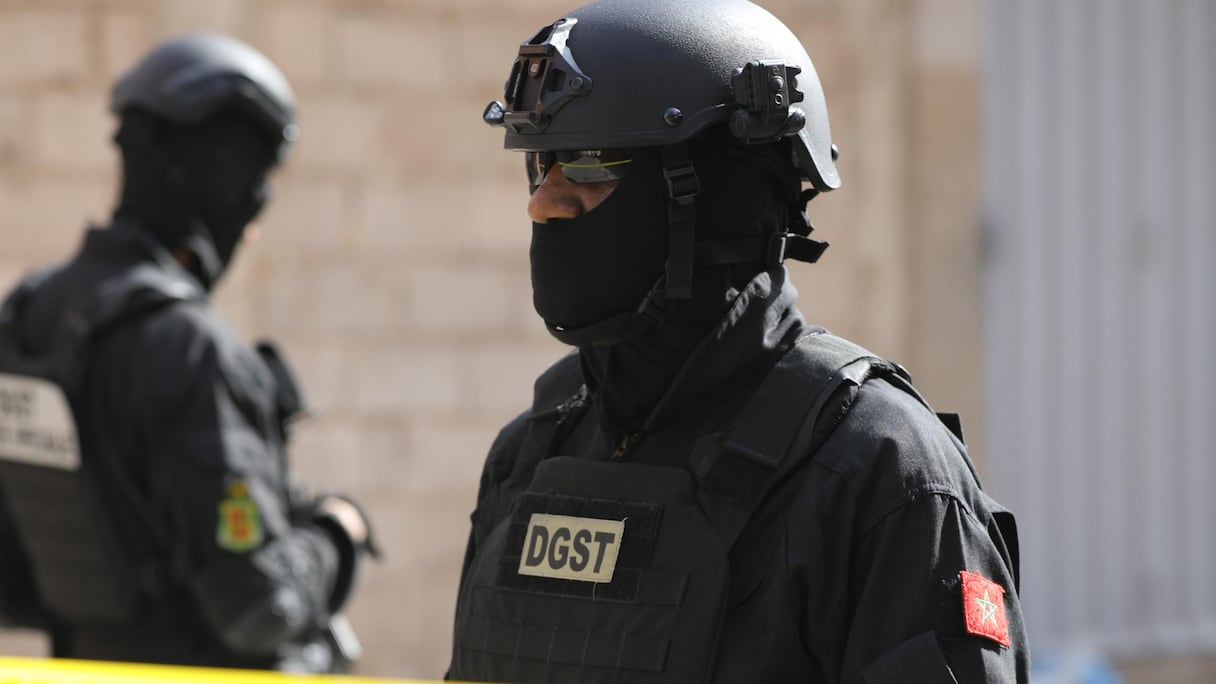
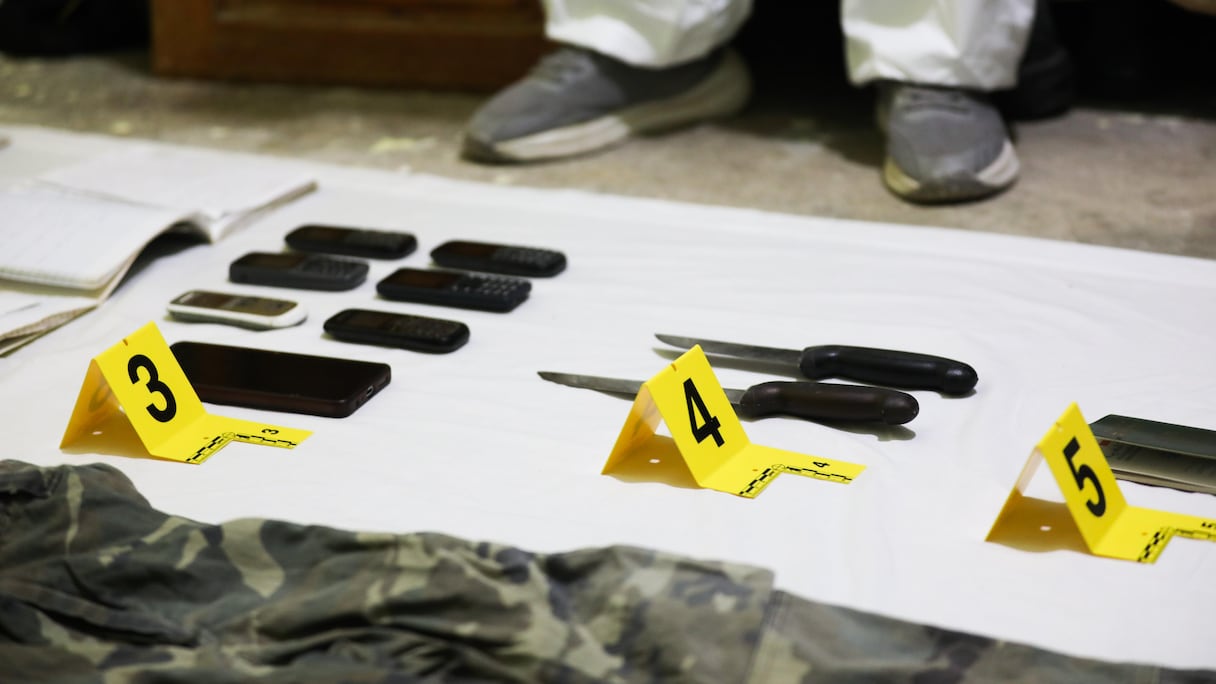
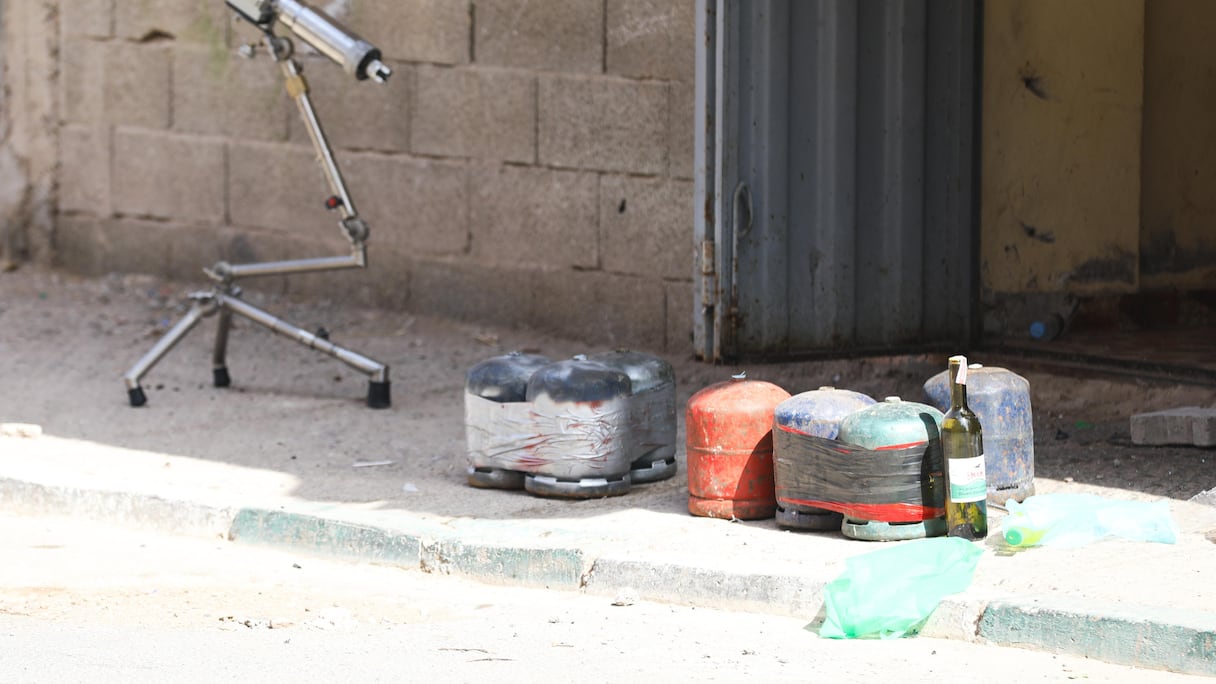
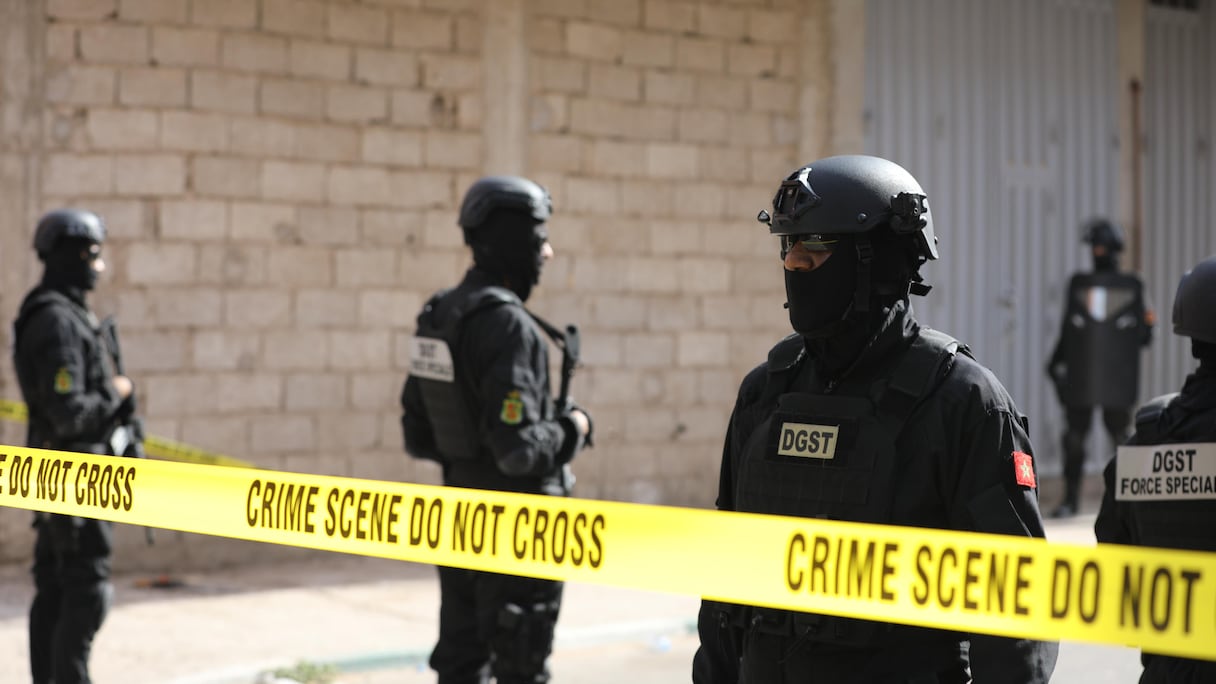
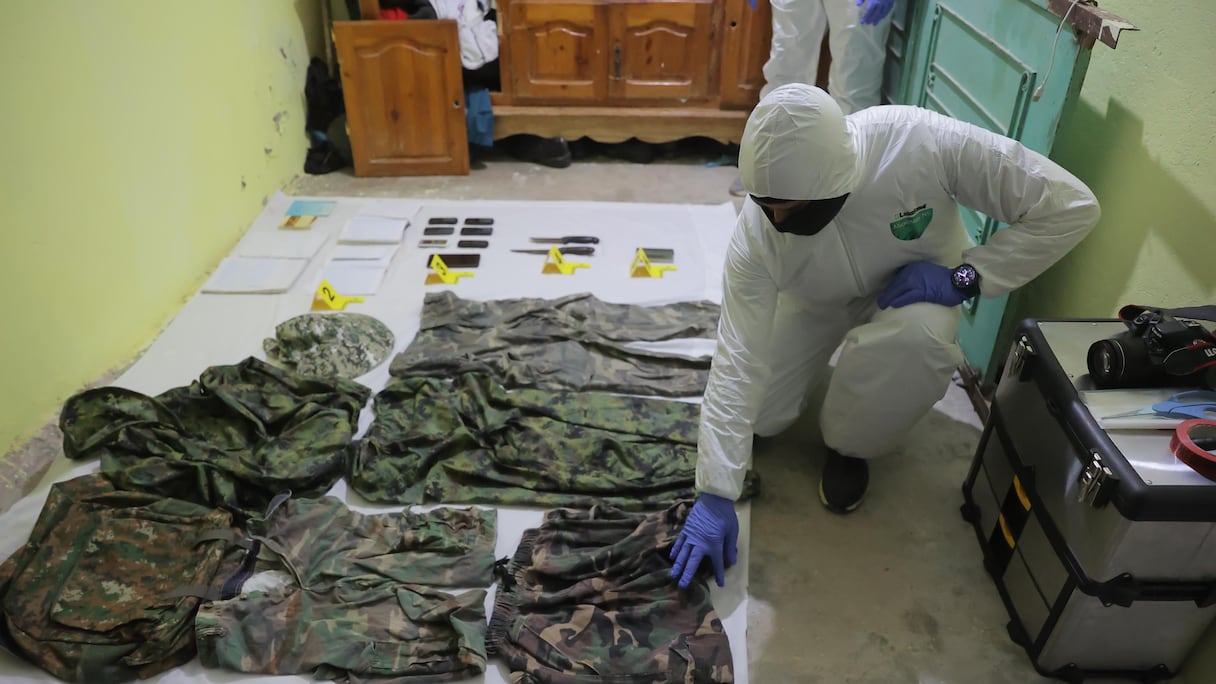
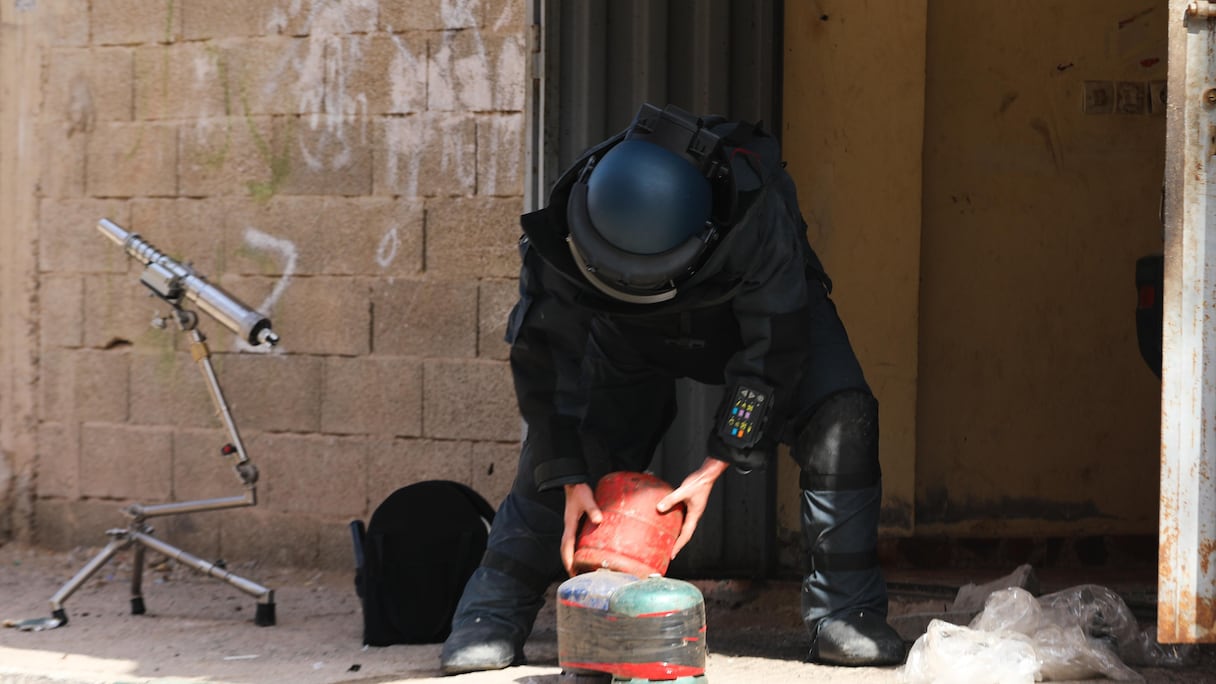
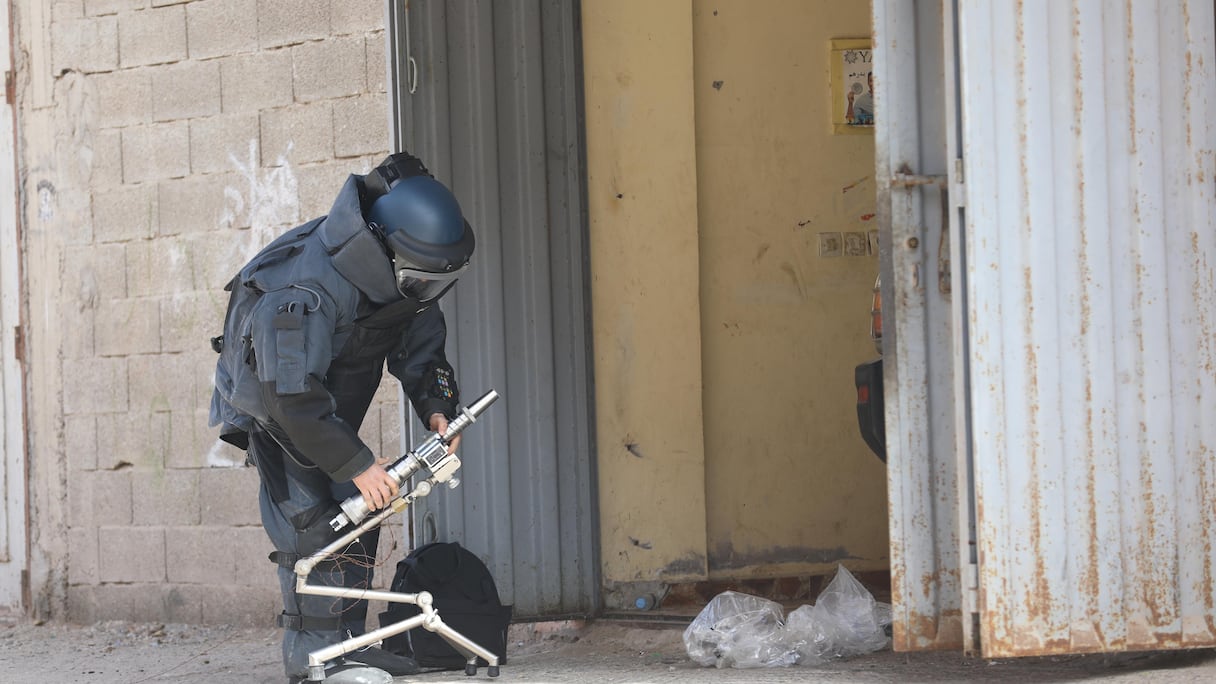
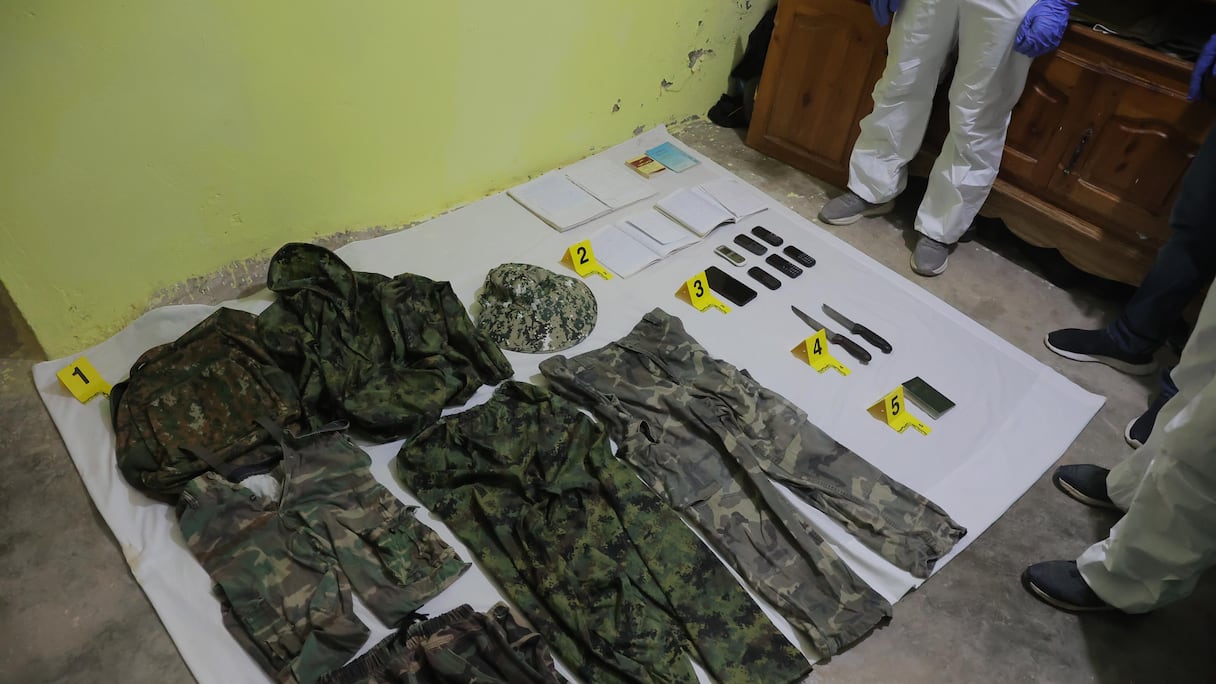
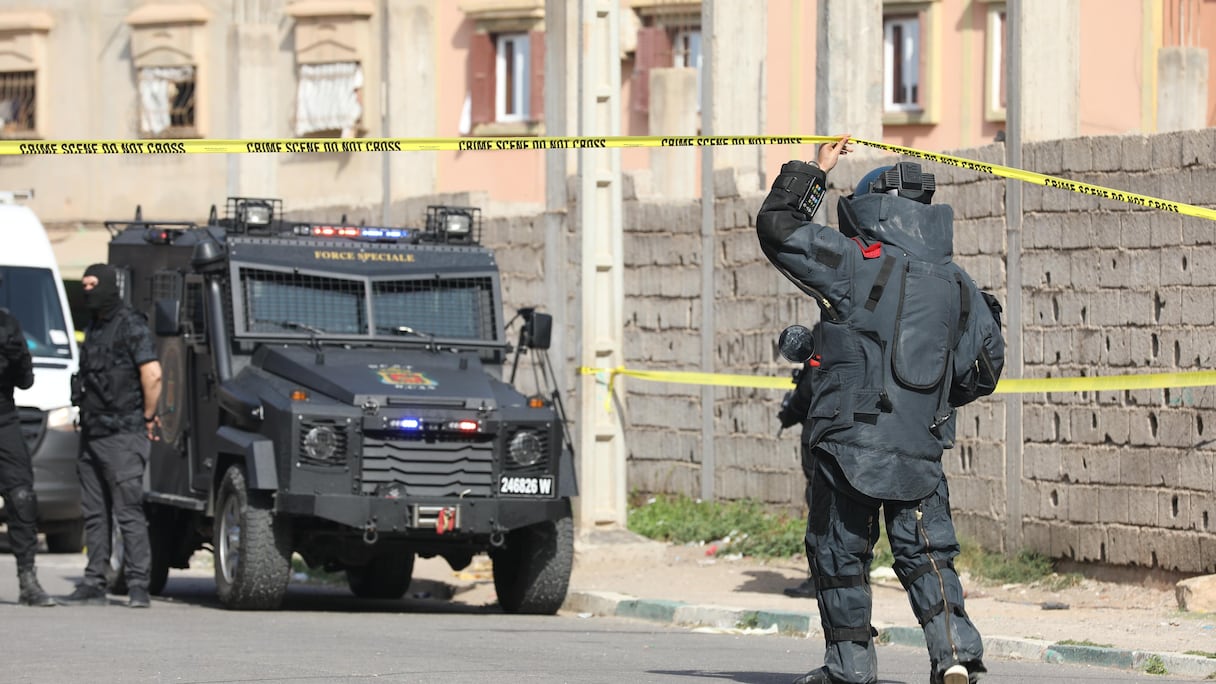
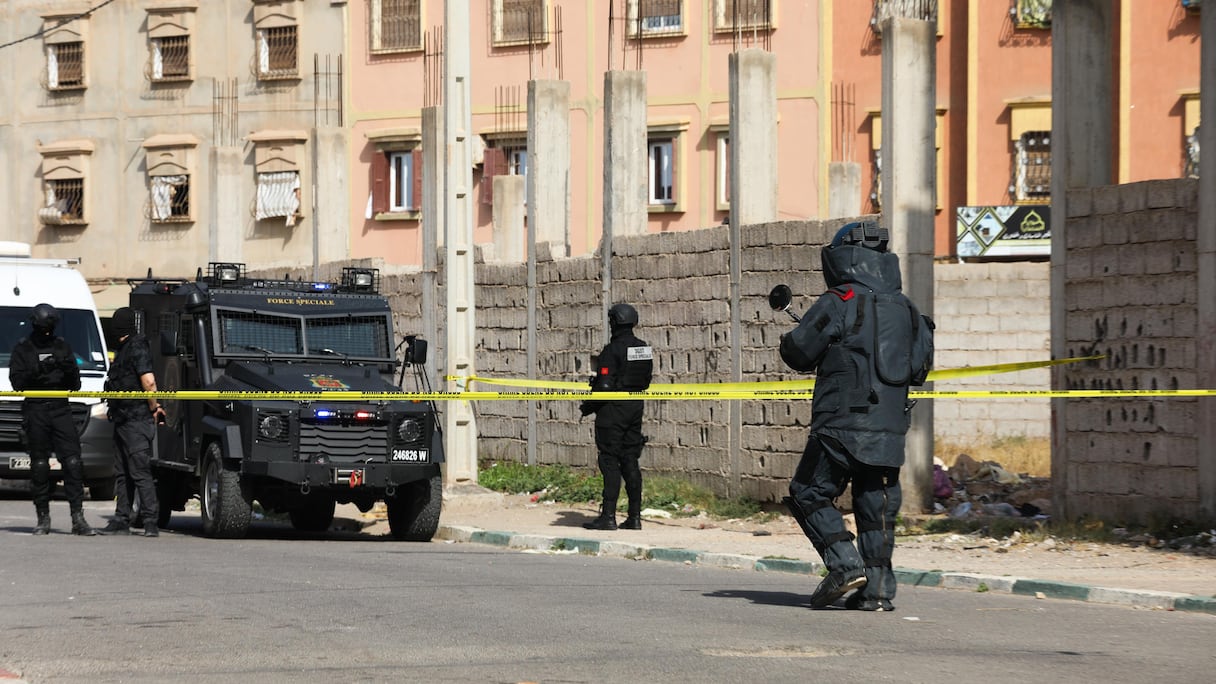
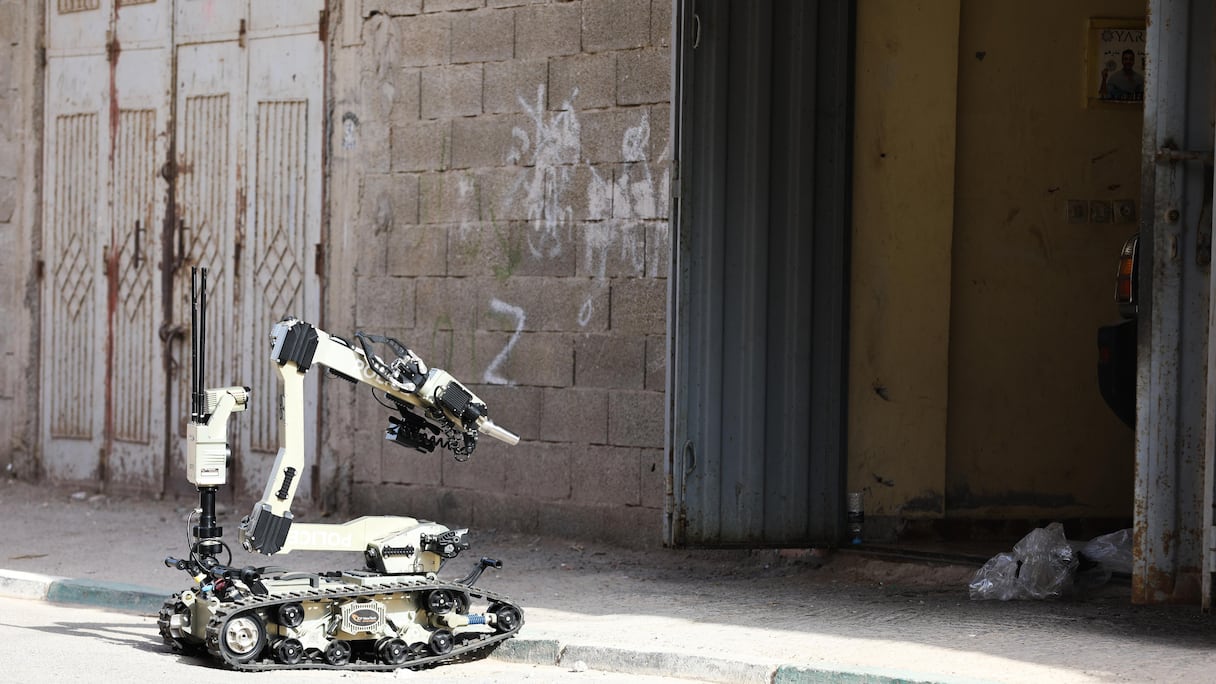
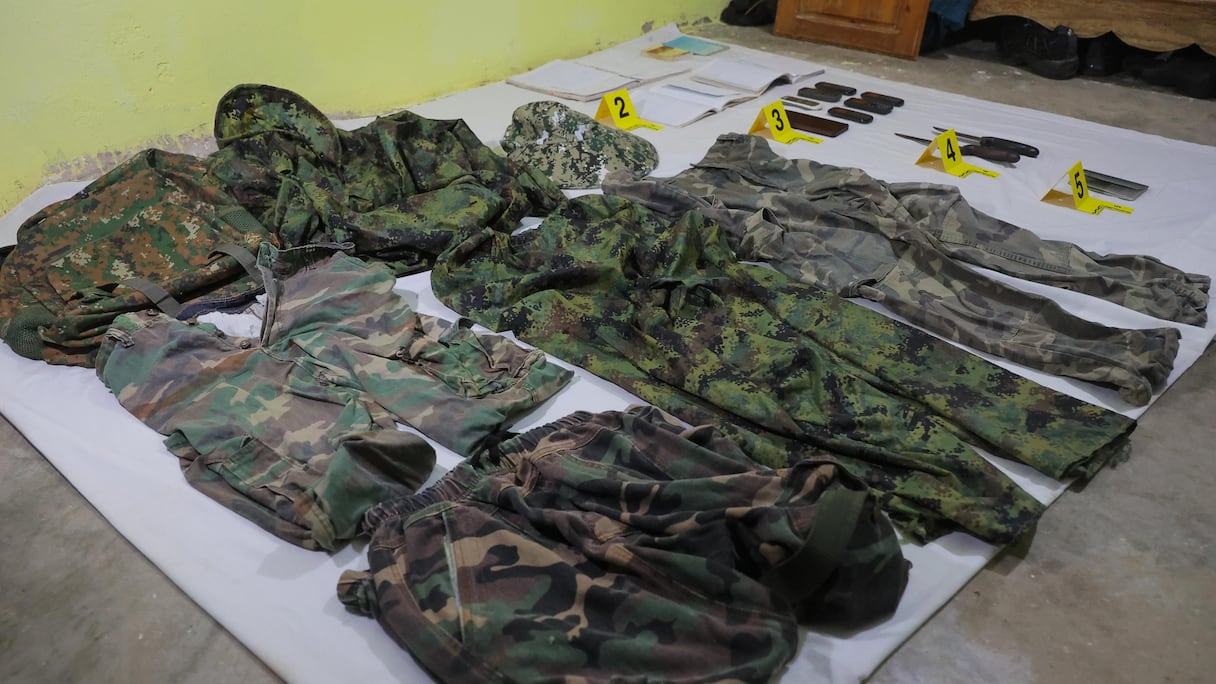
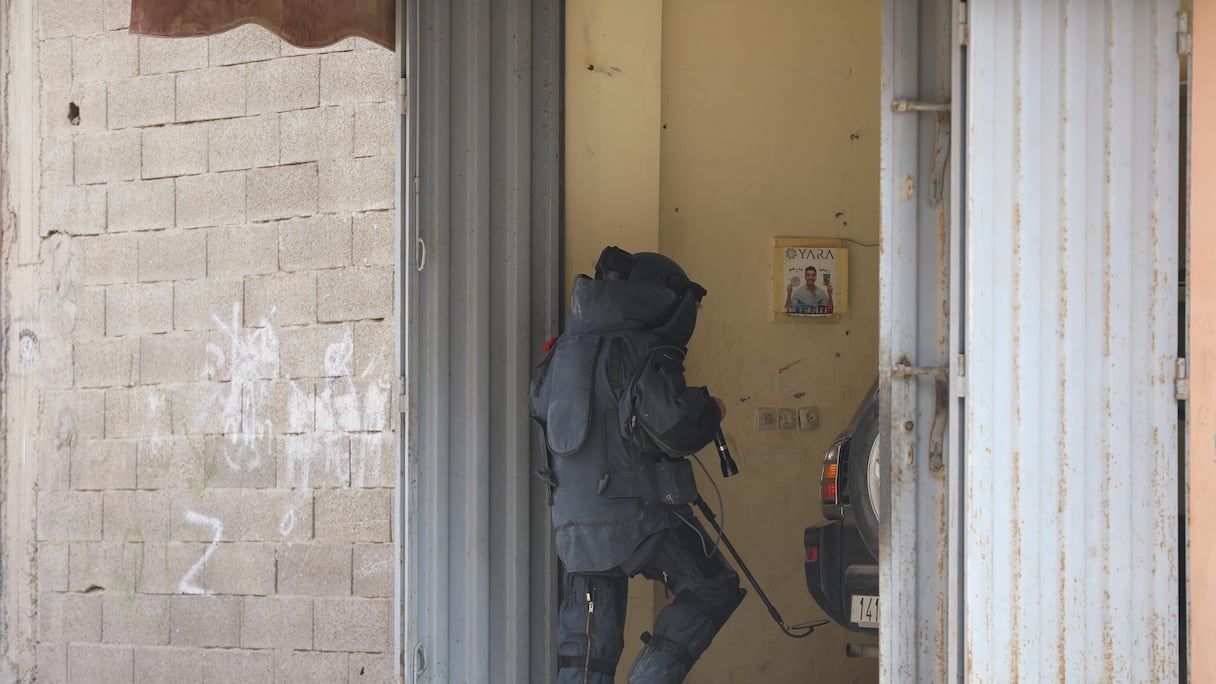
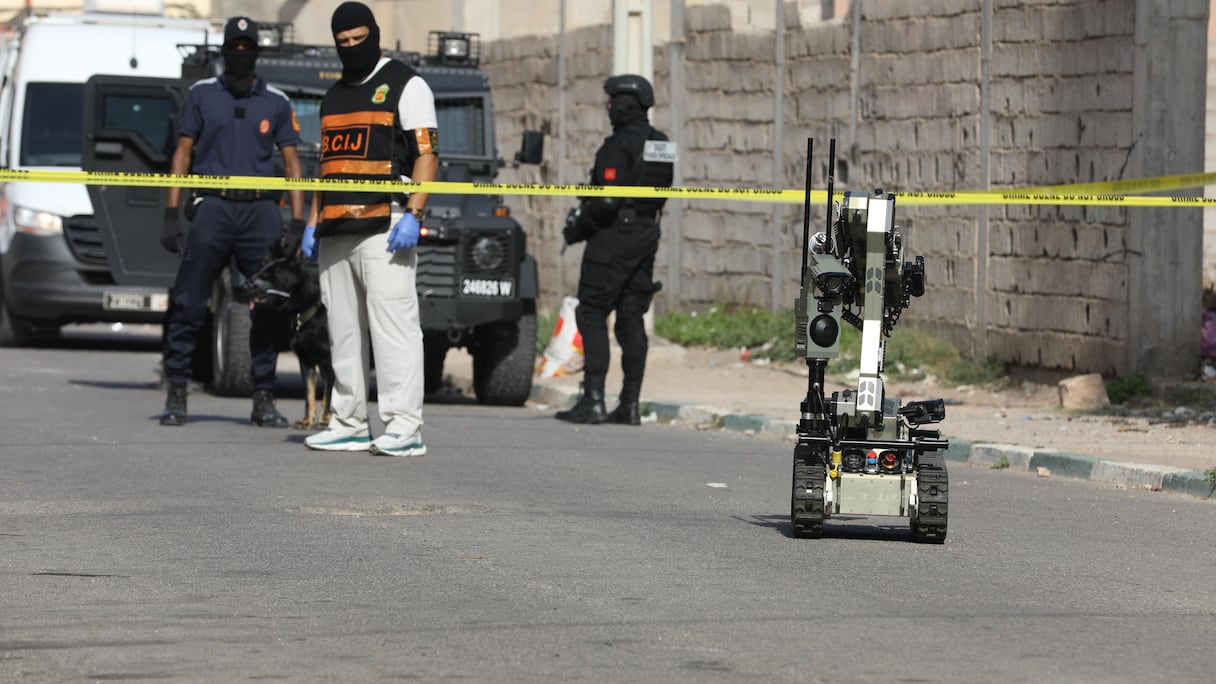
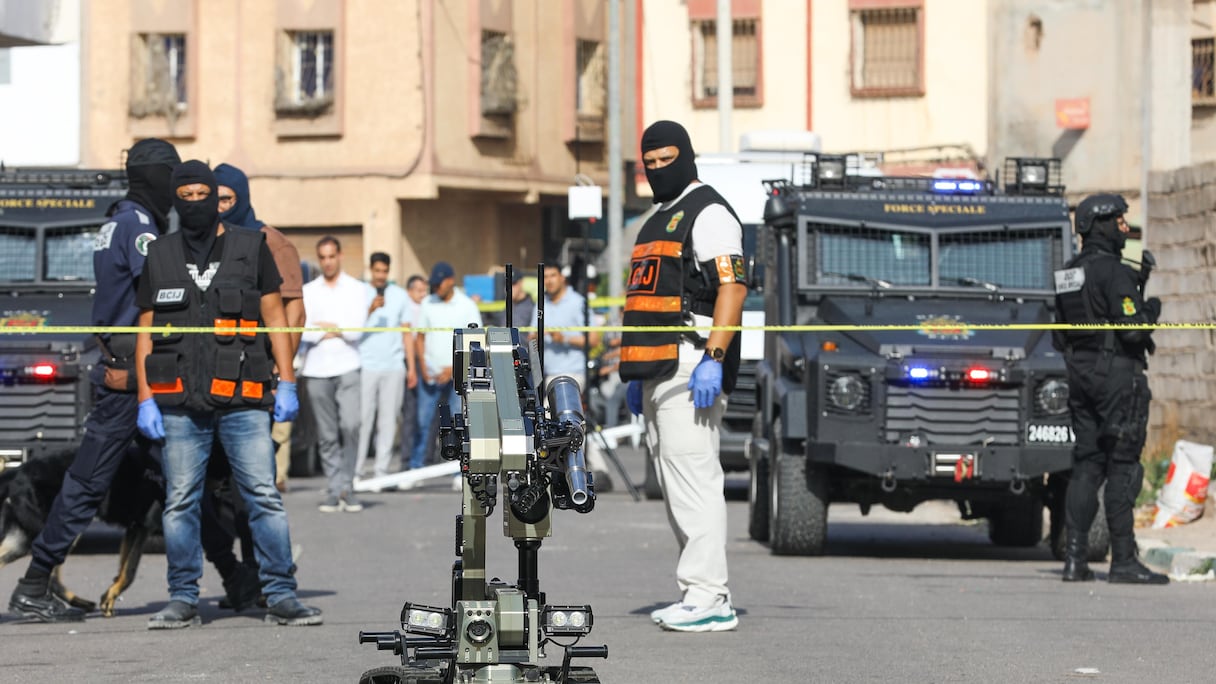
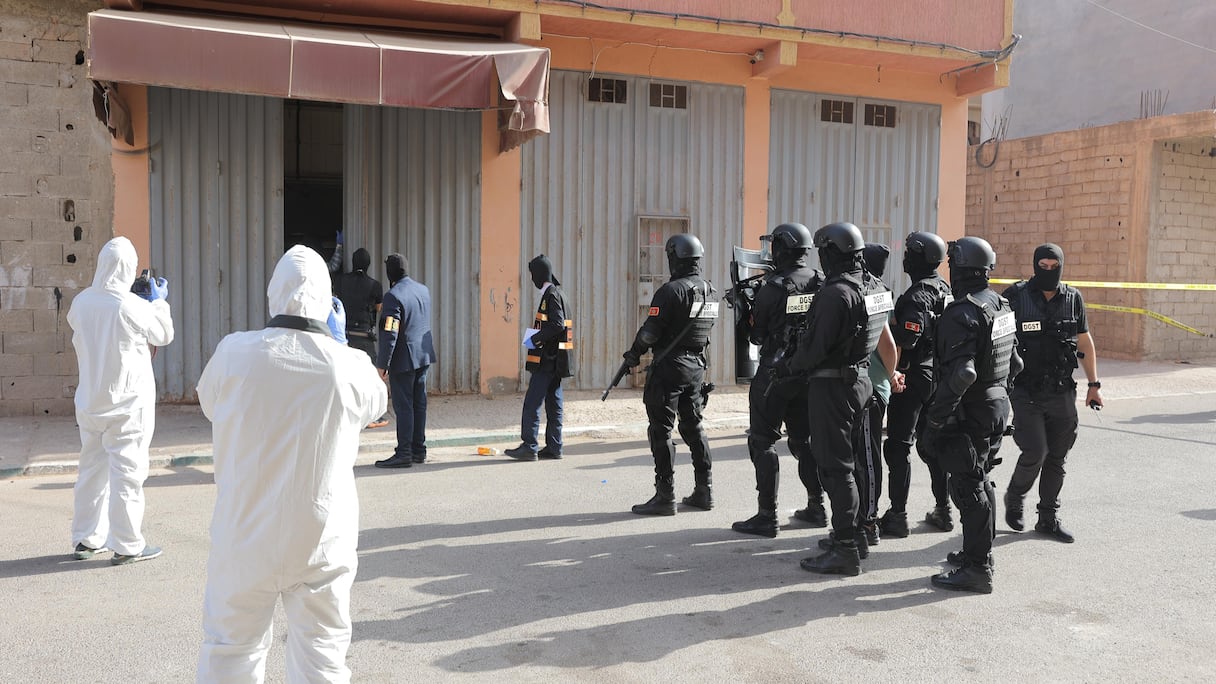
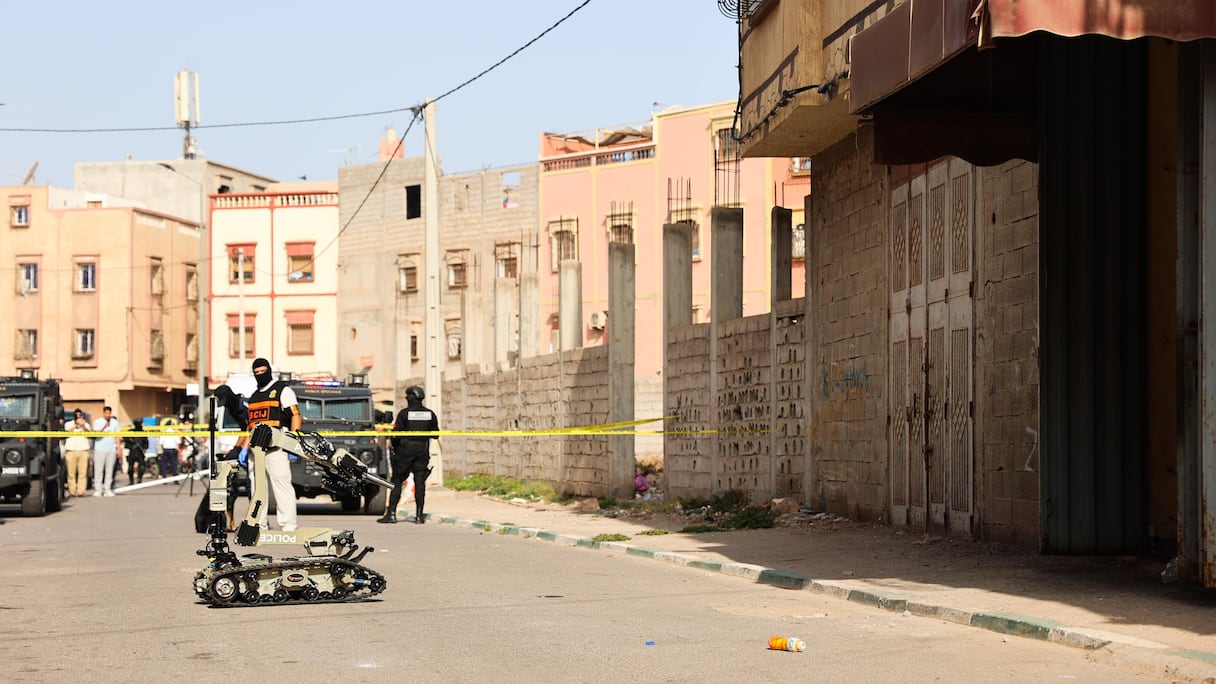
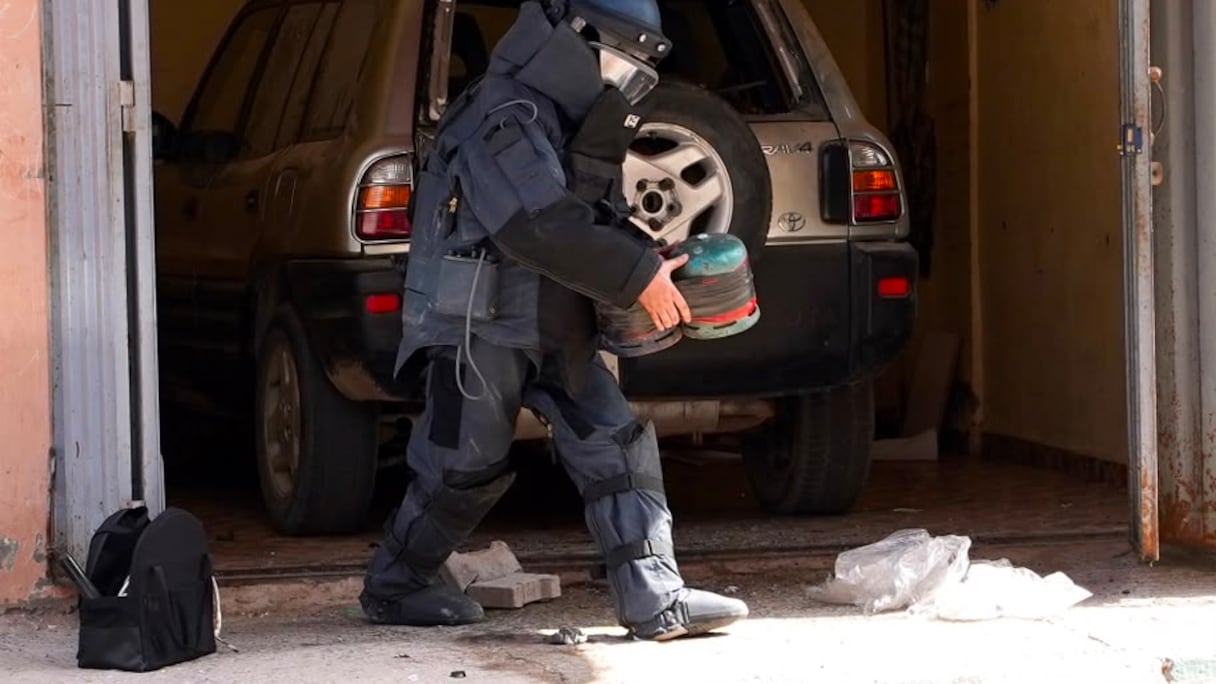
During operations carried out by DGST Special Force units in Agadir, Taroudant, Casablanca, El Hajeb, Tetouan, Fquih Ben Salah and Safi.
Following the May 16, 2003, terrorist attacks in Casablanca, Morocco developed a comprehensive counterterrorism strategy combining prevention, law enforcement, and deradicalization. The effectiveness of this approach is now “widely recognized,” according to the DGSN’s publication. Since then, dozens of terrorist cells have been dismantled, and numerous planned attacks in Morocco and partner countries have been thwarted thanks to intelligence provided by Moroccan security services.
The close cooperation between the DGSN and DGST has been instrumental in preventing terrorist attacks in the United States and Spain, thereby “reinforcing Morocco’s position as a key international partner in counterterrorism.” The publication highlights that German authorities have publicly acknowledged that “Europe cannot do without close cooperation with Morocco” and its preventive expertise. Morocco also hosts the United Nations Office of Counterterrorism.
The DGSN has embarked on a comprehensive digital transformation to modernize interactions between the police and citizens while improving operational efficiency. According to the publication, the E-Police portal centralizes and digitizes administrative services for the public, while the E-Blagh platform allows citizens to electronically report illegal online content and cybercrime offenses.
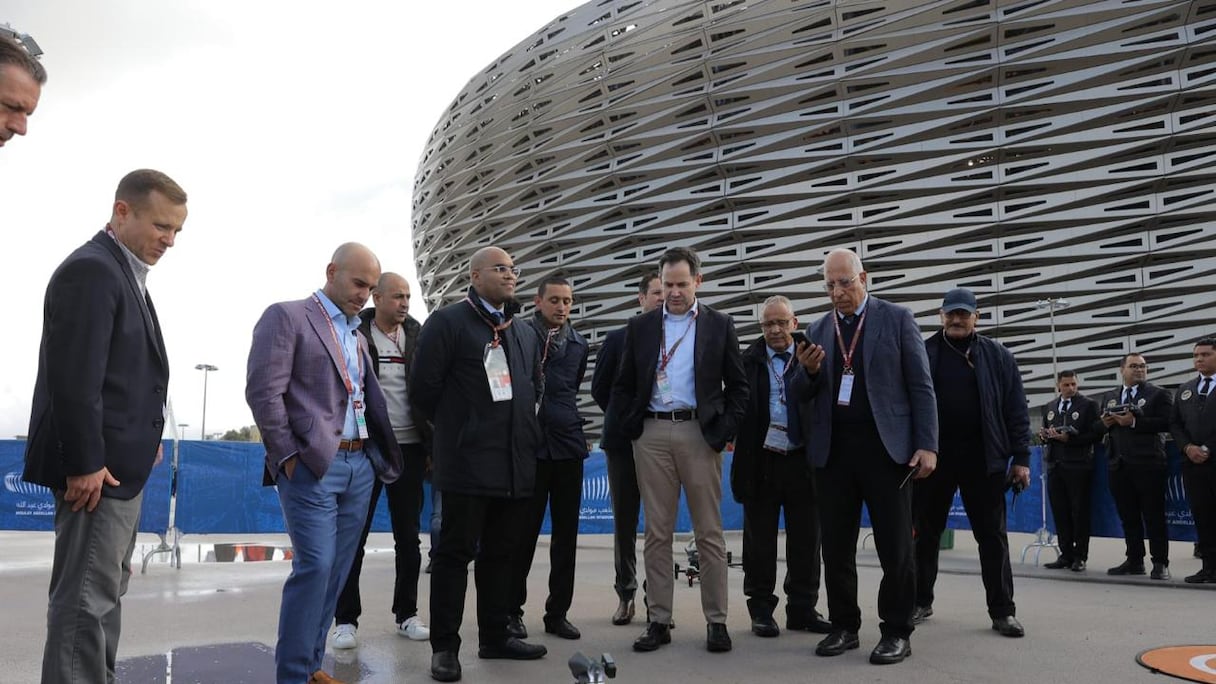
The CNIE 2.0 electronic national identity card forms the bedrock of Morocco’s digital identity system, positioning the DGSN as the country’s trusted digital identity provider. This enables citizens to securely access both public and private digital services. Concurrently, the GESTARR platform centralizes police district operations, including identity card applications and citizen complaints. Drones are also deployed to enhance security at major events, assist in disaster management, and combat irregular migration.
Forensic Science: “The Truth Through Science”
In 2021, the National Forensic Science Laboratory inaugurated its new 8,600-square-meter headquarters in Casablanca. The facility, designed in accordance with “the highest international standards governing forensic laboratories,” according to the DGSN’s publication, is accredited under the ISO/IEC 17025 international standard. This certification attests to the reliability, traceability, and reproducibility of its forensic analyses. Its expertise is further recognized through its membership in INTERPOL’s international working group on forensic genetics.
The National Brigade of the Judicial Police (BNPJ) has also undergone extensive modernization. In 2021, it relocated to a new eight-story, 16,000-square-meter headquarters in Casablanca. According to the DGSN’s publication, this facility “embodies the remarkable rise of Morocco’s judicial police.”
Each floor of the building is dedicated to a specialized division, including financial and economic crime, cybercrime, irregular migration, counterterrorism, international drug trafficking, and transnational organized crime. The building also houses a digital forensics laboratory that continuously monitors online activity.
A 95% Crime-Solving Rate in 2024
The DGSN reported a 95% clearance rate for criminal investigations in 2024, describing it as “an exceptional level by international standards that reflects the institution’s operational maturity.”
Violent crime declined by 10%, including a 24% drop in aggravated thefts and a 20% decrease in vehicle thefts. In 2025, security services dismantled more than 1,000 organized criminal networks involved in drug trafficking, human trafficking, money laundering, and other forms of transnational crime.
Cybercrime, which increased by 40% in 2024, has emerged as one of the Moroccan police’s main security challenges. In June 2025, the DGSN was elected vice-chair of INTERPOL’s Global Expert Group on Cybercrime (GEMC), represented by the head of the Digital Forensics Unit within the Judicial Police Directorate. According to the publication, the appointment represents “the highest-level recognition of Moroccan expertise in this field of the future.”
In recent years, Morocco has also hosted a series of major international events, including COP22, the Annual Meetings of the World Bank and the International Monetary Fund, the INTERPOL General Assembly, and the 2025 Africa Cup of Nations. According to the publication, the DGSN has elevated the security management of major events to “a hallmark of Moroccan excellence, recognized and sought after by the world’s most demanding nations.” Moroccan security services have also contributed to securing major international events held abroad.
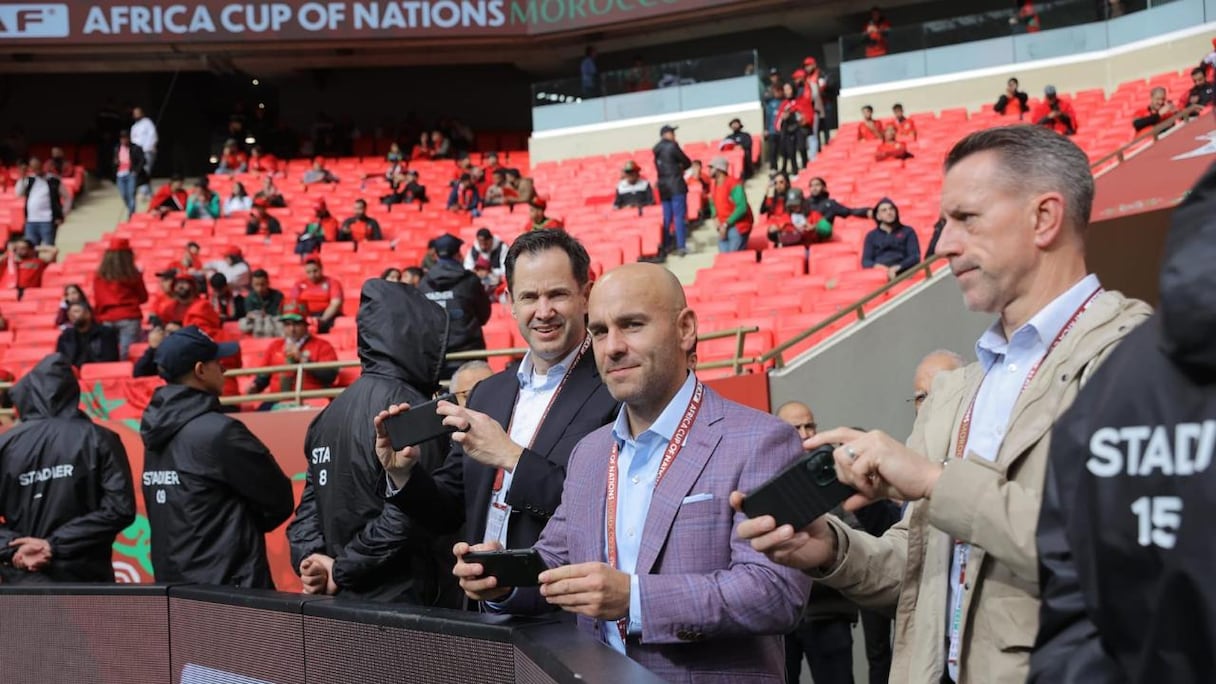
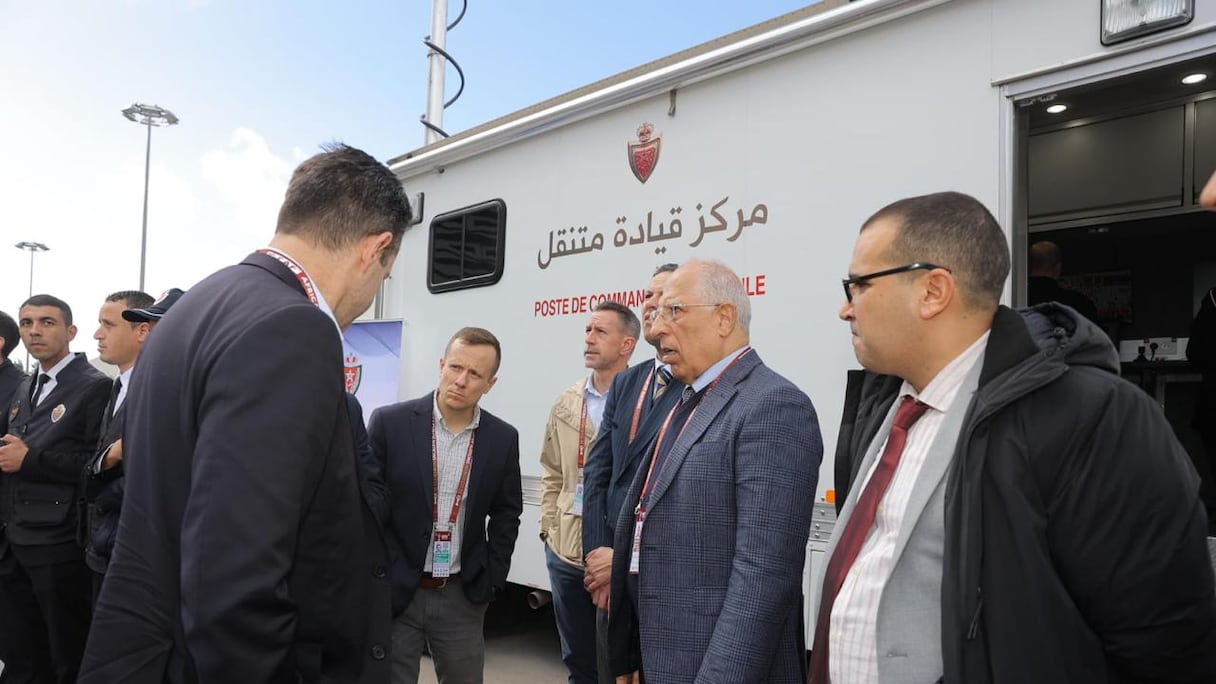
During the 2025 Africa Cup of Nations, an FBI delegation traveled to Rabat to study Morocco’s security protocols ahead of the 2026 FIFA World Cup. This expertise led to the formal inclusion of Moroccan security services in the task force established by U.S. President Donald Trump to coordinate security for the tournament.
“Today, it has become difficult to discuss international security without recognizing the exceptional nature of the Moroccan model,” the DGSN’s publication states.
Arab, African and Euro-Atlantic Cooperation
Within the Arab world, the DGSN contributes to the work of the Naif Arab University for Security Sciences (NAUSS), where Abdellatif Hammouchi serves on the university’s Supreme Council. Morocco’s ambition to build a regional security knowledge community, combining academic expertise, modern governance, and international standards, is reflected in the creation of the Higher Institute of Security Sciences in Ifrane.
Across Africa, South-South cooperation has expanded through various initiatives, including the training of police officers at the Royal Police Institute, the exchange of operational expertise, the signing of a strategic agreement with the Ethiopian Federal Police in 2025, and dozens of high-level bilateral meetings.
Relations with Euro-Atlantic partners—including Spain, France, Germany, the Netherlands, and the United Kingdom—have also remained strong. A visit by the Director General of the DGSN-DGST hub to Sweden resulted in the signing of a memorandum of understanding covering cybersecurity and emerging security technologies.
In 2025, the DGSN executed 120 international letters rogatory. Abdellatif Hammouchi was also awarded Spain’s Grand Cross of Merit and France’s Legion of Honour—distinctions which, according to the DGSN’s publication, “honor not only the man but also the institution he leads.”
Seventy Years of International Engagement
Morocco joined INTERPOL in 1957, just one year after the creation of the DGSN, demonstrating that “international openness has been part of the institution’s DNA since its inception,” as stated in the publication.
In November 2024, Mohammed Dkhissi, Director of the Judicial Police, was elected INTERPOL Vice-President for Africa during the 92nd INTERPOL General Assembly in Glasgow, with the backing of 96 member states.
One year later, in November 2025, Marrakech hosted the 93rd INTERPOL General Assembly, an event that brought together police chiefs from 196 countries. The publication described this as “an unprecedented event that further cemented the DGSN’s international standing.”
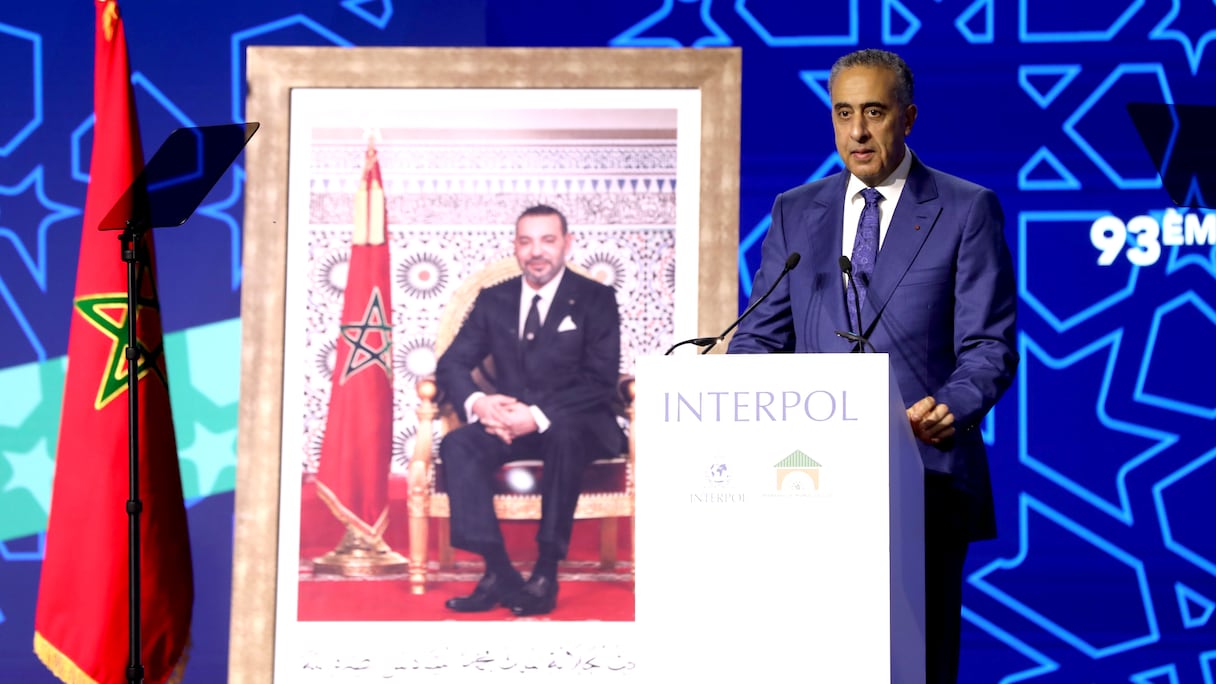
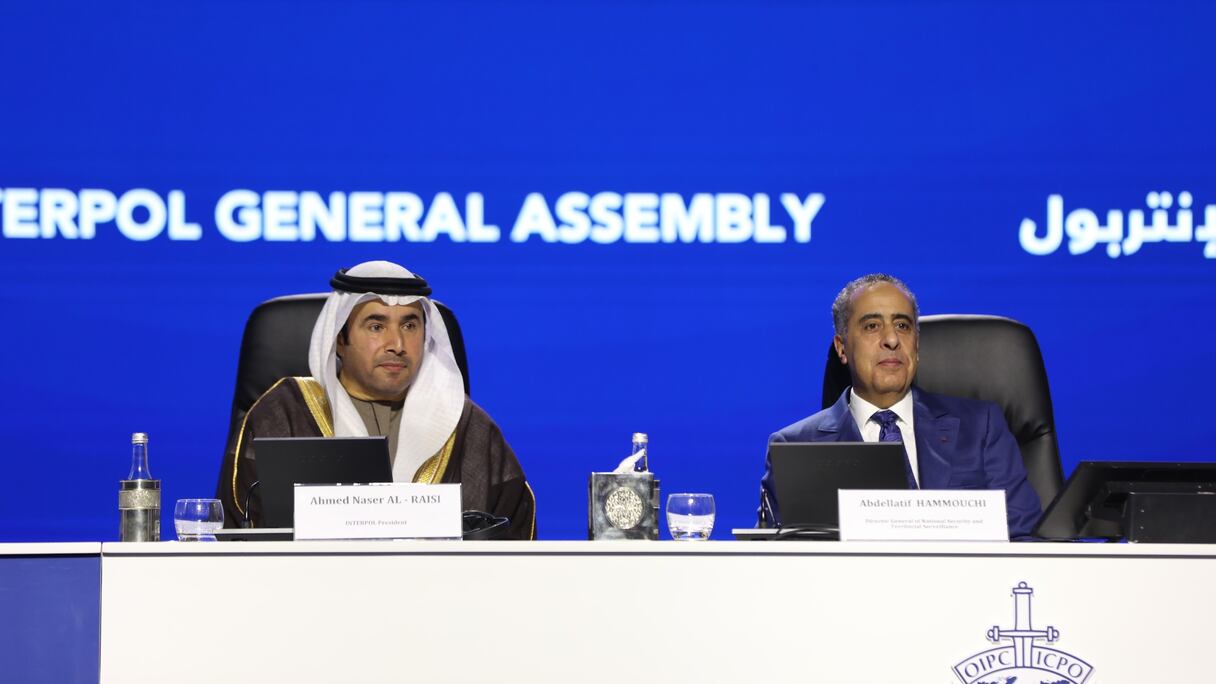

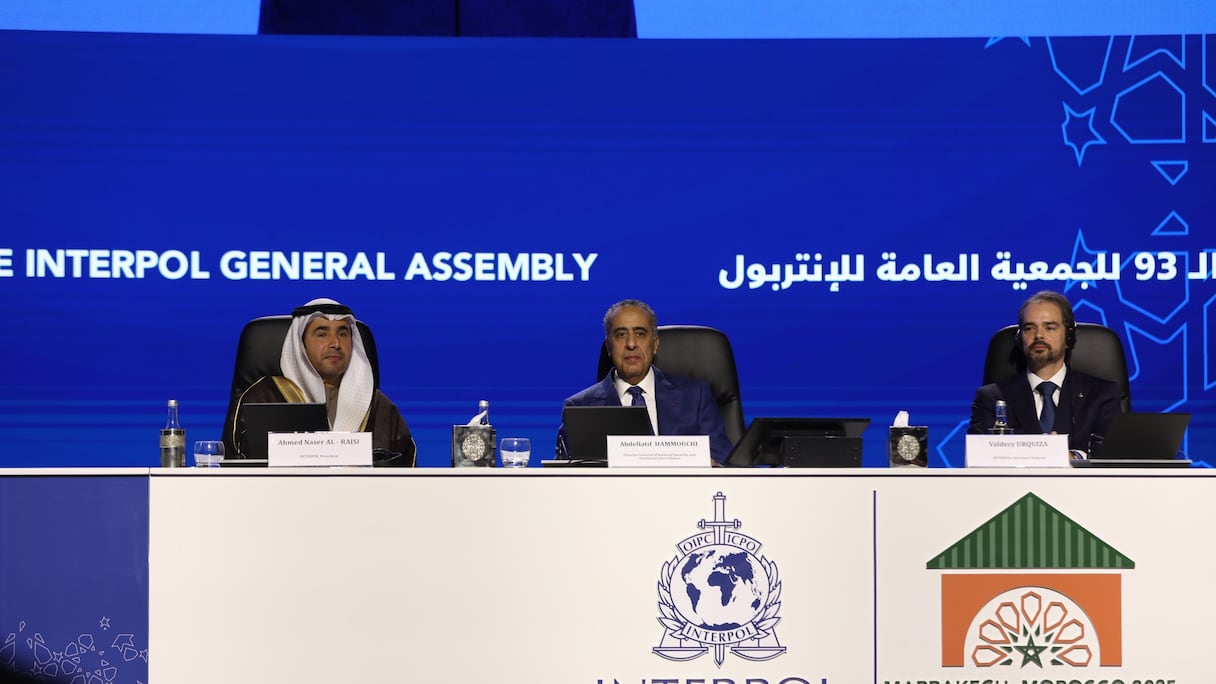

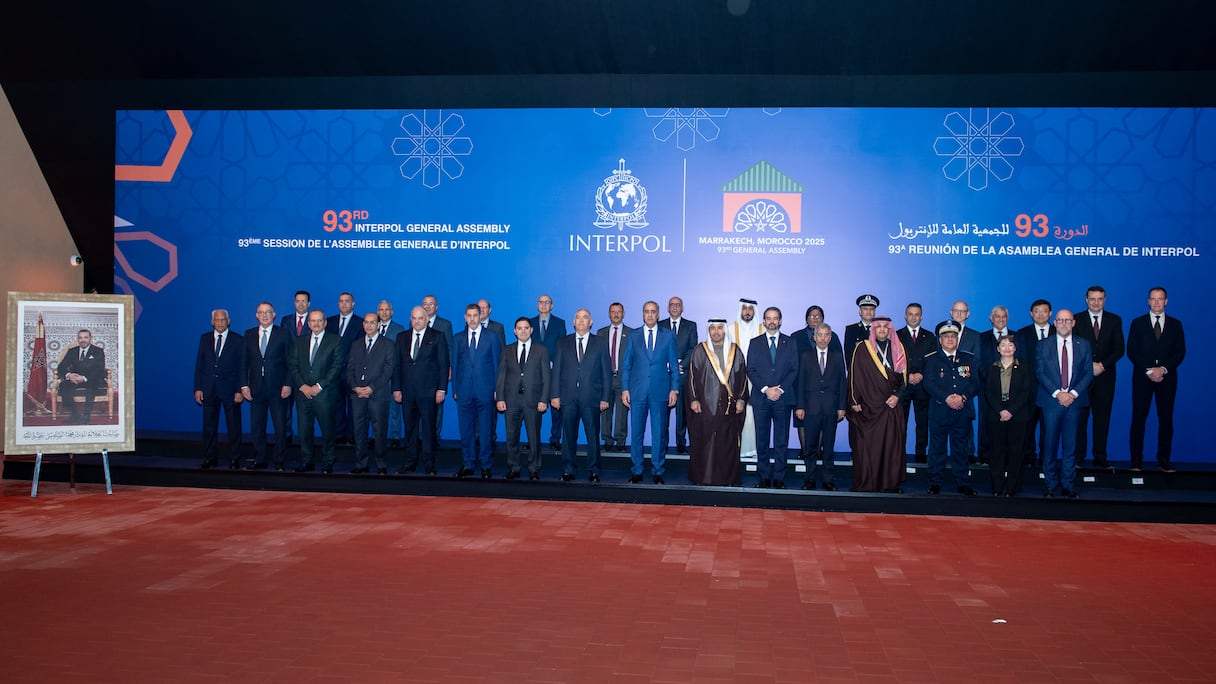


During the opening ceremony of the 93rd INTERPOL General Assembly on Monday, Nov. 24, 2025. (A. Gadrouz/Le360)
The achievements of the INTERPOL National Central Bureau (NCB) in Rabat further illustrate this growing international role. In 2025 alone, the bureau processed over 7,100 requests, resulting in the recovery of 395 stolen vehicles, the execution of 36 international extraditions, and the arrest of 57 fugitives wanted abroad. In 2024, Moroccan authorities arrested 135 internationally wanted individuals from 25 different nationalities within Moroccan territory.
